


Study on Rapeseed Albumin Hydrolysis by PrtS Protease from Streptococcus thermophilus and Bioactivity Characterization of Resulting Hydrolysates
- PMID: 40646987
- PMCID: PMC12249227
- DOI: 10.3390/foods14132235
Study on Rapeseed Albumin Hydrolysis by PrtS Protease from Streptococcus thermophilus and Bioactivity Characterization of Resulting Hydrolysates
Abstract
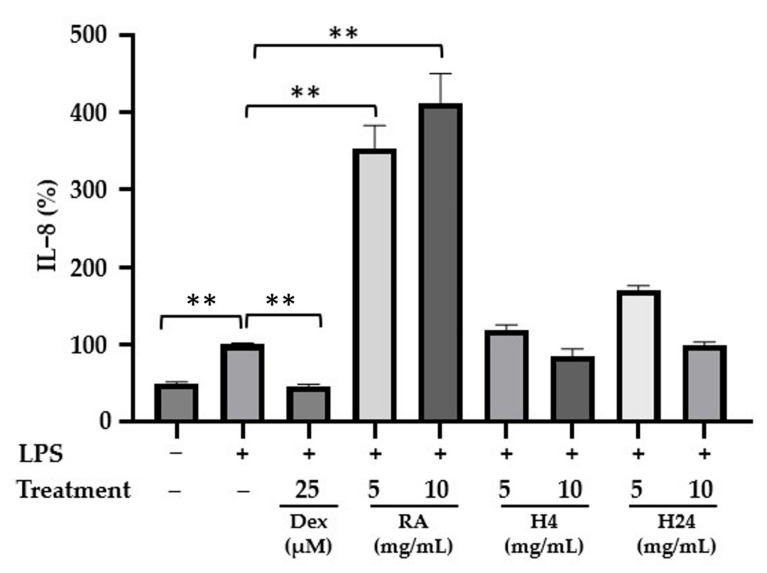
Lactic acid bacteria are well known for hydrolyzing milk proteins, but their application to plant proteins remains limited. This study evaluated the ability of the cell-wall-anchored PrtS protease from two Streptococcus thermophilus strains to hydrolyze rapeseed albumins (RAs), aiming to generate bioactive peptides with potential food functionality. The specific activity of PrtS was first determined using a chromogenic substrate. RAs were then hydrolyzed using 10X- and 100X-concentrated cell pellets of each strain to assess the hydrolysis kinetics and the enzymatic mechanism. The results showed concentration-dependent hydrolysis, with protein conversion and the degree of hydrolysis increasing threefold at 100X for both strains. Despite the increased hydrolysis, the peptides produced had similar average sizes, averaging at five amino acids, indicating a consistent "one-by-one" cleavage mechanism. The in vitro testing of the RA hydrolysates produced with 100X PrtS from S. thermophilus LMD-9 revealed dose-dependent antioxidant activity comparable to native RAs. Importantly, unlike native RAs, these hydrolysates did not induce increased secretion of the pro-inflammatory mediator IL-8 in inflamed HT-29 cells, suggesting a reduced pro-inflammatory potential. These findings demonstrate that PrtS protease from S. thermophilus can effectively hydrolyze rapeseed proteins to produce functional hydrolysates with improved bioactivity profiles. Such hydrolysates have promising applications as functional ingredients in plant-based food products, contributing both to health benefits and potential food preservation through antioxidant activity.
Keywords: PrtS protease; Streptococcus thermophilus; bioactivity; enzymatic hydrolysis; lactic acid bacteria; rapeseed albumins.
Conflict of interest statement
The authors declare no conflicts of interest.
Figures

References
-
- Venter de Villiers M., Cheng J., Truter L. The Shift Towards Plant-Based Lifestyles: Factors Driving Young Consumers’ Decisions to Choose Plant-Based Food Products. Sustainability. 2024;16:9022. doi: 10.3390/su16209022. - DOI
-
- Selinger E., Manuela N., Alina K., Jan G., Tilman K., Lukas S., Janett B., Schlesinger S. Evidence of A Vegan Diet for Health Benefits and Risks—An Umbrella Review of Meta-Analyses of Observational and Clinical Studies. Crit. Rev. Food Sci. Nutr. 2023;63:9926–9936. doi: 10.1080/10408398.2022.2075311. - DOI - PubMed
-
- Ashaolu T.J., Suttikhana I. Plant-Based Bioactive Peptides: A Review of Their Relevant Production Strategies, In Vivo Bioactivities, Action Mechanisms and Bioaccessibility. Int. J. Food Sci. Technol. 2023;58:2228–2235. doi: 10.1111/ijfs.16384. - DOI
LinkOut - more resources
Full Text Sources
