


Vaginal Adenocarcinoma: A Review of a Rare Gynecologic Cancer
- PMID: 40647429
- PMCID: PMC12249244
- DOI: 10.3390/cancers17132130
Vaginal Adenocarcinoma: A Review of a Rare Gynecologic Cancer
Abstract
Background/objectives: Vaginal adenocarcinoma is a rare malignancy, accounting for less than 10% of all primary vaginal cancers. It predominantly affects older women but can also occur in younger populations, particularly in association with in utero diethylstilbestrol (DES) exposure. Given its rarity, evidence regarding the optimal management of vaginal adenocarcinoma remains limited. This review aimed to summarize the current understanding of vaginal adenocarcinoma, covering the epidemiology, etiology, diagnostic approaches, treatment modalities, prognosis, and areas requiring further investigation thereof.
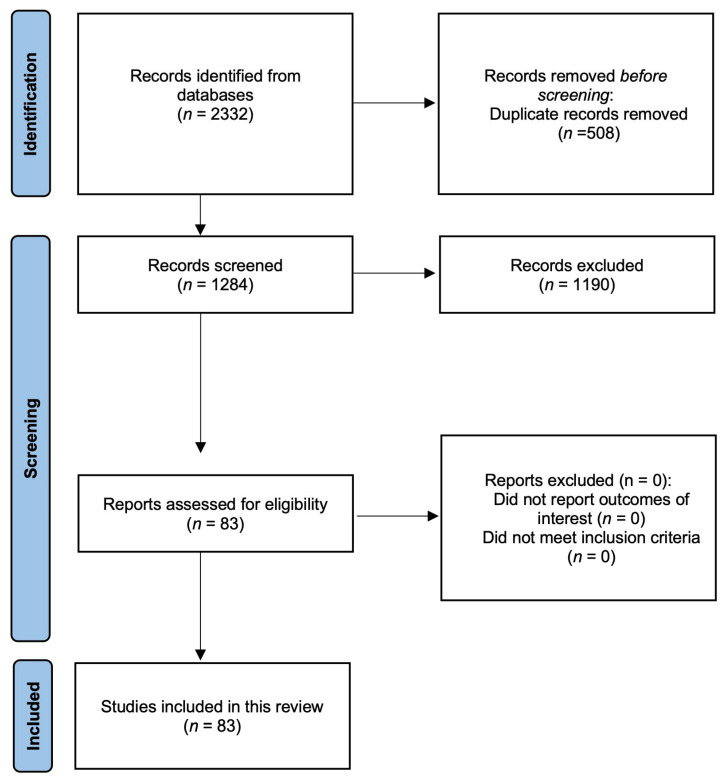
Methods: We conducted a search for the term "vaginal adenocarcinoma" in the PubMed, Scopus, and Web of Science databases from January 2016 to 28 April 2025.
Results: Overall, 83 articles were included in the final review. Among them, 21 cases of vaginal adenocarcinoma were reported. Vaginal adenocarcinoma demonstrates a bimodal age distribution, with clear cell histology commonly linked to DES exposure and endometrioid or mucinous types seen in older patients. Risk factors include DES exposure, chronic inflammation, and human papillomavirus (HPV) infection. The diagnosis relies on a pelvic examination, imaging, and biopsy. Treatment typically involves surgery, radiotherapy, or a combination thereof, tailored to the stage and location, with chemotherapy reserved for advanced cases. The prognosis depends on the histologic subtype, tumor size, stage, and treatment response, with early-stage disease generally associated with better outcomes.
Conclusions: Improved awareness of risk factors and early diagnostic strategies is critical to optimize patient outcomes. Research is needed to refine treatment protocols, explore targeted therapies and immunotherapy, and investigate the molecular underpinnings of vaginal adenocarcinoma, particularly non-DES-associated types.
Keywords: adenocarcinoma; cancer; immunotherapy; rare; treatment; vagina.
Conflict of interest statement
The authors declare no conflicts of interest.
Figures
References
Publication types
LinkOut - more resources
Full Text Sources
Miscellaneous
