


Integrating Clinical and Transcriptomic Profiles Associated with Vitamin D to Enhance Disease-Free Survival in Cervical Cancer Recurrence Using the CatBoost Algorithm
- PMID: 40647578
- PMCID: PMC12248449
- DOI: 10.3390/diagnostics15131579
Integrating Clinical and Transcriptomic Profiles Associated with Vitamin D to Enhance Disease-Free Survival in Cervical Cancer Recurrence Using the CatBoost Algorithm
Abstract
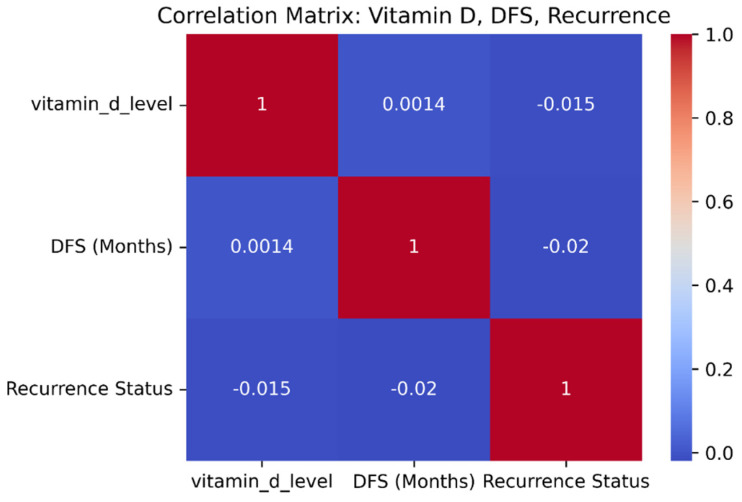
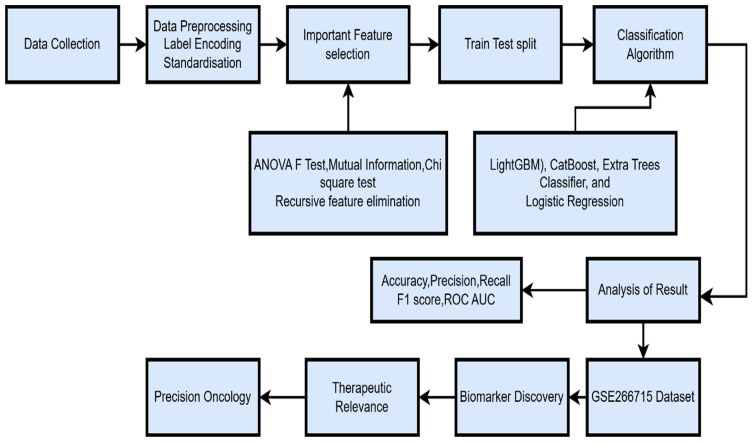
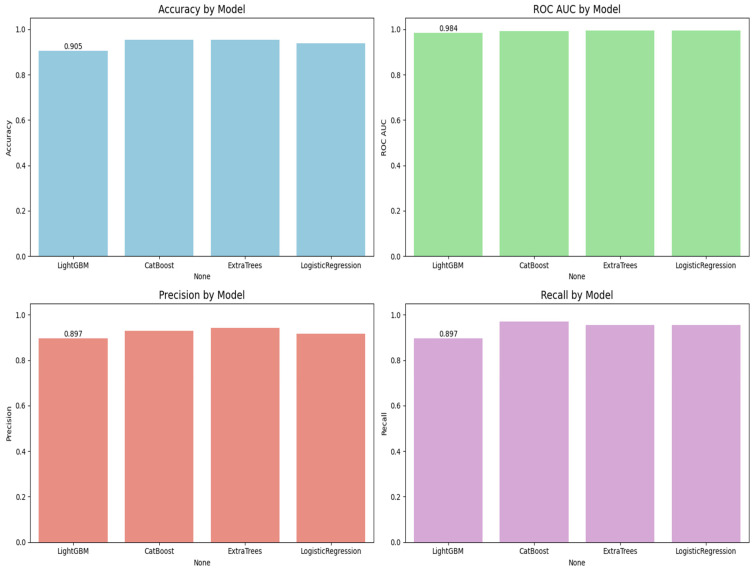
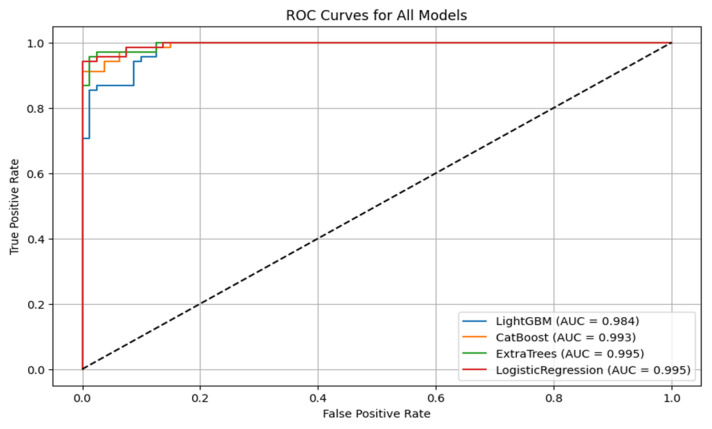
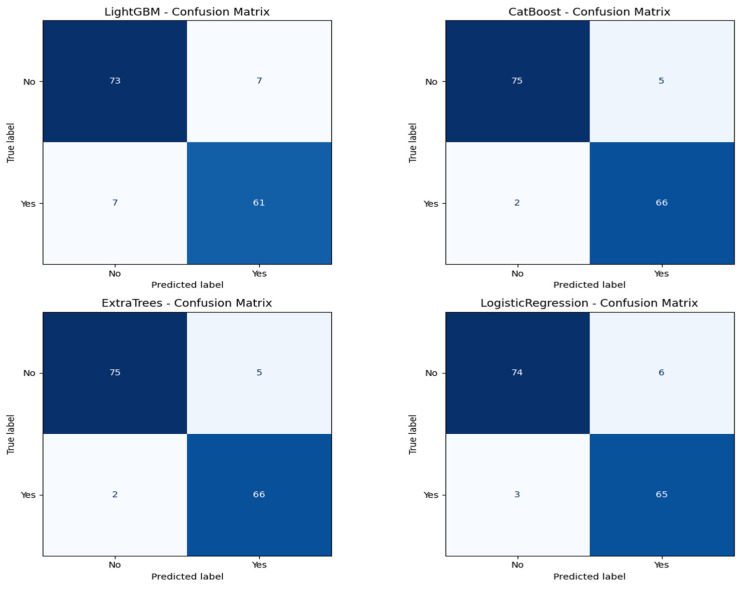
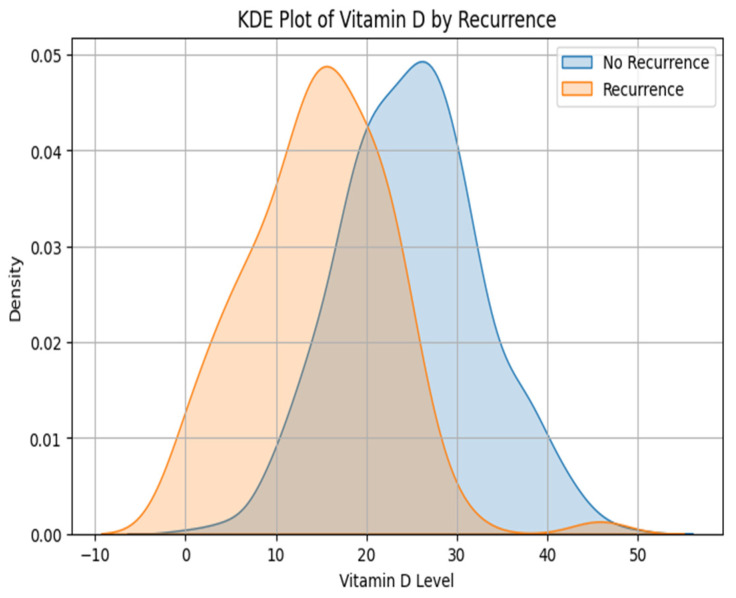
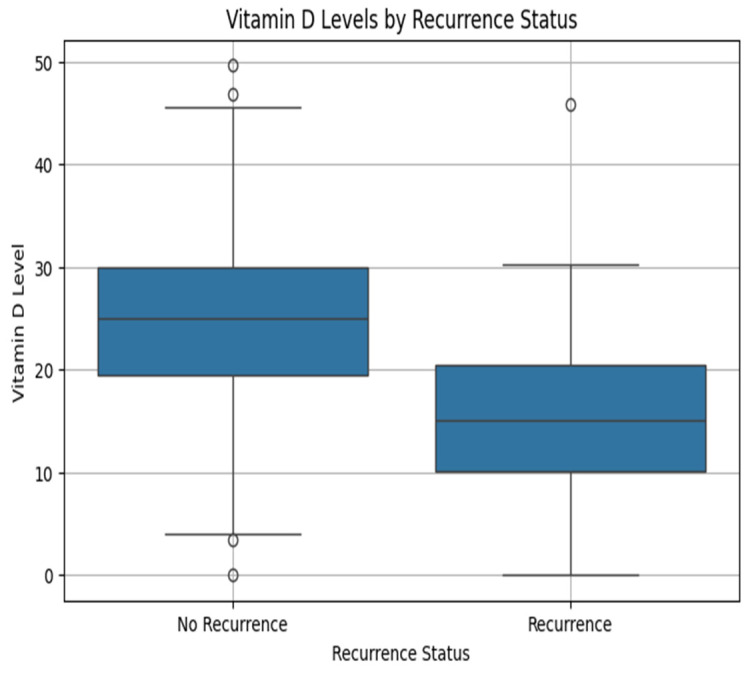
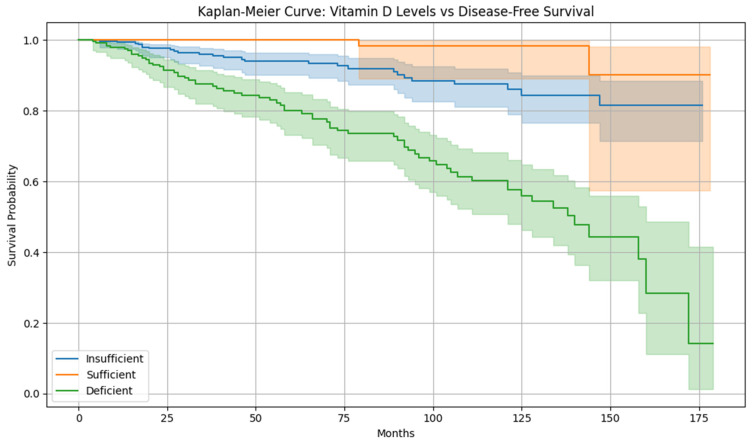
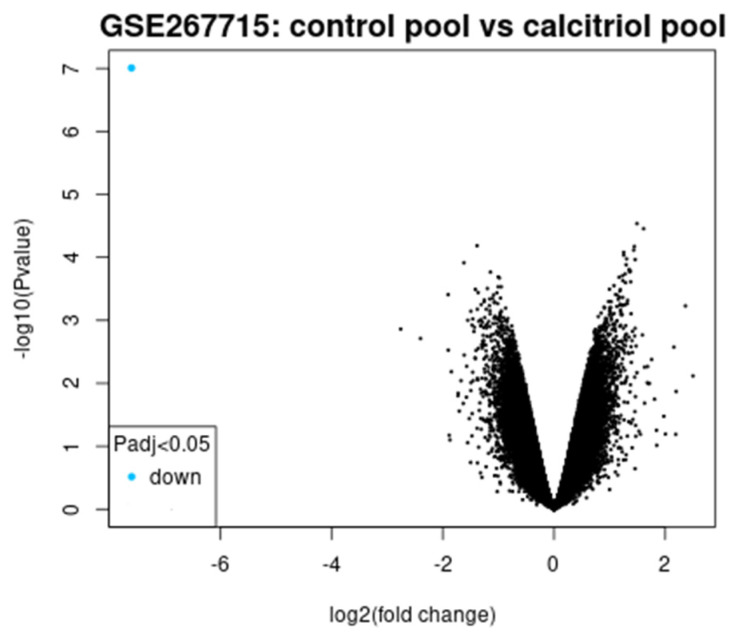
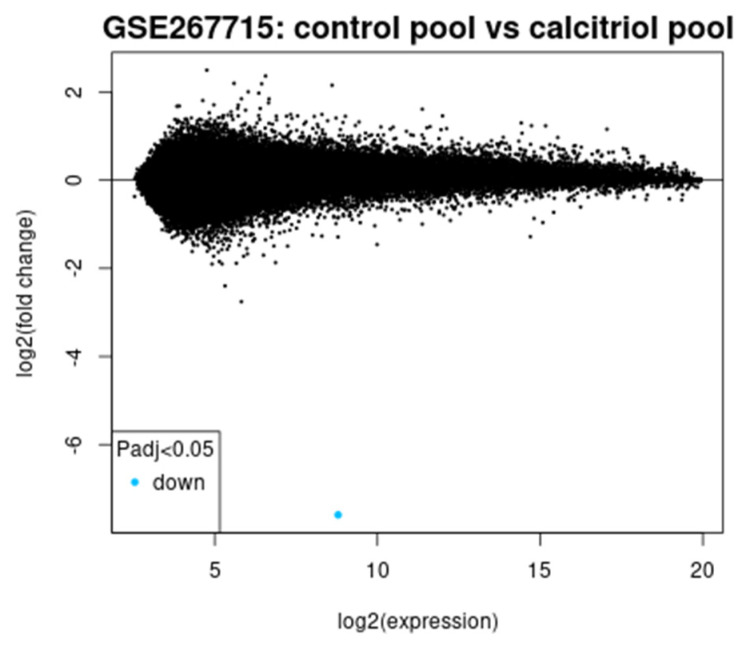
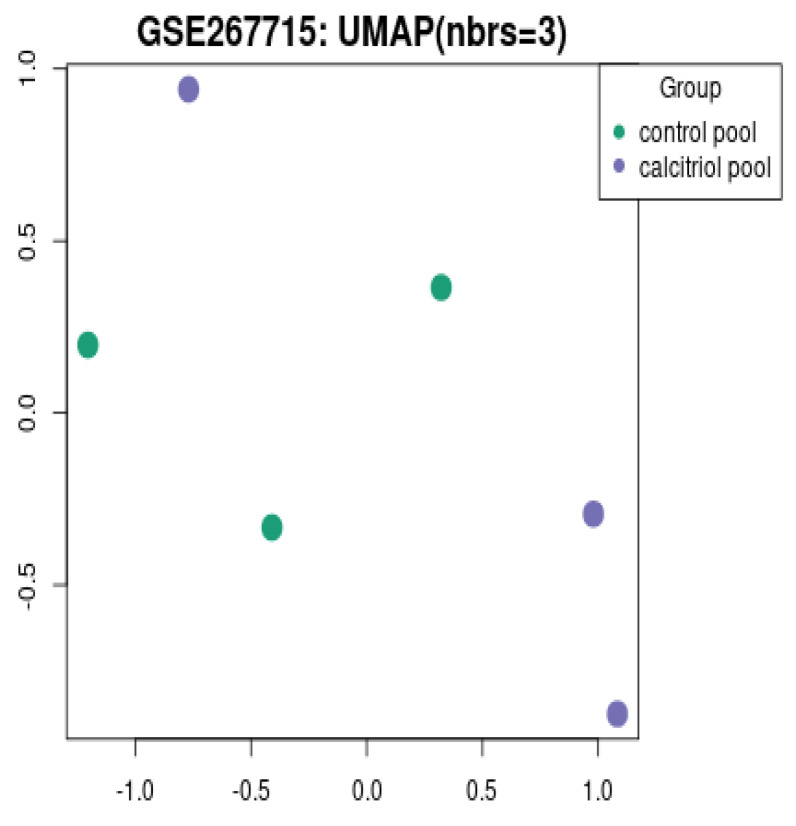
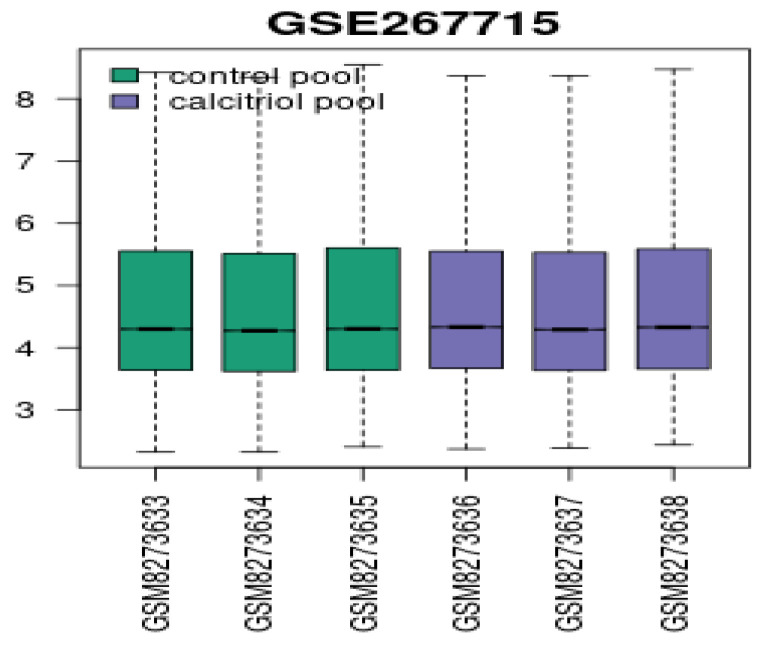
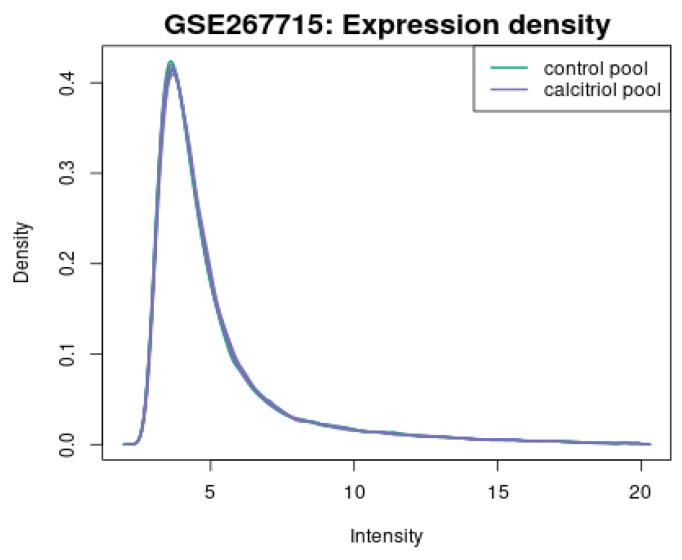
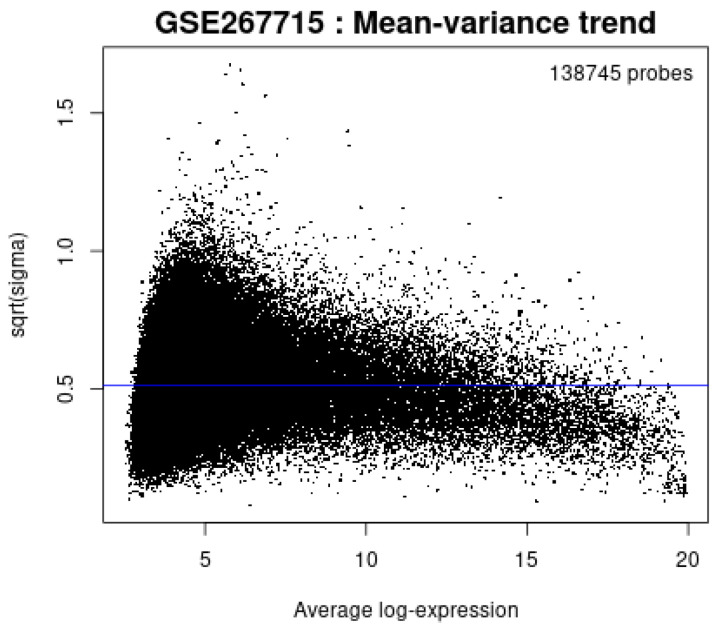
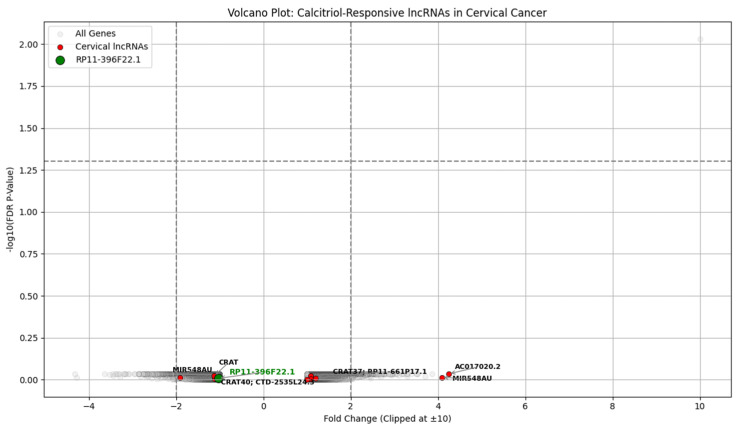
Background/Objectives: Cervical cancer is a leading cancer-related cause of death among women, with recurrence being a serious clinical issue. Recent evidence demonstrates that long non-coding RNAs (lncRNAs) affect cancer recurrence. This research investigates vitamin D's regulatory actions in the recurrence of cervical cancer, centering on the involvement of lncRNA. Clinical data on 738 patients shows that greater serum vitamin D levels are linked to reduced recurrence rates and enhanced disease-free survival (DFS). Methods: A transcriptomic analysis of CaSki cervical cancer cells using data from the GEO dataset GSE267715 identified that vitamin D controls genes that prevent cervical cancer recurrence. Machine learning predictors CatBoost, LightGBM, Extra Trees, and Logistic Regression and feature selection methods such as ANOVA F-test, mutual information, Chi-squared test, and Recursive Feature Elimination (RFE) are used to identify predictors of recurrence, evaluating model performance using accuracy, precision, recall, ROC AUC, confusion matrices, and ROC curves. Result: CatBoost performs the best overall, producing an accuracy of 95.27%. CatBoost provided an ROC AUC of 0.9930, a precision of 0.9296, and a recall of 0.9706, and this implies a significant trade-off between the ability to detect metastatic cases correctly. Conclusions: These data identify the therapeutic potential of vitamin D as a regulatory compound and lncRNA as a potential therapeutic target in the recurrence of cervical cancer.
Keywords: cervical cancer recurrence; disease-free survival; long non-coding RNA; machine learning predictors; vitamin D.
Conflict of interest statement
The authors declare no conflicts of interest.
Figures
References
-
- Singh D., Vignat J., Lorenzoni V., Eslahi M., Ginsburg O., Lauby-Secretan B., Arbyn M., Basu P., Bray F., Vaccarella S. Global estimates of incidence and mortality of cervical cancer in 2020: A baseline analysis of the WHO Global Cervical Cancer Elimination Initiative. Lancet Glob. Health. 2023;11:e197–e206. doi: 10.1016/S2214-109X(22)00501-0. - DOI - PMC - PubMed
Grants and funding
LinkOut - more resources
Full Text Sources
