


Microdosing with psychedelics to self-medicate for ADHD symptoms in adults: A prospective naturalistic study
- PMID: 40656221
- PMCID: PMC12244228
- DOI: 10.1016/j.nsa.2022.101012
Microdosing with psychedelics to self-medicate for ADHD symptoms in adults: A prospective naturalistic study
Abstract
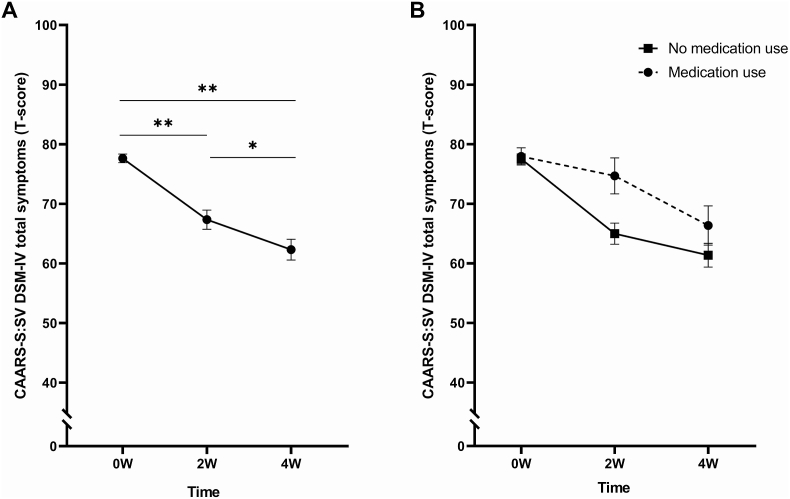
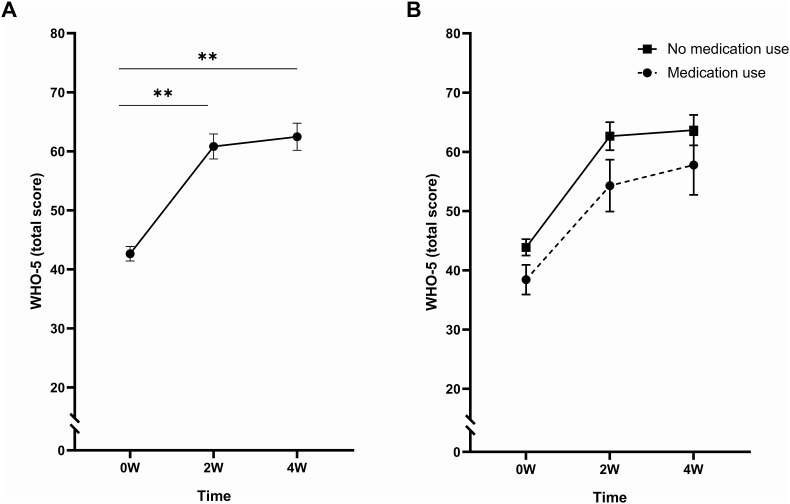
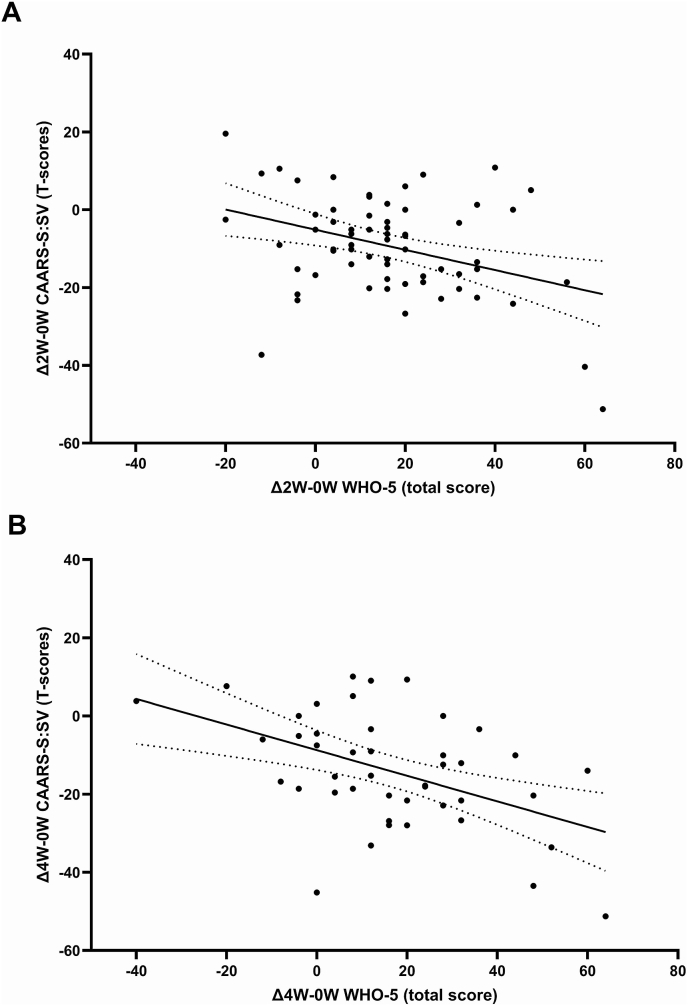
ADHD in adulthood is often overlooked, which negatively affects the individual's well-being. First-line pharmacological interventions are effective in many ADHD patients, relieving symptoms rapidly. However, there seems to be a proportion of individuals who discontinue, or fail to respond to these treatments. For these individuals, alternative treatment options should be explored. A retrospective survey study reported that using classic psychedelics in low, repeated doses, so called microdosing (MD), was rated as being more effective than conventional treatments for ADHD. The current prospective study aimed to measure the effect of MD on ADHD symptoms, well-being and time perception. Adults with ADHD who had the intention to start MD on their own initiative to self-treat their symptoms were measured before MD and two- and four weeks later. It was expected that ADHD symptoms would decrease, well-being would increase, and performance on a time perception task would improve after MD. It was investigated if conventional medication use alongside MD and comorbidities alongside ADHD influenced the effect of MD. Sample sizes included N=233, N=66, and N=47, respectively. The results showed decreases and increases in ADHD symptoms and well-being, respectively. No improved performance on a time perception task was found. Conventional medication use and having comorbidities did not change the effect of MD on ADHD symptomatology and well-being after four weeks of MD. Placebo-controlled experimental studies are needed to explore further whether there is a beneficial effect of MD for ADHD, beyond the placebo-effect.
Keywords: ADHD; Microdosing; Psychedelics; Self-medication; Time perception; Well-being.
© 2022 The Authors.
Conflict of interest statement
The authors declare the following financial interests/personal relationships which may be considered as potential competing interests: KPC Kuypers reports a relationship with Mind Medicine Inc. that includes: funding grants. KPC Kuypers reports a relationship with The Beckley Foundation that includes: funding grants.
Figures


References
-
- Adler L.A., et al. The reliability and validity of self-and investigator ratings of ADHD in adults. J. Atten. Disord. 2008;11(6):711–719. - PubMed
-
- Asherson P., et al. Adult attention-deficit hyperactivity disorder: key conceptual issues. Lancet Psychiatr. 2016;3(6):568–578. - PubMed
-
- Bejerot S., Rydén E.M., Arlinde C.M. Two-year outcome of treatment with central stimulant medication in adult attention-deficit/hyperactivity disorder: a prospective study. J. Clin. Psychiatr. 2010;71(12):1590–1597. - PubMed
LinkOut - more resources
Full Text Sources