


Copper death combination therapy: the innovative frontier and challenges in prostate cancer treatment
- PMID: 40660923
- PMCID: PMC12269702
- DOI: 10.1080/15384047.2025.2532224
Copper death combination therapy: the innovative frontier and challenges in prostate cancer treatment
Abstract
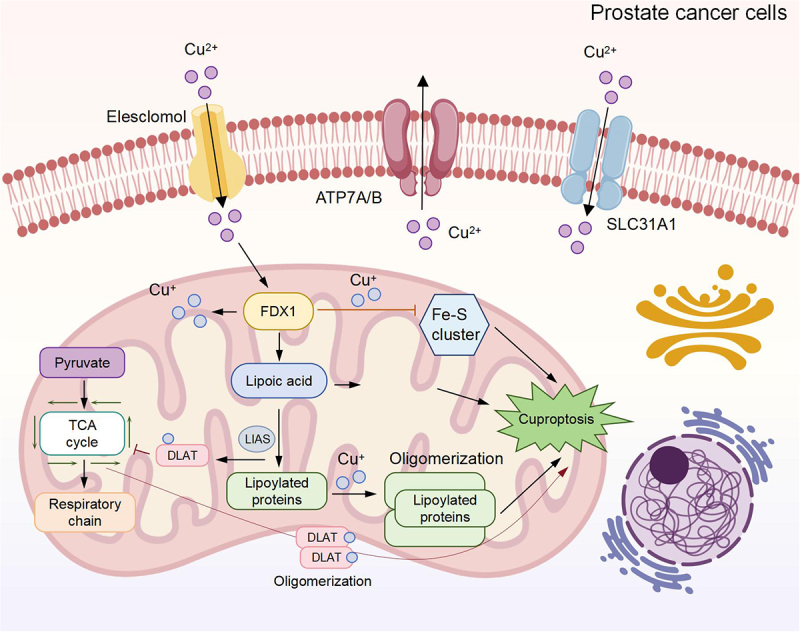
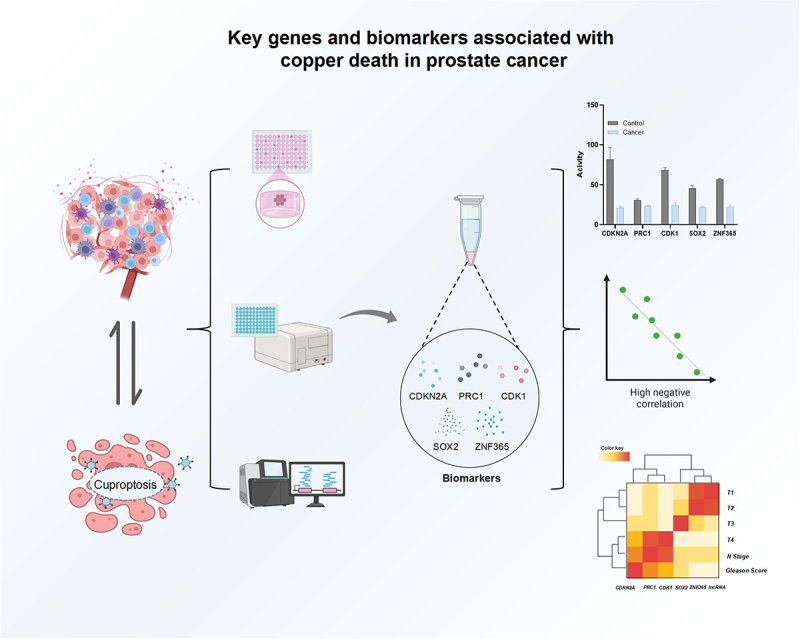
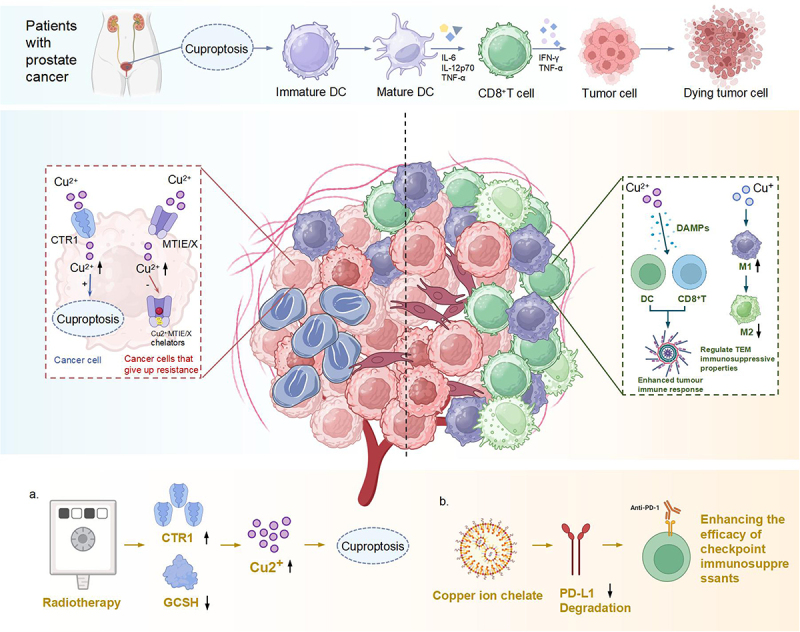
Prostate cancer (PCA) remains a significant health challenge, necessitating the exploration of novel therapeutic strategies to enhance patient outcomes. Recent research has identified cuproptosis, a copper-dependent programmed cell death mechanism, as a promising target in PCA treatment. Elevated copper levels have been associated with tumor progression and therapeutic resistance, highlighting the need for innovative approaches. This review synthesizes current findings on the role of copper and cuproptosis in PCA, focusing on the mechanisms underlying cuproptosis, the identification of key biomarkers, and the therapeutic potential of copper complexes and ionophores. The integration of cuproptosis-related biomarkers into clinical practice may facilitate personalized treatment strategies, while ongoing research into copper-based therapies holds promise for overcoming limitations of traditional chemotherapy. Future directions should emphasize elucidating the molecular mechanisms of cuproptosis and optimizing therapeutic applications to improve patient outcomes in PCA.
Keywords: Prostate cancer; androgen receptor; copper metabolism; drug resistance; therapeutic strategies.
Conflict of interest statement
The author hereby declares that there are no financial interests, personal relationships, or any other factors that could potentially undermine the objectivity and integrity of the research presented in this document.
Figures
References
Publication types
MeSH terms
Substances
LinkOut - more resources
Full Text Sources
Medical
