


Global epidemiological trends and burden of cervical and subcervical spinal cord injuries, 1990-2021: a multidimensional analysis using global burden of disease data
- PMID: 40665368
- PMCID: PMC12261722
- DOI: 10.1186/s13018-025-05985-9
Global epidemiological trends and burden of cervical and subcervical spinal cord injuries, 1990-2021: a multidimensional analysis using global burden of disease data
Abstract
Background: Cervical spinal cord injury (CSCI) and subcervical spinal cord injury (SSCI) cause substantial motor, sensory, and autonomic dysfunction, with traumatic and non-traumatic etiologies. CSCI (C1-C8) and SSCI (T1-L1) impose severe individual and societal burdens. This study assessed global trends in SCI incidence, prevalence, and years lived with disability (YLDs) from 1990 to 2021.
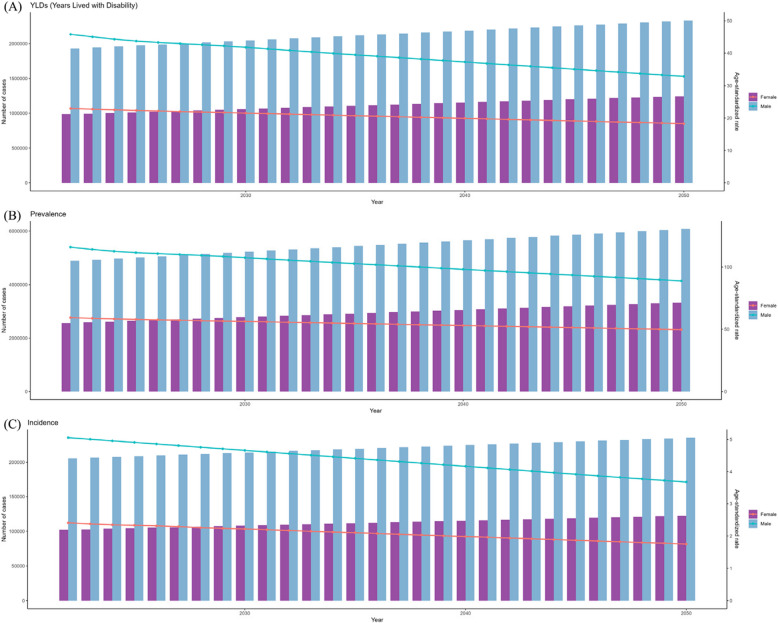
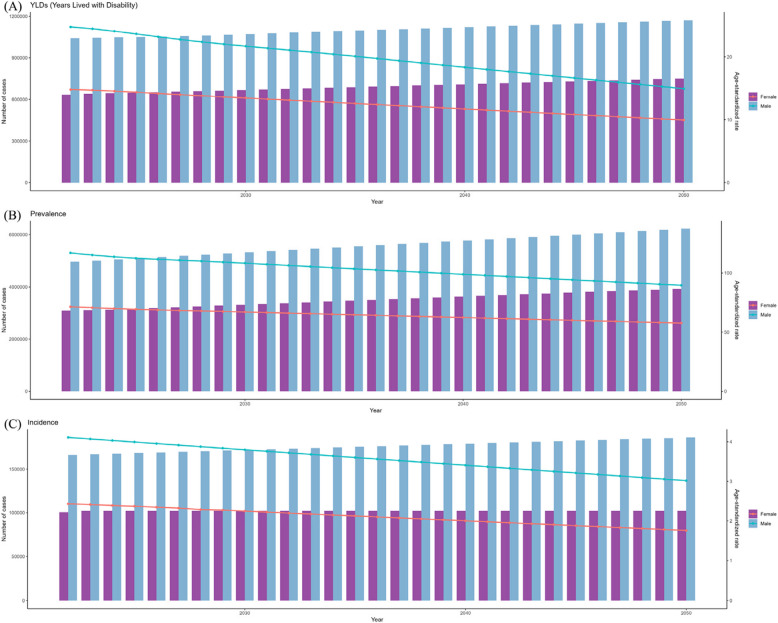
Methods: Data were drawn from the Global Burden of Disease (GBD) 2021 study. CSCI and SSCI cases were stratified by age, sex, and Socio-demographic Index (SDI). Age-standardized rates (ASR) and estimated annual percentage changes (EAPC) were calculated. Future trends (2022-2050) were projected using ARIMA modeling.
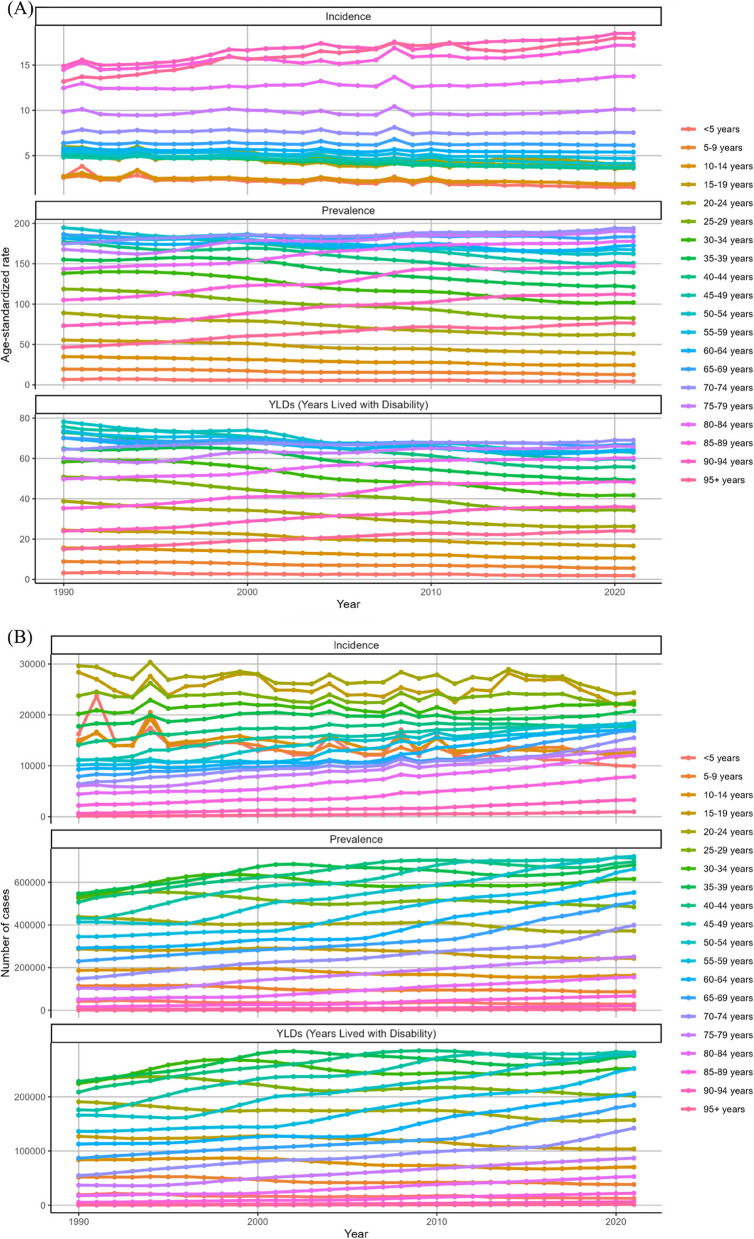
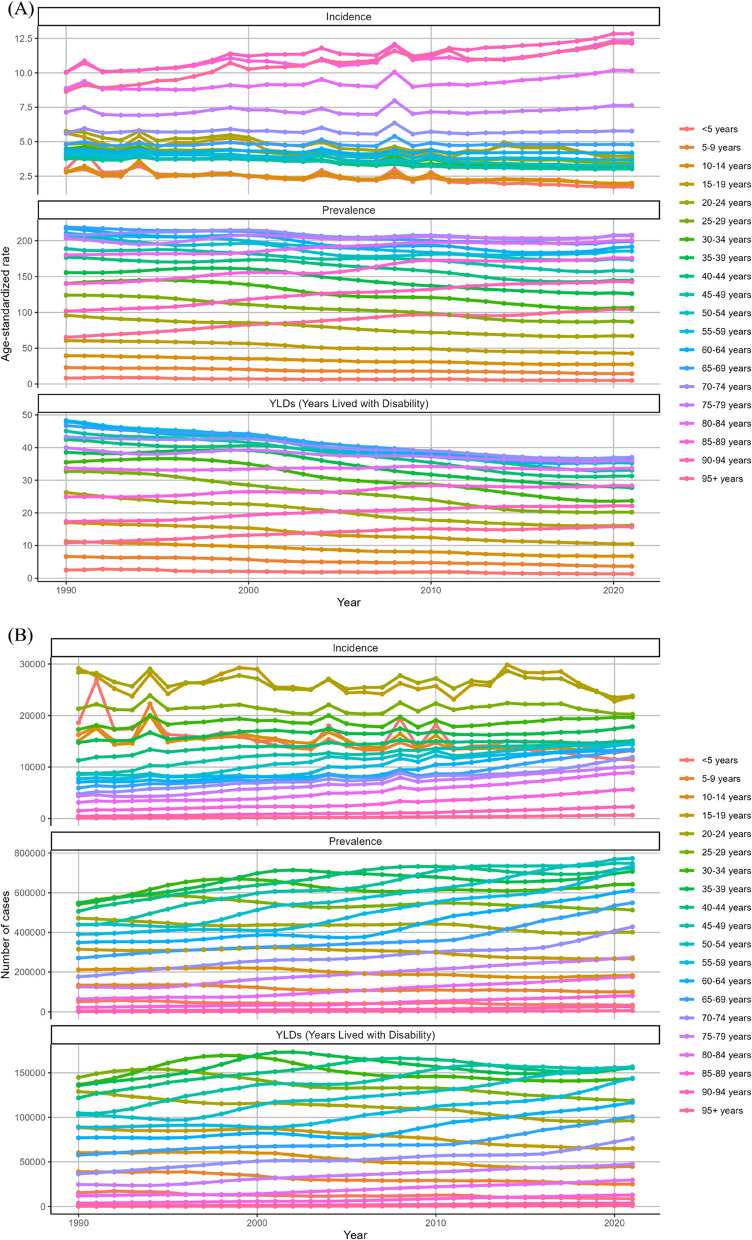
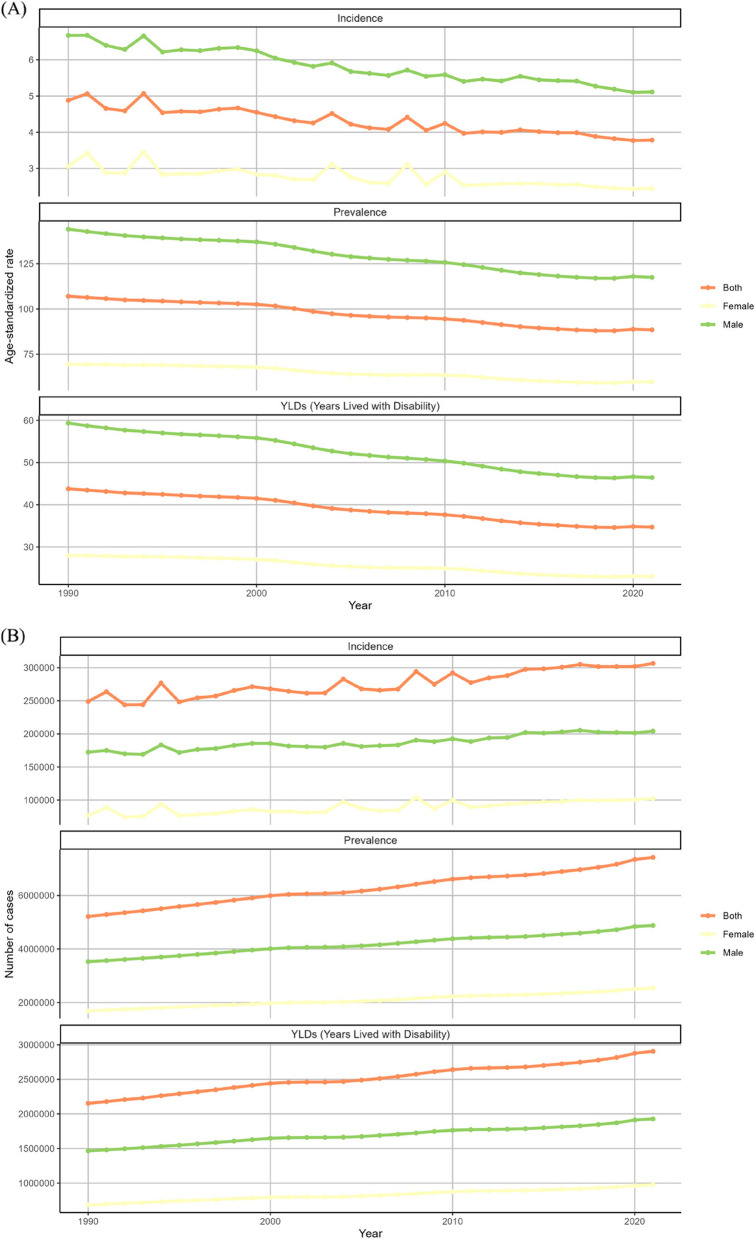
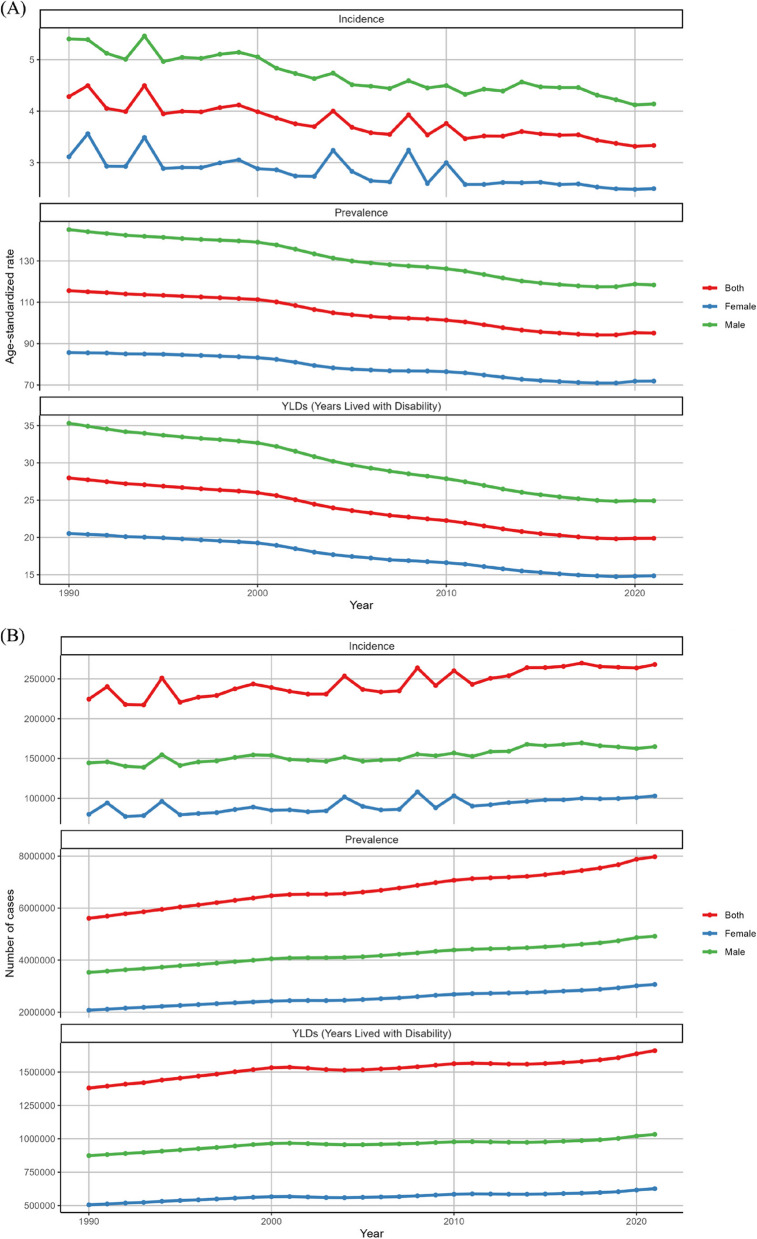
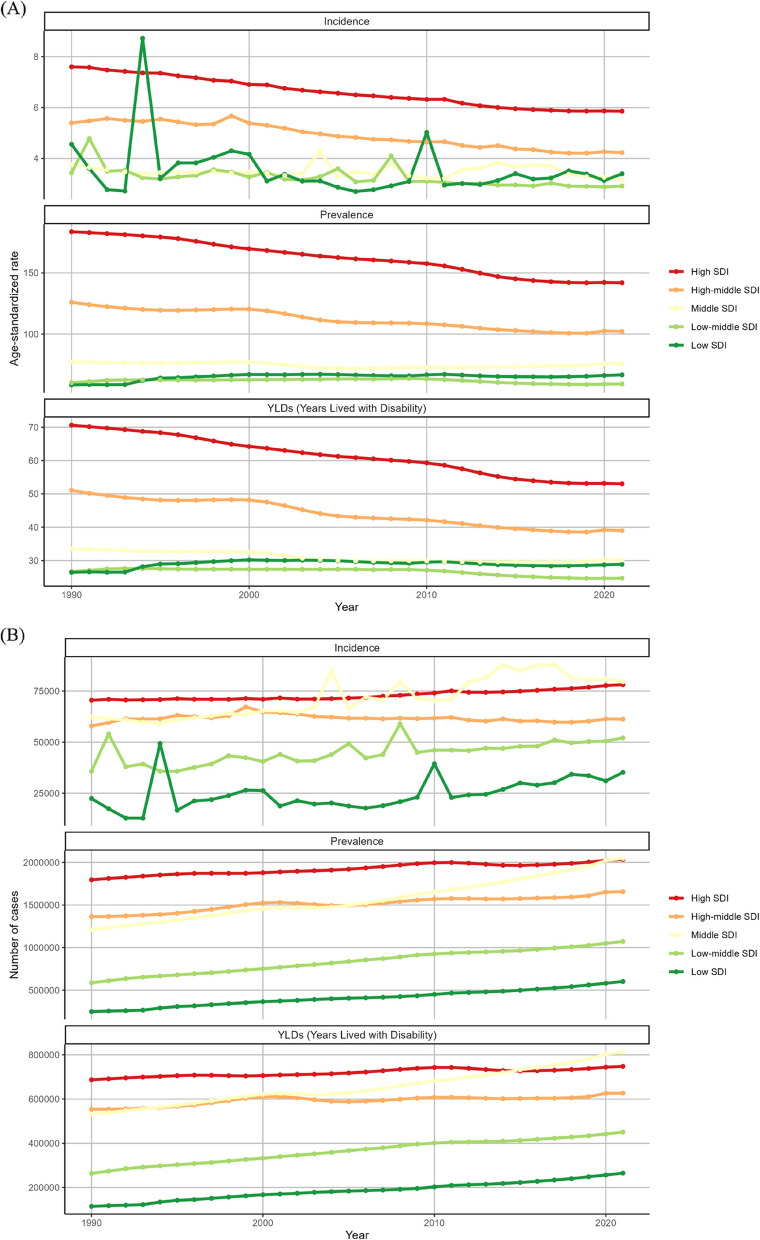
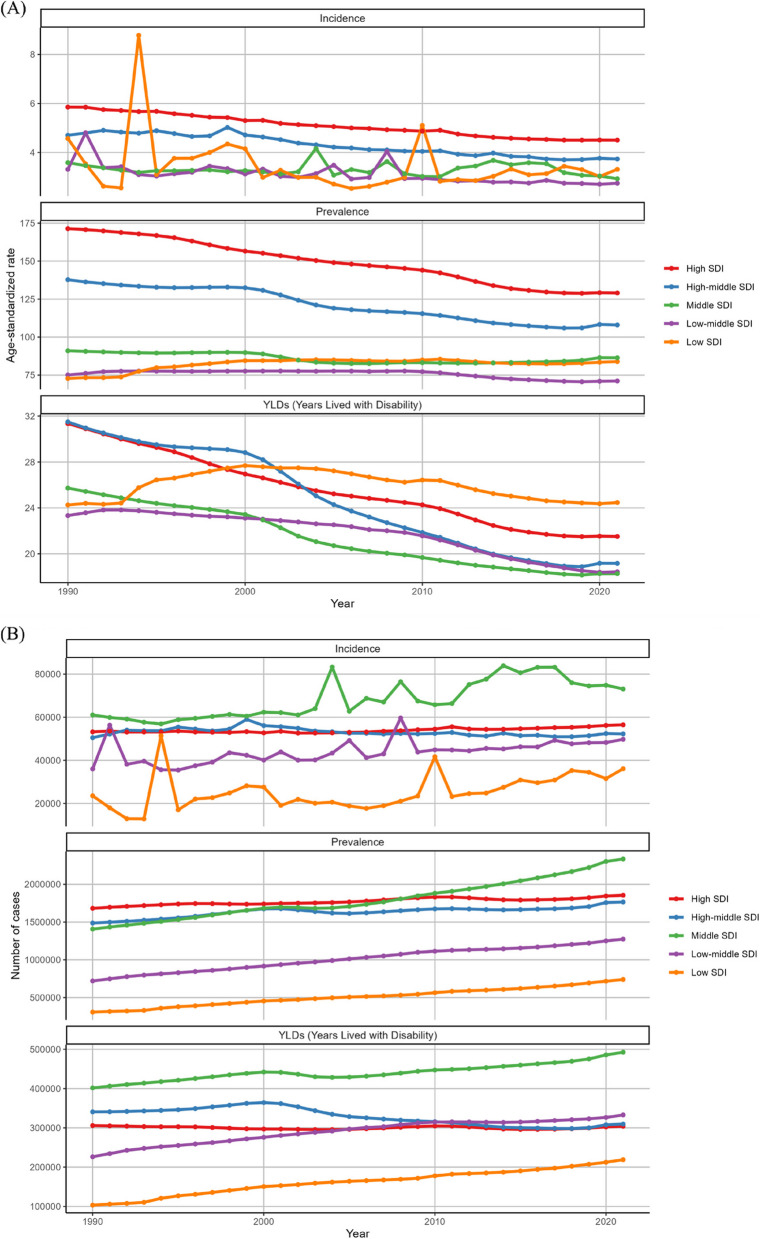
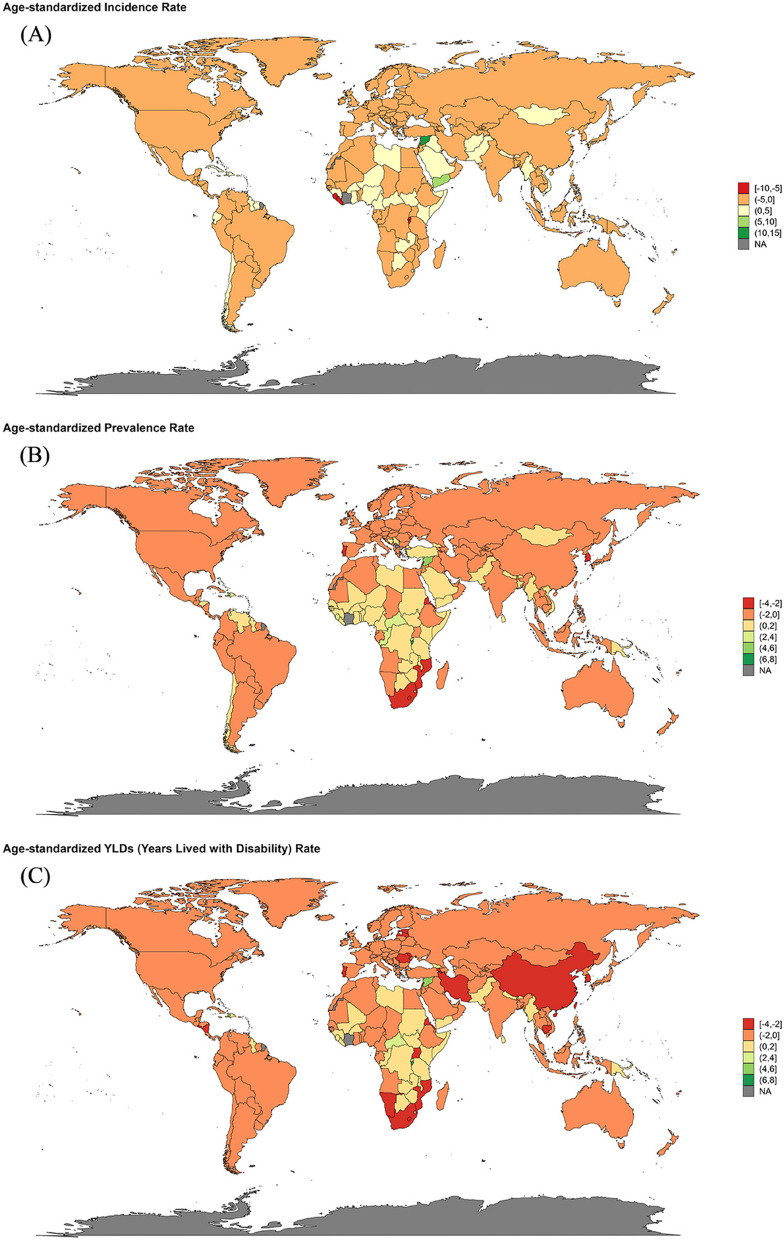
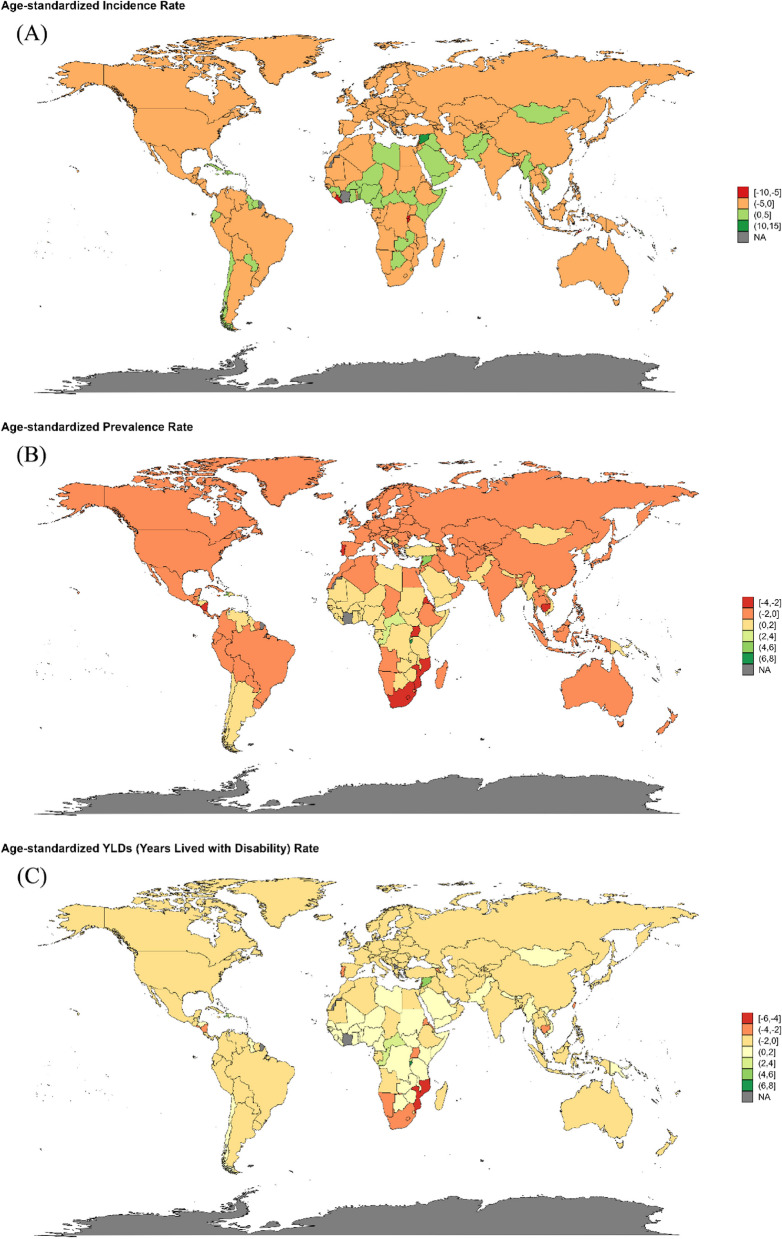
Results: Our analysis revealed clear age-related patterns in SCI burden. Both CSCI and SSCI incidence, prevalence, and YLDs increased with advancing age, with CSCI predominantly affecting middle-aged adults and SSCI rising significantly among the elderly. Males consistently showed higher rates of CSCI and SSCI across both injury types, and significant sex-based differences were observed in YLDs. High-SDI regions experienced gradual decreases in ASR for CSCI, while low-SDI regions exhibited rapid increases in YLDs associated with CSCI, indicating a disparity in healthcare resource allocation. The growth rate of CSCI and SSCI burden was notably higher in low and middle-SDI countries, particularly for SSCI.
Conclusion: Although the overall burden of CSCI and SSCI is stabilizing or declining in certain regions, the global YLDs continue to rise, driven by population aging and insufficient healthcare infrastructure in low-SDI regions. CSCI lead to greater disability, and persistent gender and regional disparities highlight the need for targeted, equitable prevention and rehabilitation strategies.
Keywords: Age-standardized rate; Cervical spinal cord injury; Global Burden of Disease; Socio-demographic index; Subcervical spinal cord injury; Years lived with disability.
© 2025. The Author(s).
Conflict of interest statement
Declarations. Ethics approval and consent to participate: The data from the GBD study, which were used in this analysis, are publicly accessible and have undergone de-identification, eliminating the necessity for ethical approval. Consent for publication: Not applicable. Competing interests: The authors declare no competing interests.
Figures
References
MeSH terms
LinkOut - more resources
Full Text Sources
Medical
