


Bioinformatic Analysis of WNT Family Proteins
- PMID: 40673210
- PMCID: PMC12264420
- DOI: 10.1177/11779322251353347
Bioinformatic Analysis of WNT Family Proteins
Abstract
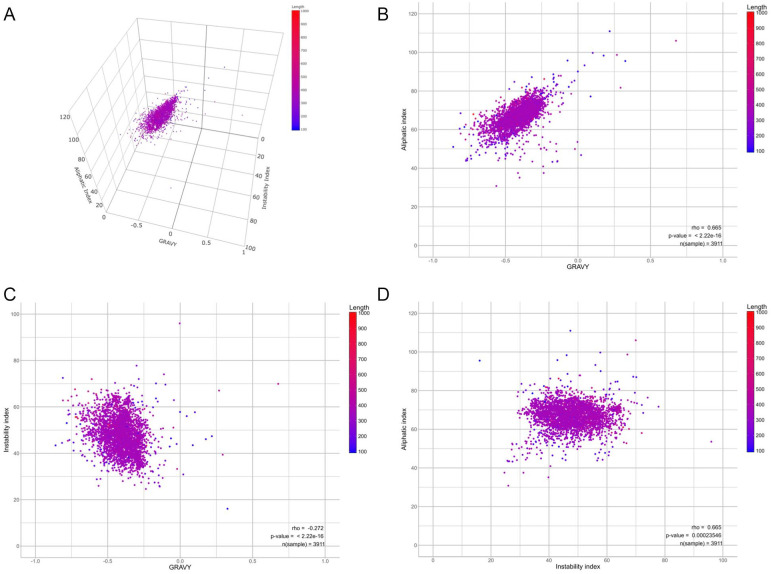
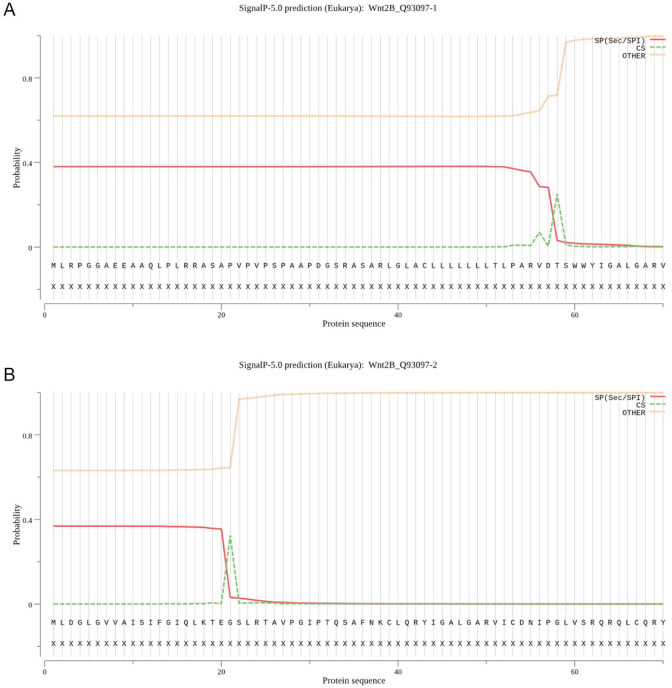
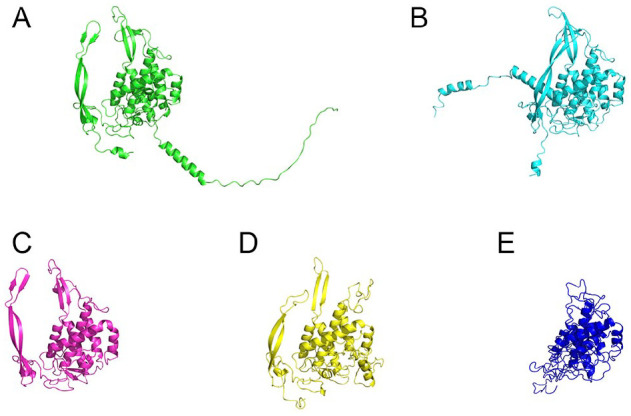
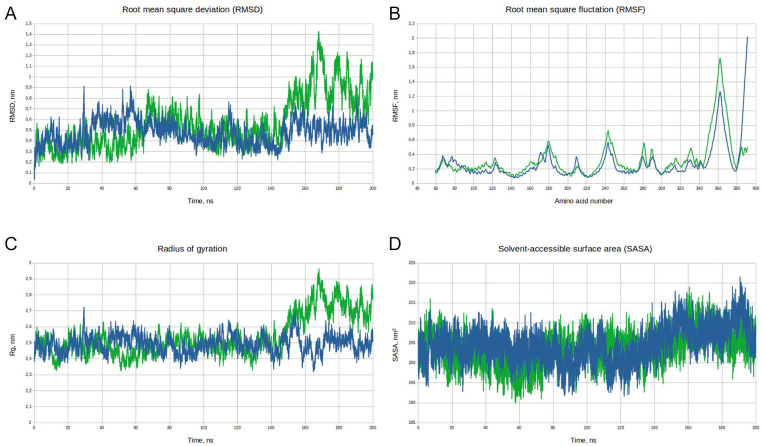
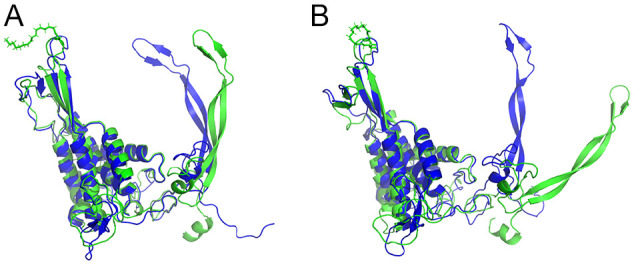
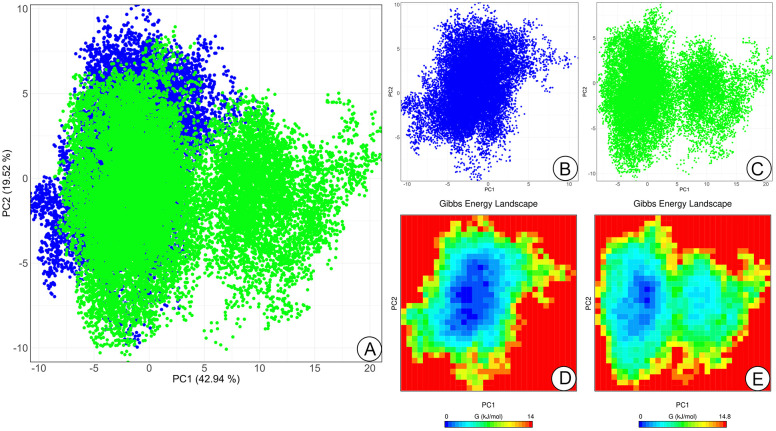
WNT proteins constitute a highly conserved family of signaling molecules that play an important role in regulating embryonic development and maintaining adult tissue homeostasis. Their diverse biological functions are mediated through multiple signaling pathways, including both canonical β-catenin-dependent and several non-canonical mechanisms. The regulatory activity of WNT proteins is closely linked to their unique structural organization, the presence of N-terminal signal peptides, and posttranslational modifications. In this study, in silico methods were used to analyze the structural features of WNT proteins. Specifically, the isoelectric points, GRAVY scores, aliphatic indices, and instability indices were determined, and correlation analysis was performed to examine relationships between the latter three parameters. In addition, the characteristics of N-terminal signal peptides in WNT family proteins were investigated, with a particular focus on the bioinformatic prediction of N-terminal peptide lengths in the WNT2B protein isoforms. Furthermore, in silico modeling and molecular dynamics simulations were employed to study the tertiary structure of WNT2B and to assess the significance of O-acylation at serine for the behavior of the mature protein in an aqueous environment. Thus, using computational approaches, new data were obtained on the structural features and dynamic properties of this group of regulatory proteins.
Keywords: WNT proteins; acylation; in silico analysis; molecular dynamics; posttranslational modifications; signal peptides.
© The Author(s) 2025.
Conflict of interest statement
The author(s) declared no potential conflicts of interest with respect to the research, authorship, and/or publication of this article.
Figures
References
LinkOut - more resources
Full Text Sources
