


Phytochemical profiling and anticancer potential of pistachio wastes against MCF-7 breast cancer cells: a metabolic and apoptotic pathway analysis
- PMID: 40676557
- PMCID: PMC12272975
- DOI: 10.1186/s12906-025-04963-2
Phytochemical profiling and anticancer potential of pistachio wastes against MCF-7 breast cancer cells: a metabolic and apoptotic pathway analysis
Abstract
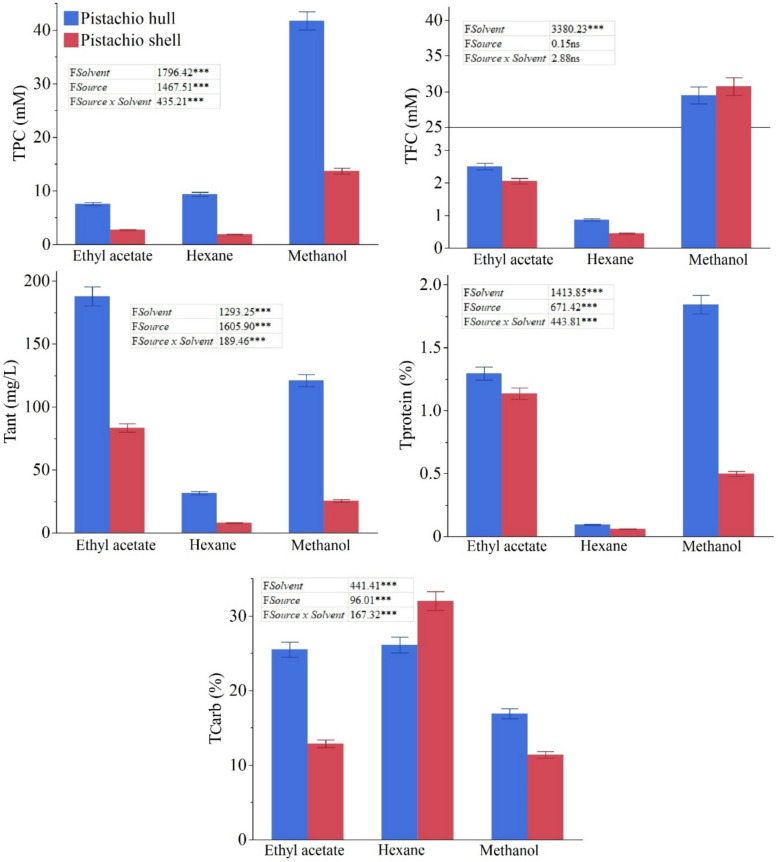
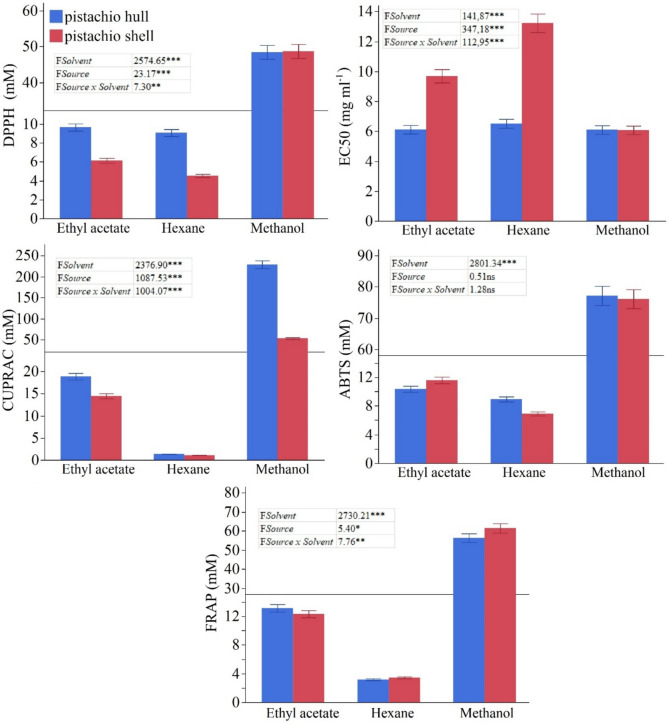
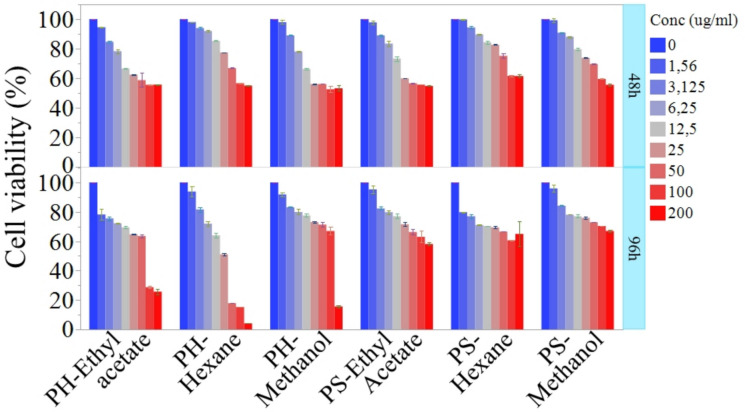
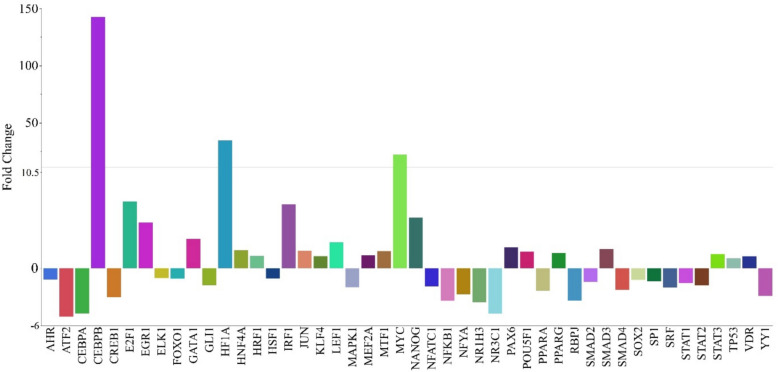
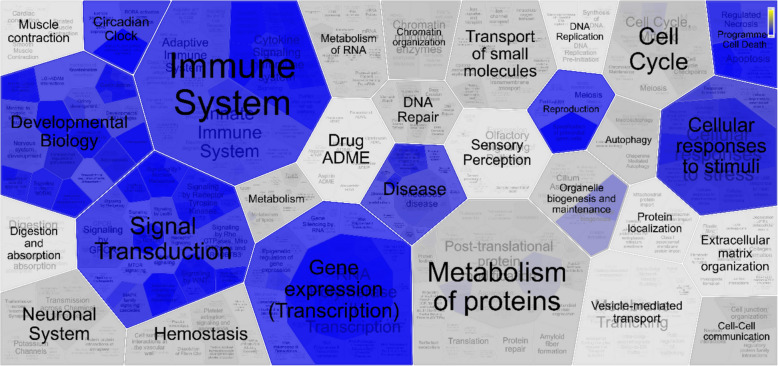
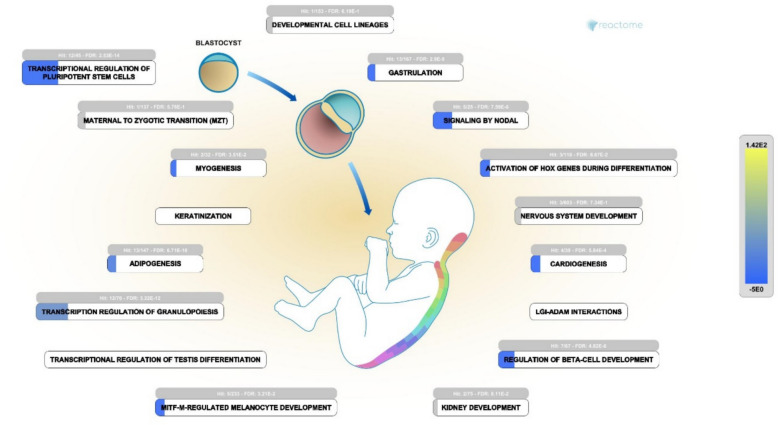
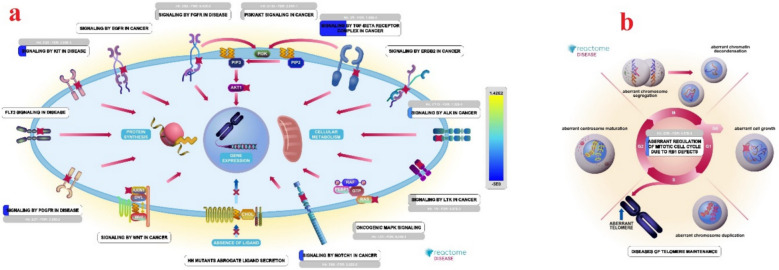
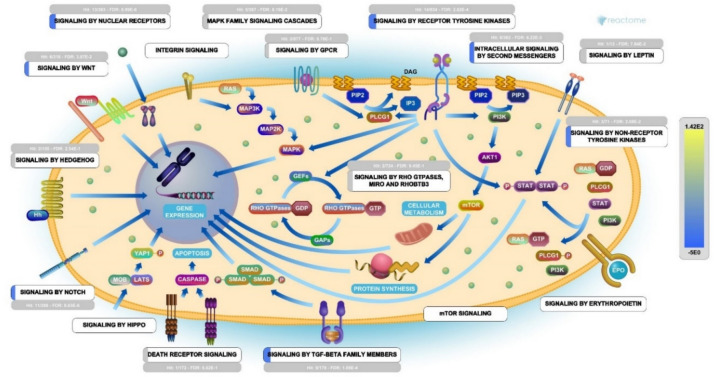
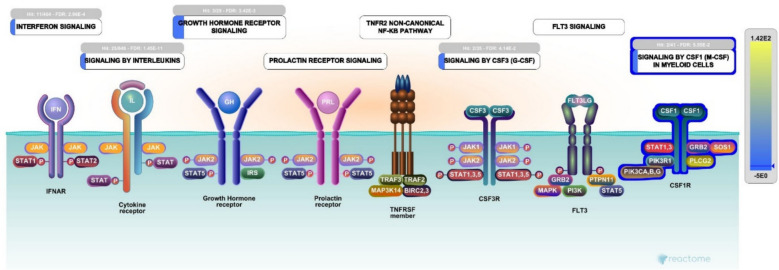
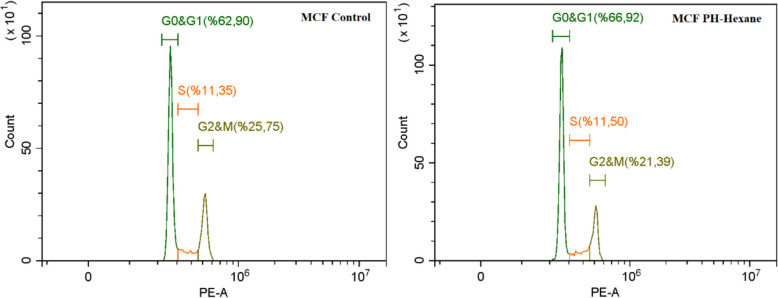
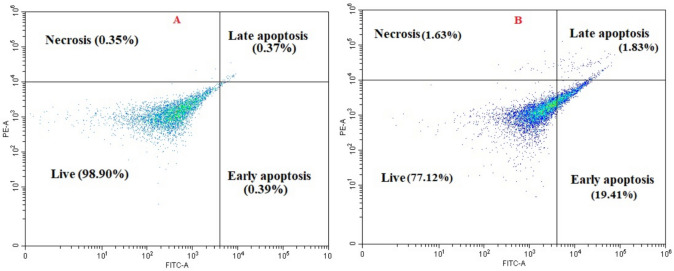
Food waste poses significant environmental, economic, and social challenges worldwide. Pistachio waste is recognized for its health benefits, particularly for its anticancer properties. This study assessed the phytochemical characteristics of pistachio hull (PH) and shell (PS) using various solvents (ethyl acetate, hexane, and methanol). Methanolic extracts showed substantially higher phenolic and flavonoid contents along with enhanced antioxidant activity across all tested methods, with PH consistently outperforming PS in antioxidant properties. Cell viability tests on MCF-7 cancer cells indicated that PH-Hexane had a slightly greater effect than PH-ethyl acetate and PH-methanol. Cell cycle analysis revealed a notable arrest in the G0/G1 phase compared to the control group. Additionally, PH-Hexane treatment resulted in 21.24% apoptosis, primarily early apoptosis at 19.41%. The pathway analysis involving 46 genes revealed that PH-Hexane induces apoptosis in MCF-7 cancer cells by modulating several metabolic pathways, particularly those associated with the immune system, developmental biology, signal transduction, and cellular responses to stimuli. This induction was characterized by the substantial upregulation of the CEBPB, HIF1A, and MYC genes and the significant downregulation of ATF2, CEBPA, and NR3C1 genes. The findings of this study indicate that the hexane extract derived from high-oil-content wastes has potential as an anticancer agent. Future research on oil-rich plant-based wastes should consider utilizing hexane as a solvent for further exploration of anticancer properties.
Keywords: Anticancer; Antioxidants; Flavonoids; Food supplements; Pistachio; Waste valorization.
© 2025. The Author(s).
Conflict of interest statement
Declarations. Ethics approval and consent to participate: This study does not involve any human or animal testing. The figures created by Reactome were used in line with their policies. Written informed consent was obtained from all study participants. Competing interests: The authors declare no competing interests.
Figures
References
-
- Aramyan L, Grainger M, Logatcheva K, Piras S, Setti M, Stewart G, Vittuari M. Food waste reduction in supply chains through innovations: a review. Meas Bus Exc. 2021;25(4):475–92.
-
- Onyeaka H, Tamasiga P, Nwauzoma UM, Miri T, Juliet UC, Nwaiwu O, Akinsemolu AA. Using artificial intelligence to tackle food waste and enhance the circular economy: maximising resource efficiency and minimising environmental impact: a review. Sustainability. 2023;15(13):10482.
-
- Ungureanu G, Ignat G, Vintu CR, Diaconu DC, Sandu IG. Study of utilization of agricultural waste as environmental issue in Romania. Rev Chim. 2017. 10.37358/rc.17.3.5503.
MeSH terms
Substances
LinkOut - more resources
Full Text Sources
Medical
