


c-Myc promotes metabolic reprogramming in pulmonary hypertension via the stimulation of glutaminolysis and the reductive tricarboxylic acid cycle
- PMID: 40680382
- PMCID: PMC12284298
- DOI: 10.1016/j.redox.2025.103765
c-Myc promotes metabolic reprogramming in pulmonary hypertension via the stimulation of glutaminolysis and the reductive tricarboxylic acid cycle
Abstract
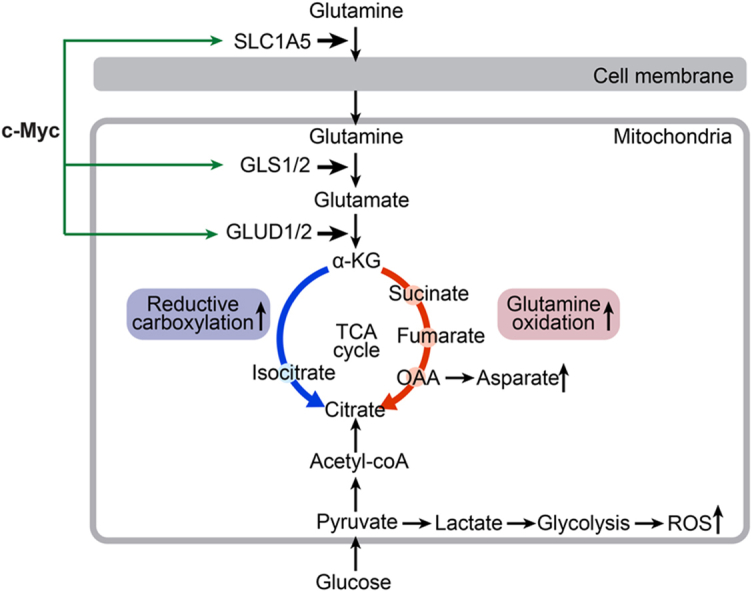
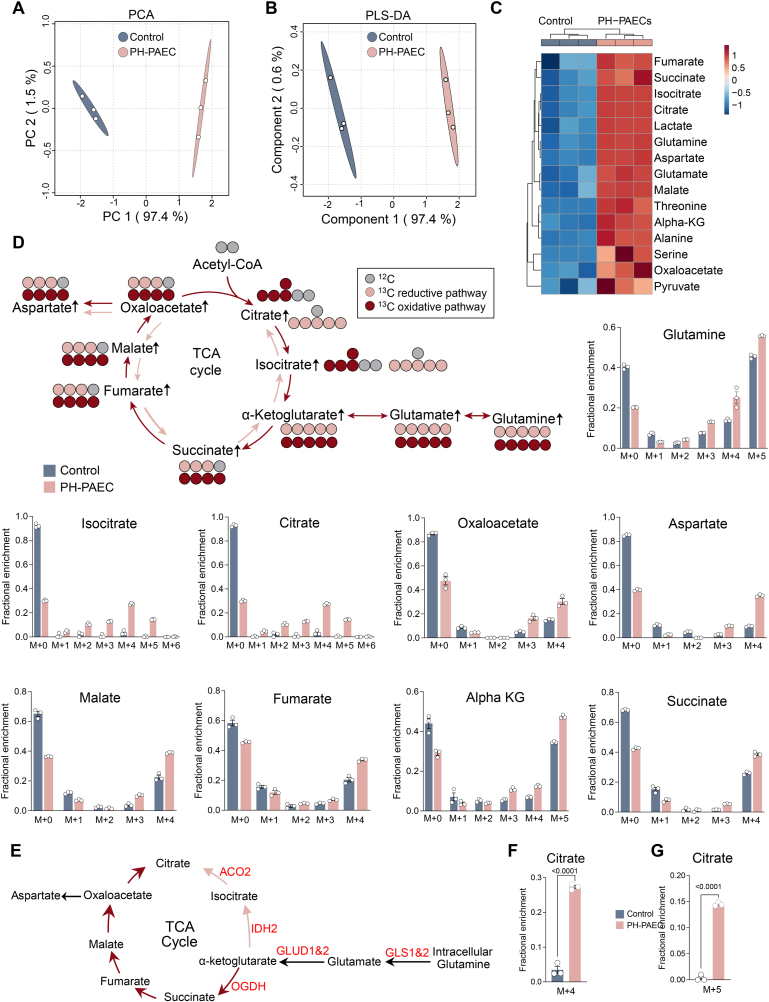
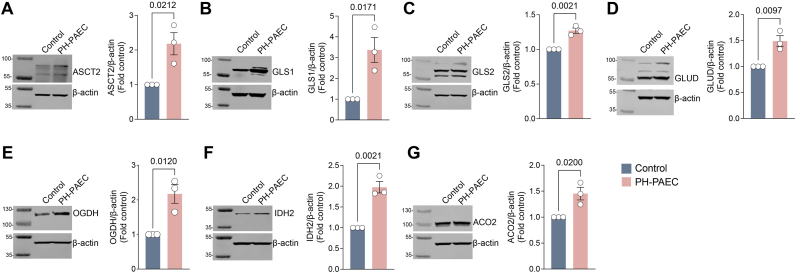
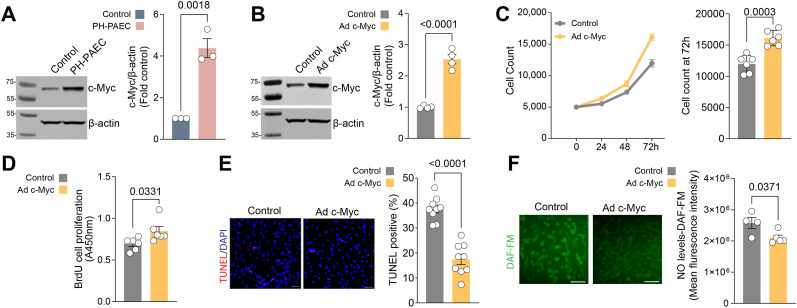
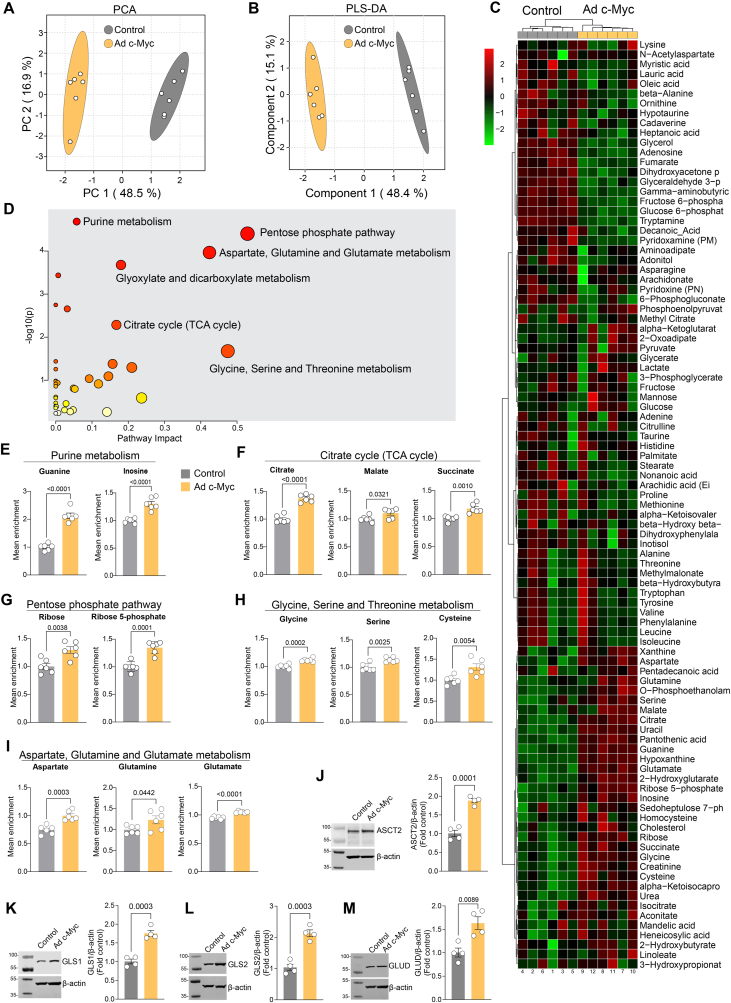
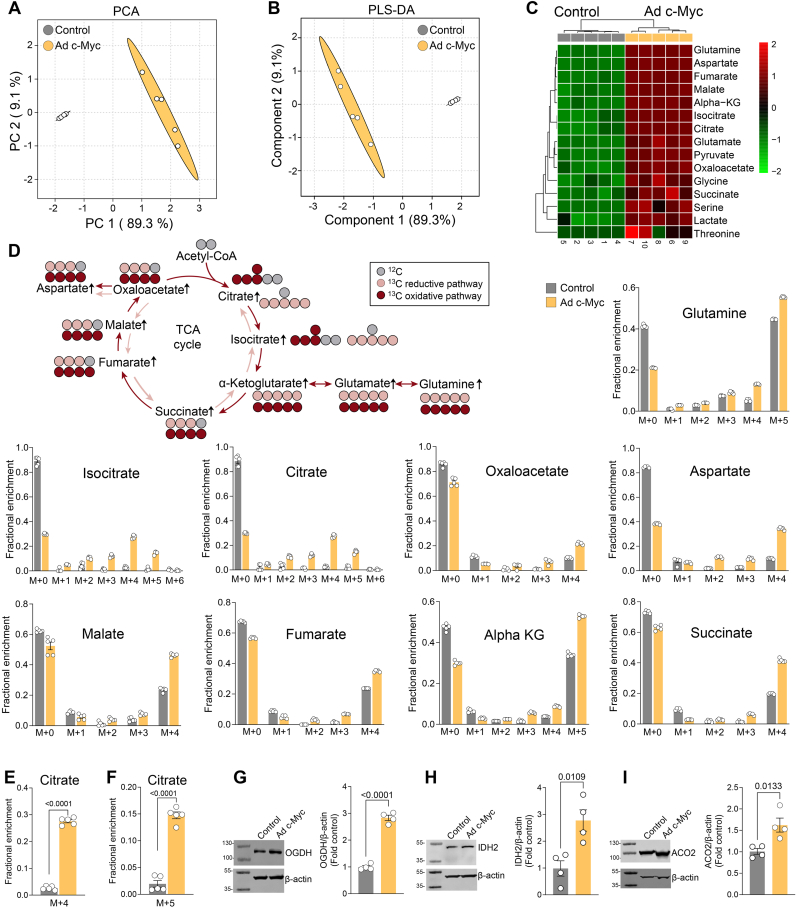
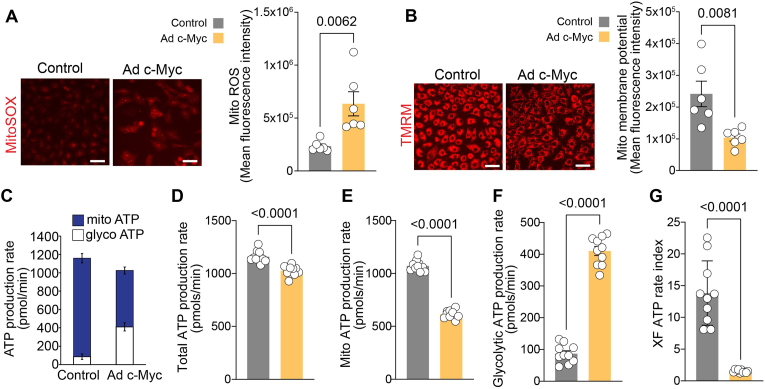
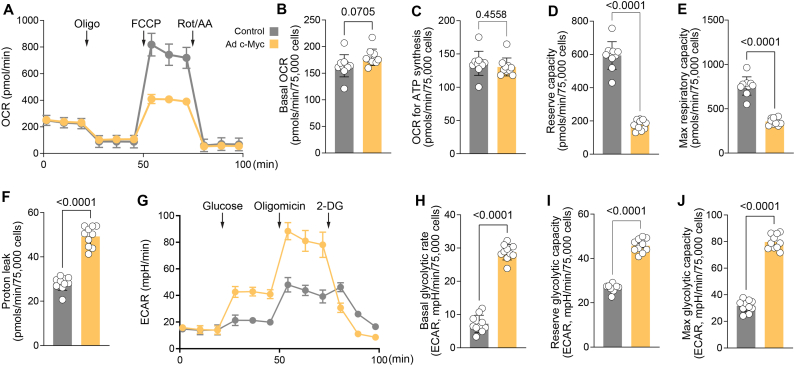
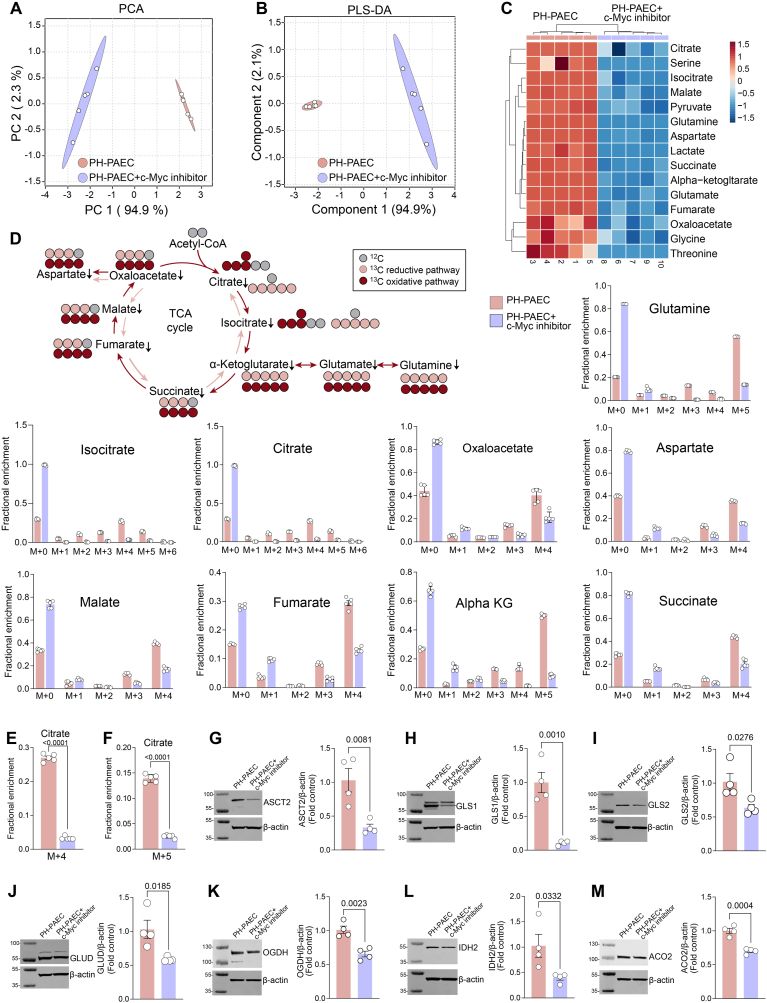
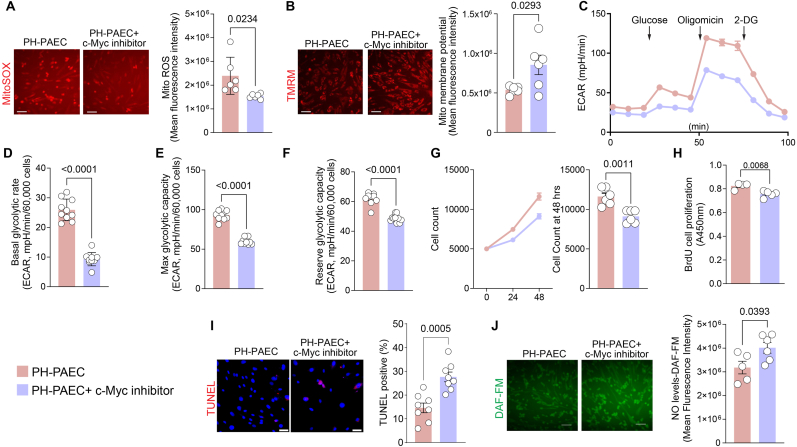
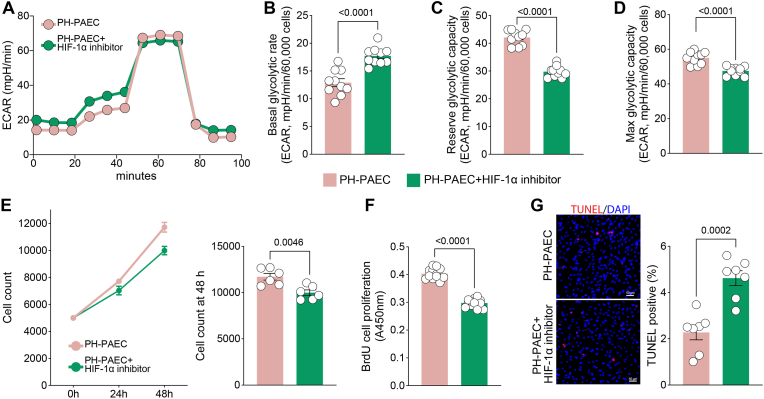
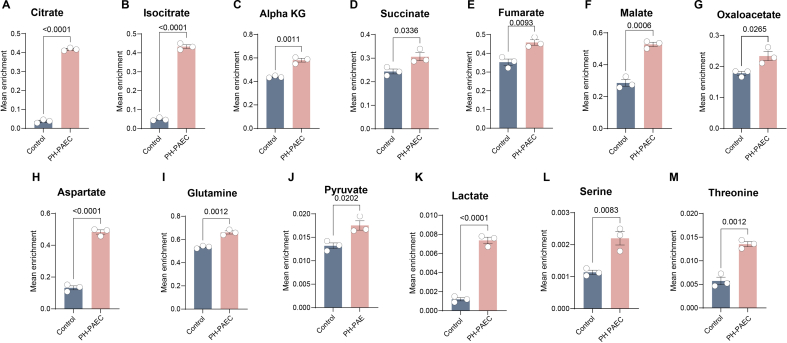
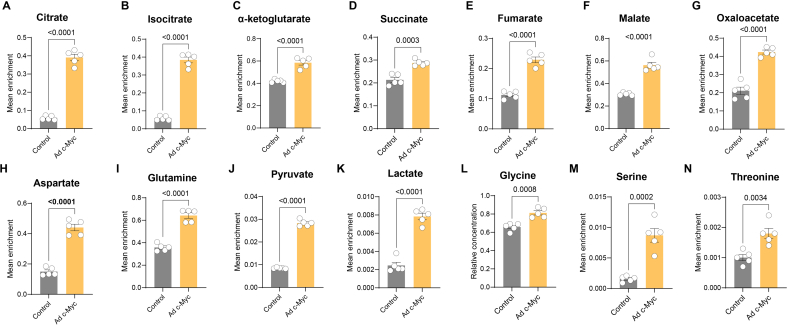
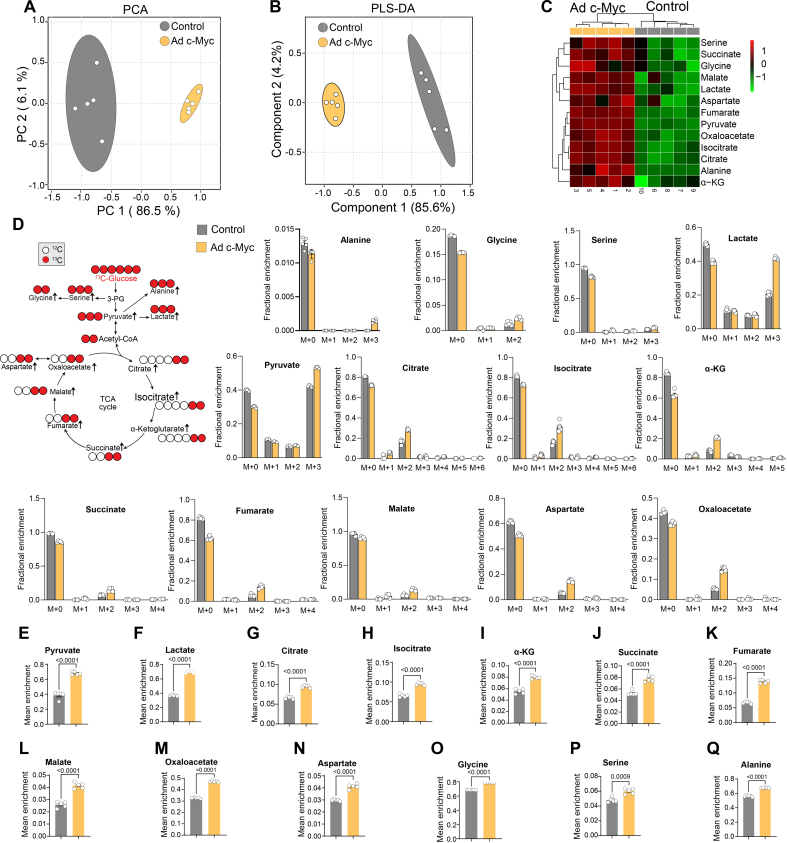
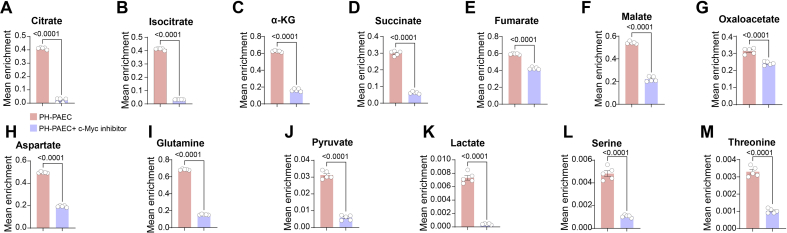
Endothelial cell (EC) dysfunction is key in initiating and progressing pulmonary hypertension (PH). EC dysfunction in PH leads to hyperproliferation and vascular remodeling of the pulmonary blood vessels. Increased glutaminolysis and altered cellular metabolism are pivotal in hyperproliferative cancer cells. However, whether a similar enhancement in glutamine metabolism is involved in the EC hyperproliferation and if this contributes to vascular remodeling during PH development is unresolved and was the focus of our study. Metabolic flux analysis showed elevated glutaminolysis and enhanced metabolic flux through the reductive tricarboxylic acid (TCA) cycle in pulmonary arterial ECs isolated from an ovine experimental model of PH (PH-PAECs). PH-PAECs also exhibited increased c-Myc protein levels, a master regulator of glutaminolysis. Therefore, we assessed the effect of increased c-Myc expression on metabolic reprogramming, glutaminolysis, and proliferation in control PAECs. Results from a comprehensive snapshot metabolomics investigation and metabolic flux analysis confirmed the reprogramming of mitochondrial metabolism, enhanced glutamine metabolism, and increased glycolysis in c-Myc overexpressing PAECs. Additionally, c-Myc overexpression impacted the ATP production rate, disrupted mitochondrial respiration, increased reactive oxygen species production, induced cell proliferation, and suppressed apoptosis. Functionally, these metabolic changes suppressed nitric oxide (NO) production. We also demonstrate that a small-molecule c-Myc inhibitor, 10058-F4, attenuates glutaminolysis, suppresses the reverse TCA cycle and glycolysis, and reverses the hyperproliferative phenotype, thereby restoring NO levels in PH-PAECs. We also demonstrate that directly targeting HIF-1α reverses the hyper-proliferative, anti-apoptotic phenotype in PH-PAECs. Thus, targeting c-Myc signaling and suppressing glutaminolysis or glycolysis could be a novel therapy for PH.
Keywords: Endothelial cells; Glutaminolysis; Glycolysis; Metabolomics; Proliferation; Pulmonary hypertension.
Copyright © 2025 The Authors. Published by Elsevier B.V. All rights reserved.
Conflict of interest statement
Declaration of competing interest None.
Figures
References
MeSH terms
Substances
Grants and funding
LinkOut - more resources
Full Text Sources
Medical
