


Unlocking the daily impact of parkinson's challenges through a comprehensive assessment using the ChulaPD ADL questionnaire
- PMID: 40683930
- PMCID: PMC12276288
- DOI: 10.1038/s41598-025-09444-7
Unlocking the daily impact of parkinson's challenges through a comprehensive assessment using the ChulaPD ADL questionnaire
Abstract
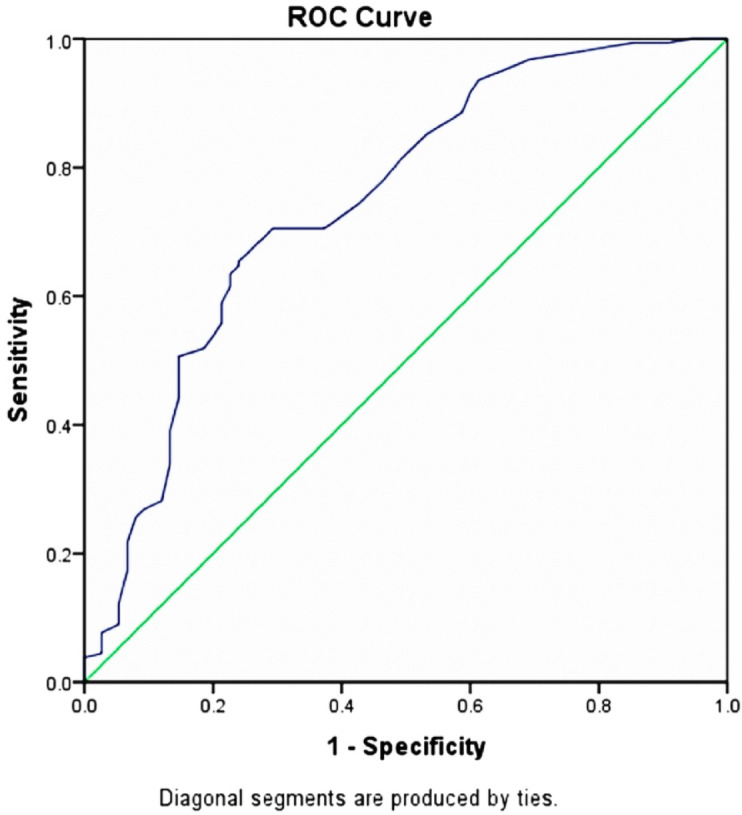
The ChulaPD ADL questionnaire is a meticulously developed tool by experts in Parkinson's disease (PD) and movement disorders, designed to assess functional limitations in daily activities. It comprehensively evaluates 15 key aspects of daily life through 115 items, including 15 for grading limitations and 100 for ADL limitations. Validated in a pilot study with 30 PD participants, the questionnaire demonstrated strong reliability. In a larger cohort of 231 PD patients, it showed moderate to high correlations with age, Hoehn and Yahr score, levodopa equivalent dose, Montreal Cognitive Assessment, and various UPDRS scores, highlighting its effectiveness in capturing disease-related changes. A grading limitation threshold of 13 points or above was particularly effective in identifying postural instability, achieving 81.4% sensitivity and 50.7% specificity, with an area under the curve (AUC) of 0.747. This underscores its utility in reflecting disease progression and its impact on daily functions. The ChulaPD ADL questionnaire is a relevant, reliable, and valid tool for assessing activities of daily living in patients with PD.
Keywords: Activities in daily living; Functional limitations; Parkinson’s disease; Questionnaire.
© 2025. The Author(s).
Conflict of interest statement
Declarations. Competing interests: The authors declare no competing interests. Ethical approval: Ethical approval for this study was obtained from the Faculty of Medicine’s ethical committee at Chulalongkorn University (IRB No.134/62 and COA No.0776/2024). Information regarding this research study was provided and written informed consent was obtained from every subject at enrollment, in accordance with the declaration of Helsinki. Consent to participate: Information regarding this research study was provided and written informed consent was obtained from every subject at enrollment, in accordance with the declaration of Helsinki.
Figures
References
-
- Armstrong, M. J. & Okun, M. S. Diagnosis and treatment of parkinson disease: a review. JAMA323, 548–560. 10.1001/jama.2019.22360 (2020). - PubMed
-
- Chou, K. L. et al. The spectrum of “off” in Parkinson’s disease: What have we learned over 40 years?. Parkinsonism Relat. Disord.51, 9–16. 10.1016/j.parkreldis.2018.02.001 (2018). - PubMed
MeSH terms
Grants and funding
LinkOut - more resources
Full Text Sources
Medical
