


Skin microbiome-biophysical association: a first integrative approach to classifying Korean skin types and aging groups
- PMID: 40692685
- PMCID: PMC12277360
- DOI: 10.3389/fcimb.2025.1561590
Skin microbiome-biophysical association: a first integrative approach to classifying Korean skin types and aging groups
Abstract
Introduction: The field of human microbiome research is rapidly expanding beyond the gut and into the facial skin care industry. However, there is still no established criterion to define the objective relationship between the microbiome and clinical trials for developing personalized skin solutions that consider individual diversity.
Objectives: In this study, we conducted an integrated analysis of skin measurements, clinical Baumann skin type indicator (BSTI) surveys, and the skin microbiome of 950 Korean subjects to examine the ideal skin microbiome-biophysical associations.
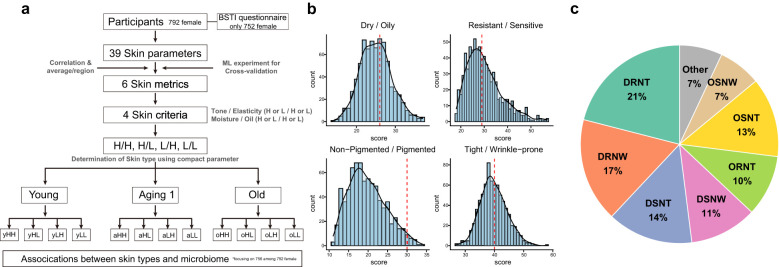
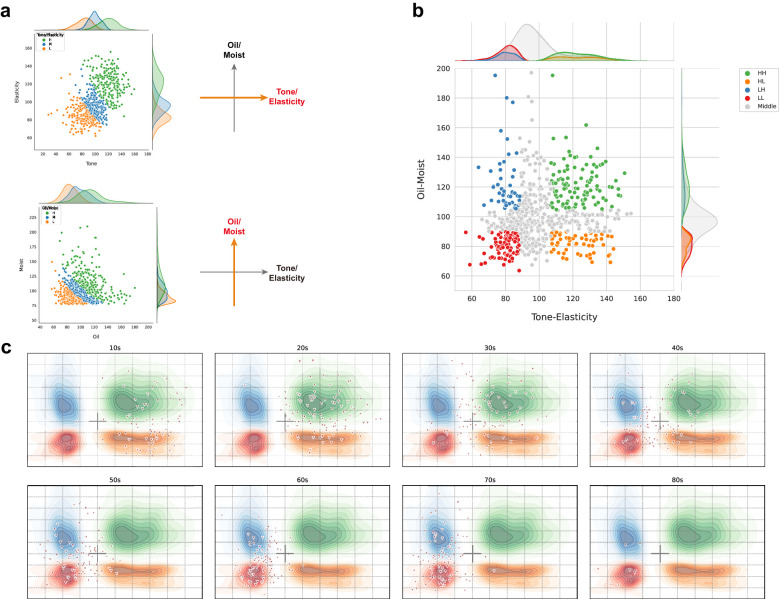
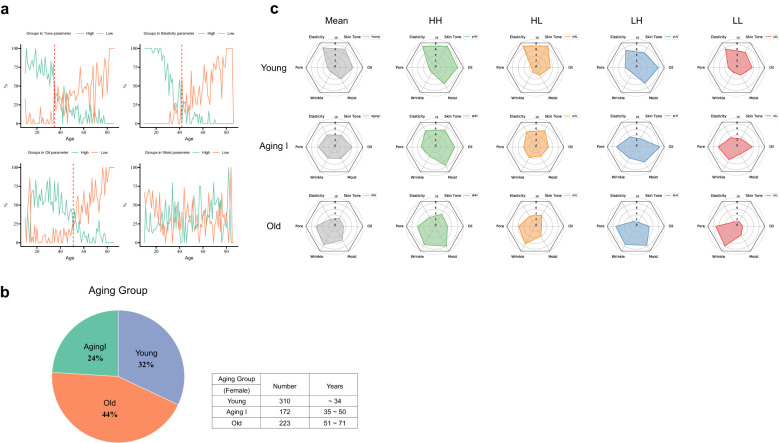
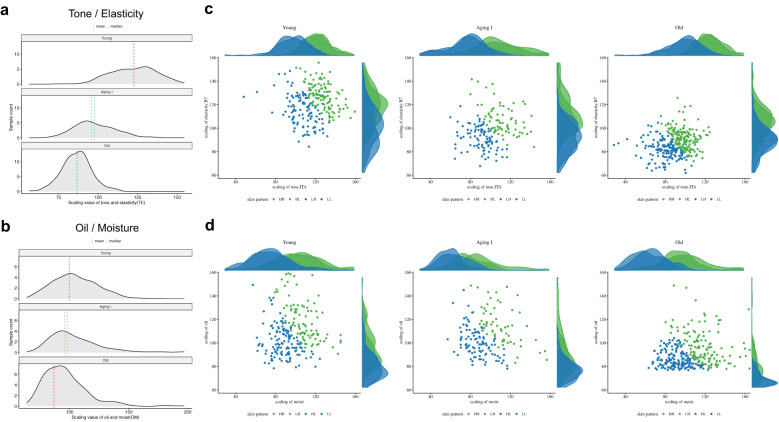
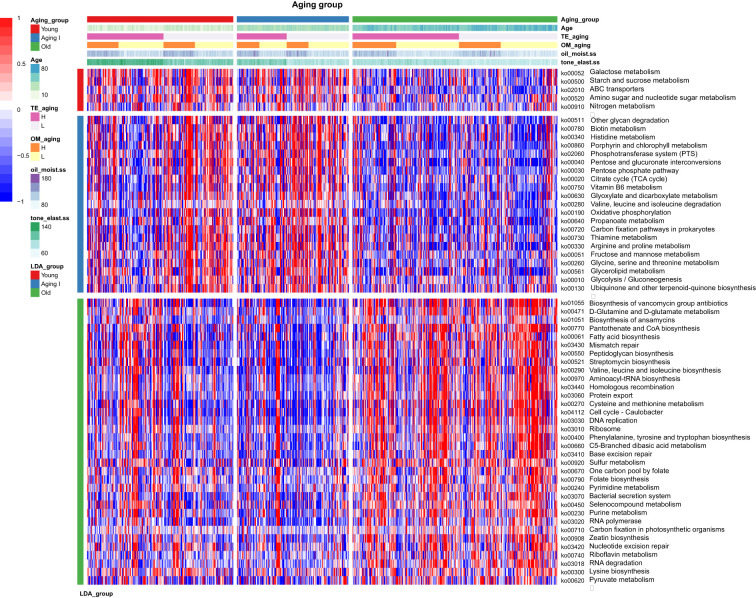
Methods: By utilizing four skin biophysical parameters, we identified four distinct Korean Skin Cutotypes (KSCs) and categorized the subjects into three aging groups: the Young (under 34 years old), the Aging I group (35-50), and the Old group (over 51). To unravel the intricate connection between the skin's microbiome and KSC types, we conducted DivCom clustering analysis.
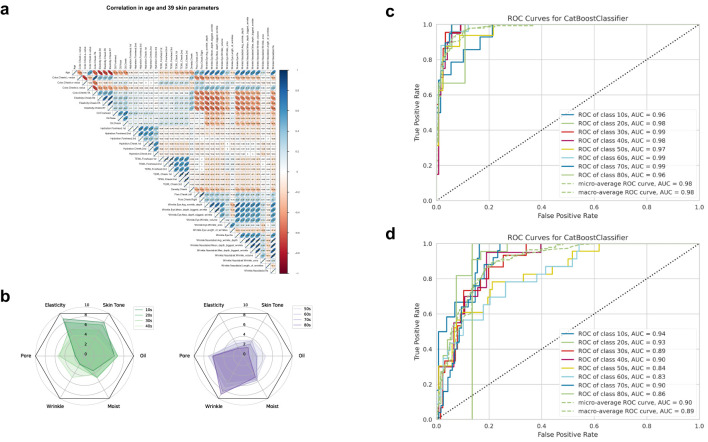
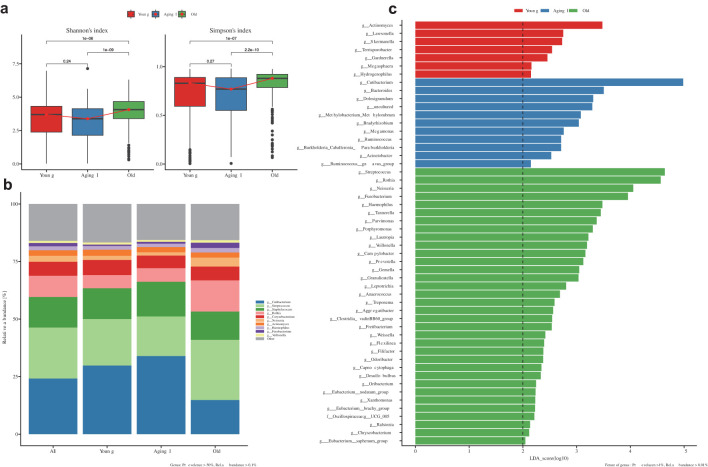
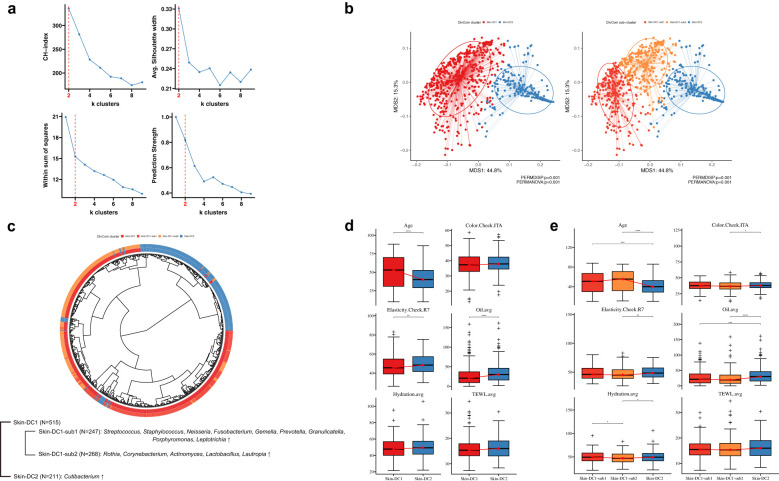
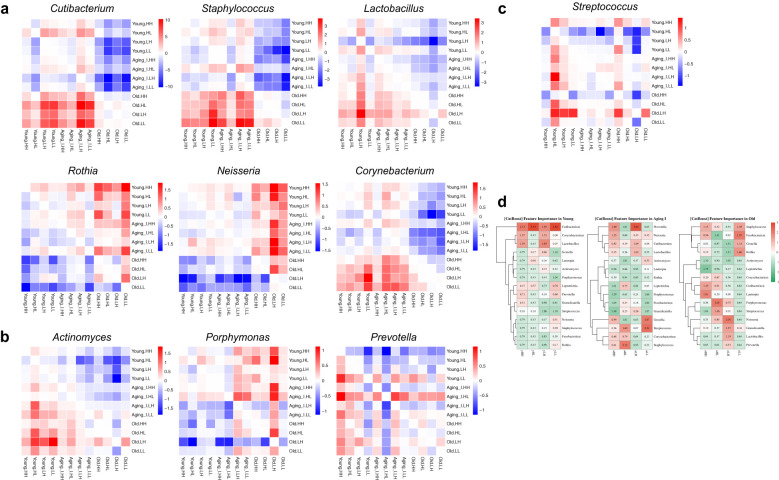
Results: This endeavor successfully classified 726 out of 740 female skin microbiomes into three subclusters: DC1-sub1, DC1-sub2, and DC2 with 15 core genera. To further amplify our findings, we harnessed the potent capabilities of the CatBoost boosting algorithm and achieved a reliable framework for predicting skin types based on microbial composition with an impressive average accuracy of 0.96 AUC value. Our study conclusively demonstrated that these 15 core genera could serve as objective indicators, differentiating the microbial composition among the aging groups.
Conclusion: In conclusion, this study sheds light on the complex relationship between the skin microbiome and biophysical properties, and the findings provide a promising approach to advance the field of skincare, cosmetics, and broader microbial research.
Keywords: Korean skin cutotypes; core genera; dermatologic conditions; microbiome; skin microbiome-biophysical association.
Copyright © 2025 Mun, Jo, Heo, Baek, Kim, Lee, Yun, Jeong, Lee, Jeon, Kang, Kang, Choi, Han, Kim, Ahn, Lee, Ahn, Lee and Han.
Conflict of interest statement
Authors HJ, YH, CB, HK, HL, SK and DL were employed by COSMAX BTI. Authors KY, SH, GK, KA, YA, KH were employed by HuNBiome Co.,Ltd. Authors DJ and SK were employed by Korea Biomedical Research Institute. The remaining authors declare that the research was conducted in the absence of any commercial or financial relationships that could be construed as a potential conflict of interest.
Figures
References
-
- Akiba T., Sano S., Yanase T., Ohta T., Koyama M. (2019) “Optuna: A next-generation hyperparameter optimization framework.,” in Proceedings of the 25th ACM SIGKDD international conference on knowledge discovery & data mining. 2623–2631. doi: 10.1145/3292500.3330701 - DOI
MeSH terms
LinkOut - more resources
Full Text Sources
Medical
