


Multiomic Characterization of Pre- and Post-Neoadjuvant Chemotherapy-Treated Ovarian Cancer Reveals Mediators of Tumorigenesis and Chemotherapy Response
- PMID: 40693832
- PMCID: PMC12377306
- DOI: 10.1158/0008-5472.CAN-24-3804
Multiomic Characterization of Pre- and Post-Neoadjuvant Chemotherapy-Treated Ovarian Cancer Reveals Mediators of Tumorigenesis and Chemotherapy Response
Abstract
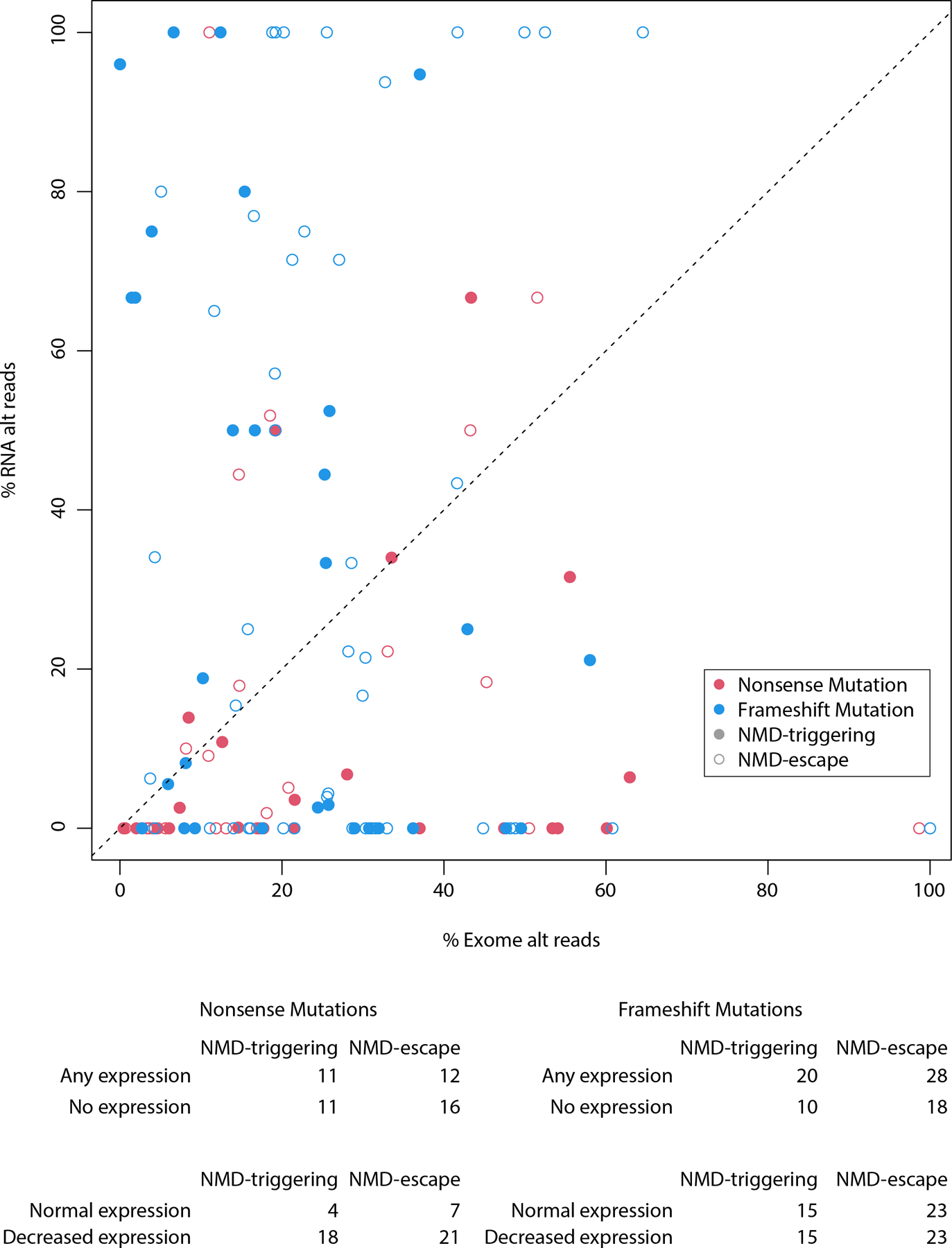
High-grade serous ovarian cancer (HGSC) accounts for more than 200,000 deaths each year. Despite recent advances in treating HGSC with neoadjuvant chemotherapy, the majority of patients ultimately develop chemotherapy resistance. HGSC is characterized by TP53 mutations and widespread copy-number alterations and occurs frequently in the setting of deleterious germline BRCA1/2 variations, but many cases lack putative driver mutations. In this study, we performed whole-exome, whole-genome, and whole-transcriptome sequencing along with mass spectrometry to characterize the molecular landscape of HGSC in 22 paired samples obtained before and after neoadjuvant chemotherapy. Responsiveness to chemotherapy was determined for each patient. Evidence at the DNA, RNA, and protein level revealed numerous defects in cell-cell and cell-matrix interactions, as well as disruption of cell polarity and cytoskeletal regulation in HGSC, indicating that defects in epithelial integrity were present in the majority of patients with HGSC. Nonresponsive HGSC harbored subclones with putative survival mutations. Additionally, ineffective nonsense-mediated decay resulted in the persistence of transcripts with frameshift mutations that were translated into aberrant proteins detectable in HGSC samples. Together, these findings suggest that HGSC may arise through defects in the maintenance of epithelial integrity that lead to the shedding of malignant cells throughout the peritoneum, and the presence of resistant subclones prior to chemotherapy may decrease the chemosensitivity of patients.
Significance: Comprehensive longitudinal characterization of ovarian cancer identifies pathways that promote tumorigenesis and provides insights into regulators of chemotherapy response, which could help develop strategies to improve outcomes for patients.
©2025 American Association for Cancer Research.
Conflict of interest statement
The authors declare no potential conflicts of interest.
Figures



References
MeSH terms
Grants and funding
LinkOut - more resources
Full Text Sources
Medical
Research Materials
Miscellaneous
