Genomic insights into Streptomyces albidoflavus SM254: tracing the putative signs of anti-Pseudogymnoascus destructans properties
- PMID: 40694258
- PMCID: PMC12350921
- DOI: 10.1007/s42770-025-01740-8
Genomic insights into Streptomyces albidoflavus SM254: tracing the putative signs of anti-Pseudogymnoascus destructans properties
Abstract
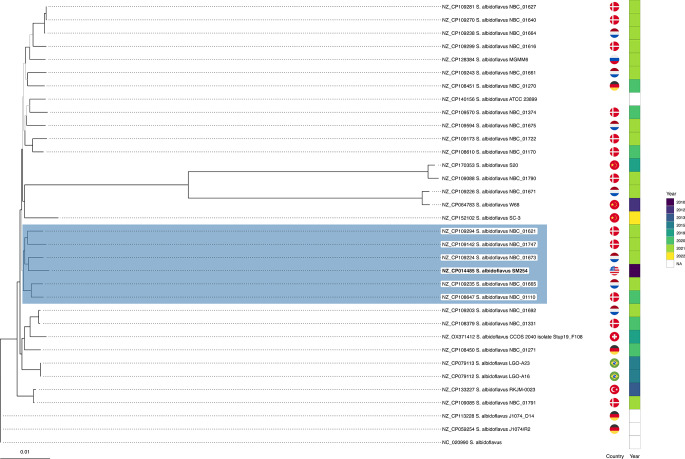
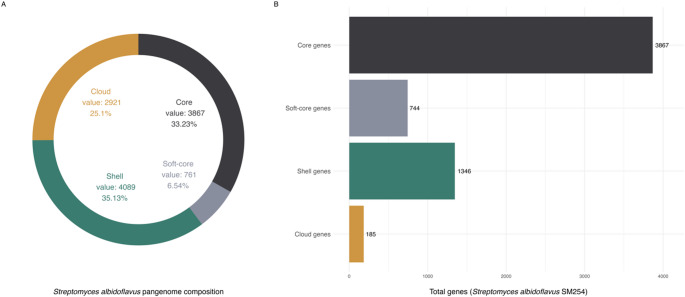
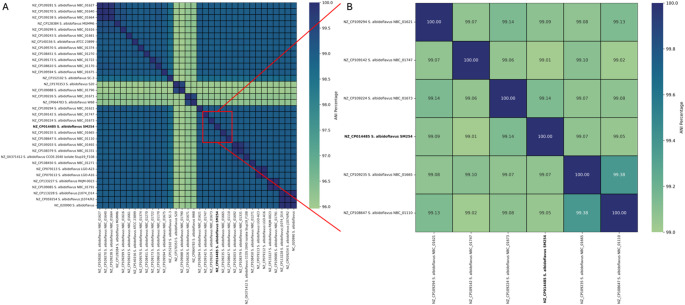
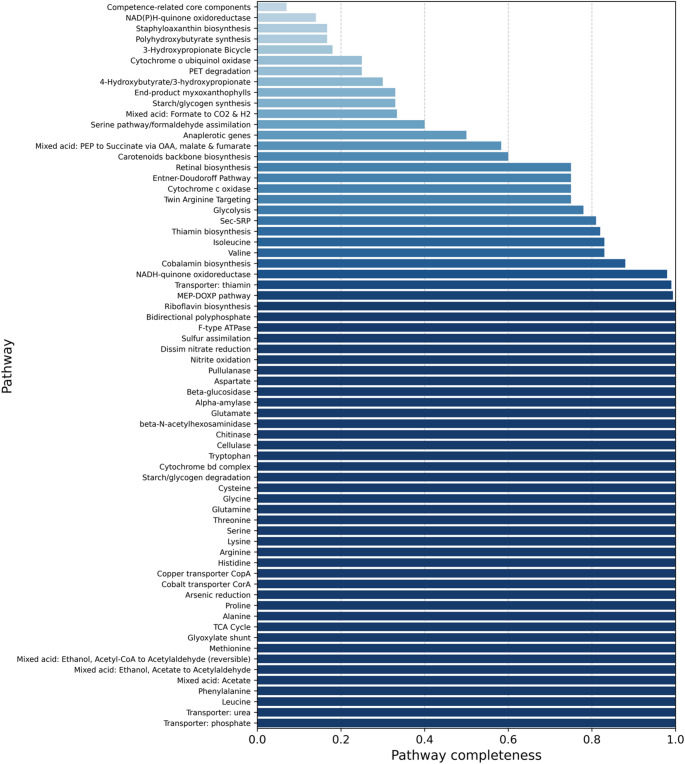
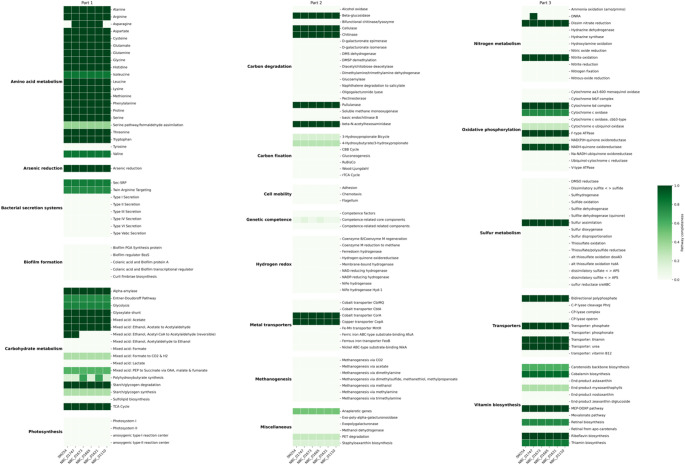
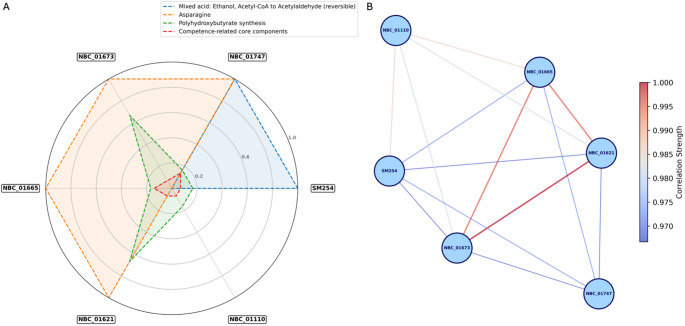
White-nose syndrome, caused by the psychrophilic fungus Pseudogymnoascus destructans, has devastated bat populations across North America. Streptomyces albidoflavus SM254 was previously reported to exhibit antifungal activity against this pathogen, but no comprehensive genomic characterization has been performed to date. Here, we analyzed 34 S. albidoflavus genomes, including the antifungal strain SM254 and 33 publicly available references, to investigate its metabolic potential and functional distinctiveness. Using pangenome reconstruction, phylogenomics, average nucleotide identity, and KEGG pathway profiling, we found that S. albidoflavus SM254 shares high nucleotide identity (> 99%) with five closely related strains but displays a unique combination of complete ethanol fermentation capacity and asparagine biosynthesis deficiency. These traits were exclusive to SM254 and may reflect adaptation to the oxygen-limited, nutrient-variable sediment environment. Functional annotation further revealed high completeness in central energy, redox, and stress-response pathways. Although direct antifungal mechanisms remain to be experimentally validated, S. albidoflavus SM254's unique metabolic profile and ecological specialization suggest potential relevance in biocontrol contexts.
Keywords: Pseudogymnoascus destructans; Streptomyces albidoflavus SM254; Comparative genomics; White-nose syndrome.
© 2025. The Author(s).
Conflict of interest statement
Declarations. Institutional review board statement: Not applicable. Conflict of interest: The authors declare no competing interests.
Figures
References
-
- Garcês A, Pires I (2024) Pseudogymnoascus destructans as the agent of White-Nose syndrome (WNS) in Bat populations. Biology Life Sci Forum 31:20. 10.3390/ECM2023-16696 - DOI
MeSH terms
Substances
Grants and funding
LinkOut - more resources
Full Text Sources