


Therapeutic potential of quercetin in depressive symptoms: a systematic review and meta-analysis of preclinical studies
- PMID: 40697653
- PMCID: PMC12280726
- DOI: 10.3389/fphar.2025.1598053
Therapeutic potential of quercetin in depressive symptoms: a systematic review and meta-analysis of preclinical studies
Abstract
Background: Depression is a common and severe mental disorder. Quercetin, a natural flavonoid compound, has been shown in several studies through animal experiments to improve depressive symptoms, demonstrating significant antidepressant potential.
Objective: This study represents the first preclinical meta-analysis on quercetin and depression, aiming to systematically evaluate the antidepressant effects of quercetin in animal studies. Methods: This study conducted a systematic search of the PubMed, EMBASE, Cochrane Library, and Web of Science electronic databases, with the search period covering from the inception of the databases to January 2025. Subsequently, the SYRCLE risk of bias assessment tool was used for quality evaluation, and data analysis was performed using RevMan 5.4 software.
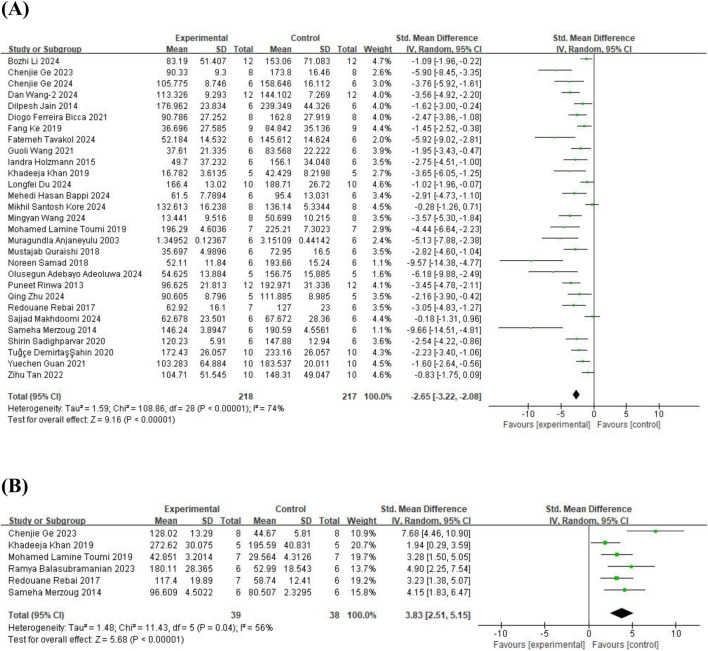
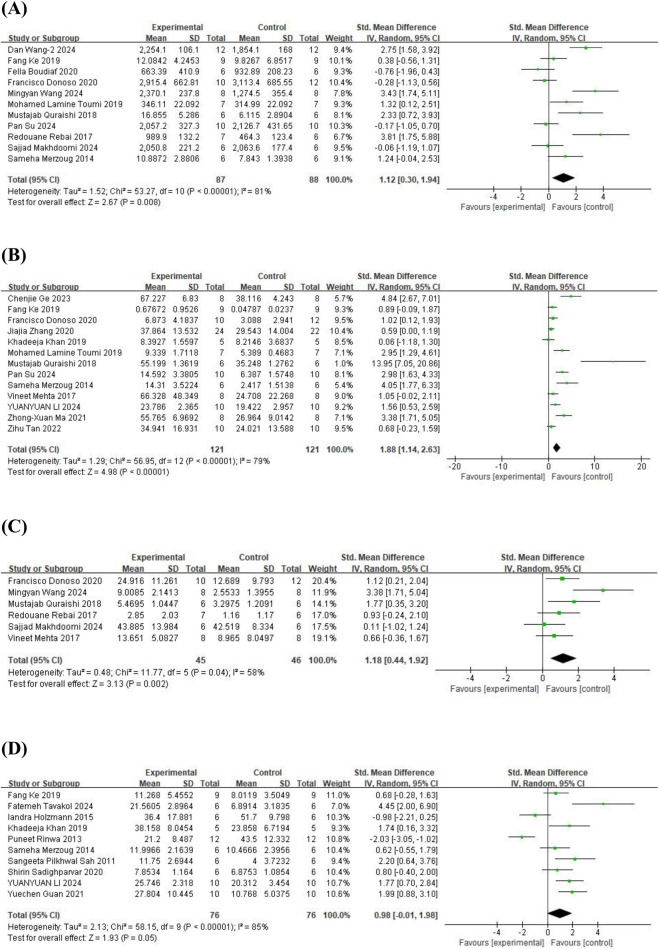
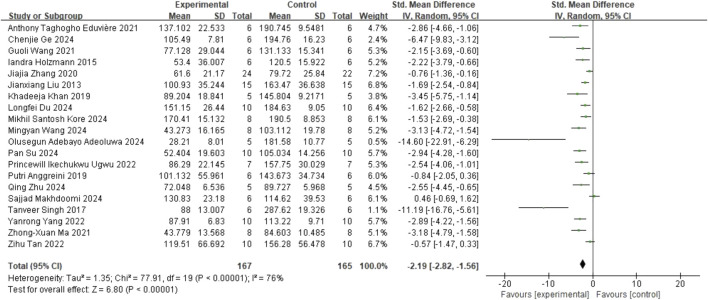
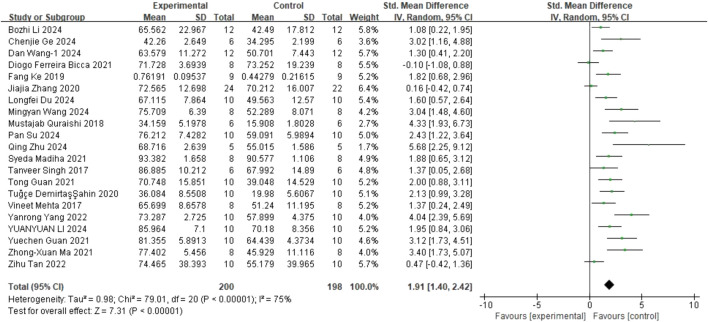
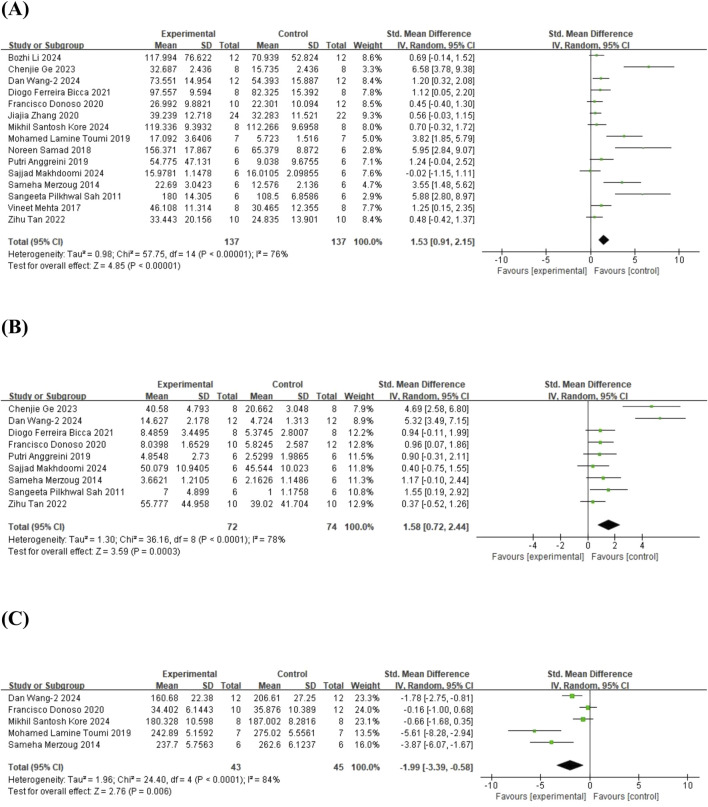
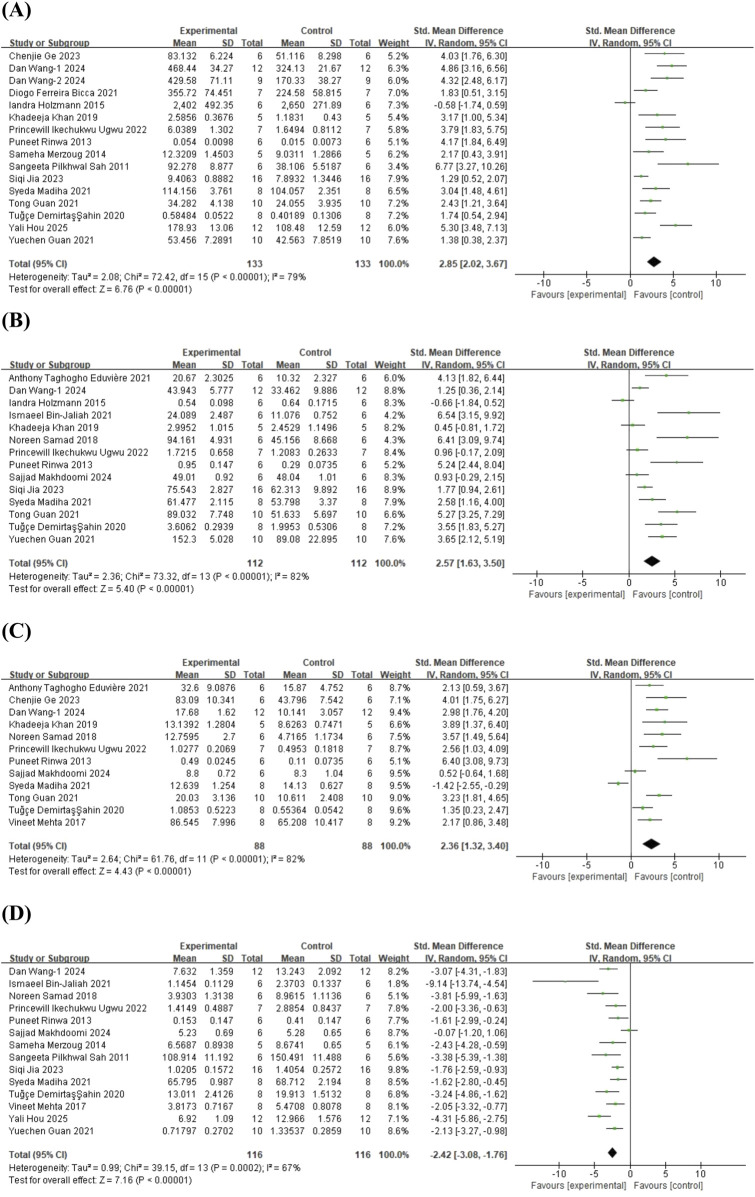
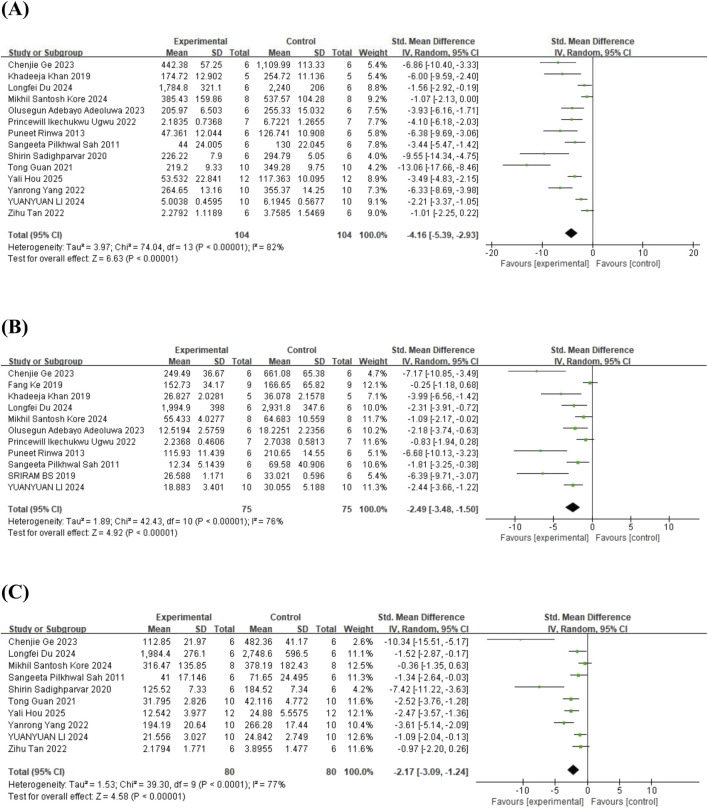
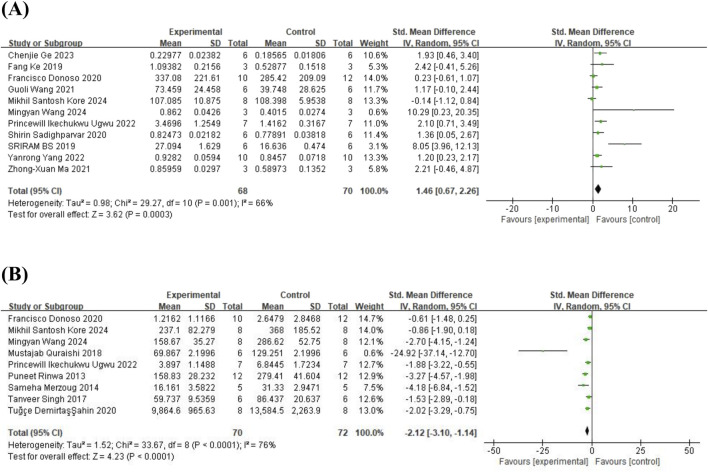
Results: This systematic review included 52 animal studies for random-effects meta-analysis. The results indicated that, compared to the control group, quercetin significantly reduced the immobility time in the forced swimming test and tail suspension test, as well as the time spent in the closed arms of the elevated plus maze. Simultaneously, it increased sucrose preference, swimming time in the forced swimming test, total distance traveled in the open field test, time spent in the central area, and the number of entries into the central area. In the elevated plus maze test, quercetin also increased the time spent in the open arms and the number of entries into the open arms. However, it did not produce a significant effect on the number of standing episodes in the open field test. Moreover, quercetin increased the levels of glutathione (GSH), superoxide dismutase (SOD), catalase (CAT), and brain-derived neurotrophic factor (BDNF), while reducing the levels of malondialdehyde (MDA), tumor necrosis factor-α (TNF-α), interleukin-1β (IL-1β), interleukin-6 (IL-6), and corticosterone (CORT).
Conclusion: This meta-analysis indicates that quercetin significantly improves depressive symptoms. However, further high-quality studies are needed to explore the role of quercetin in antidepressant research.
Systematic review registration: http://inplasy.com/, Identifier: INPLASY202530047.
Keywords: depression; meta-analysis; preclinical studies; quercetin; systematic review.
Copyright © 2025 Yang, Zhang, Chen, Li and Zhao.
Conflict of interest statement
The authors declare that the research was conducted in the absence of any commercial or financial relationships that could be construed as a potential conflict of interest.
Figures
References
-
- Adeoluwa O. A., Olayinka J. N., Adeoluwa G. O., Akinluyi E. T., Adeniyi F. R., Fafure A., et al. (2023). Quercetin abrogates lipopolysaccharide-induced depressive-like symptoms by inhibiting neuroinflammation via microglial NLRP3/NFκB/iNOS signaling pathway. Behav. Brain Res. 450, 114503. 10.1016/j.bbr.2023.114503 - DOI - PubMed
-
- Ahin T. D., Gocmez S. S., Duruksu G., Yazir Y., Utkan T. (2020). Resveratrol and quercetin attenuate depressive-like behavior and restore impaired contractility of Vas deferens in chronic stress-exposed rats: involvement of oxidative stress and inflammation. Naunyn. Schmiedeb. Arch. Pharmacol. 393 (5), 761–775. 10.1007/s00210-019-01781-5 - DOI - PubMed
Publication types
LinkOut - more resources
Full Text Sources
Miscellaneous
