


Expression and Biological Activity Analysis of Recombinant Fibronectin3 Protein in Bacillus subtilis
- PMID: 40700133
- PMCID: PMC12286206
- DOI: 10.3390/biotech14030051
Expression and Biological Activity Analysis of Recombinant Fibronectin3 Protein in Bacillus subtilis
Abstract
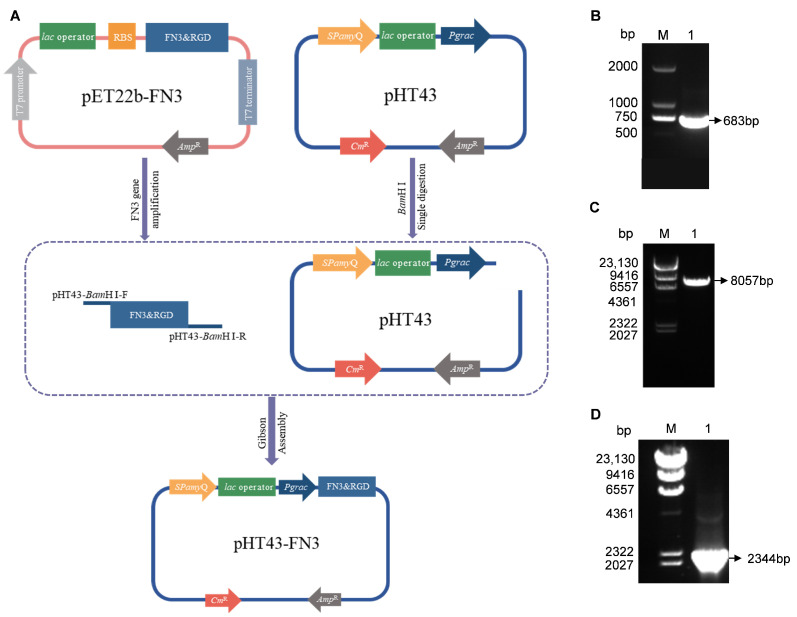
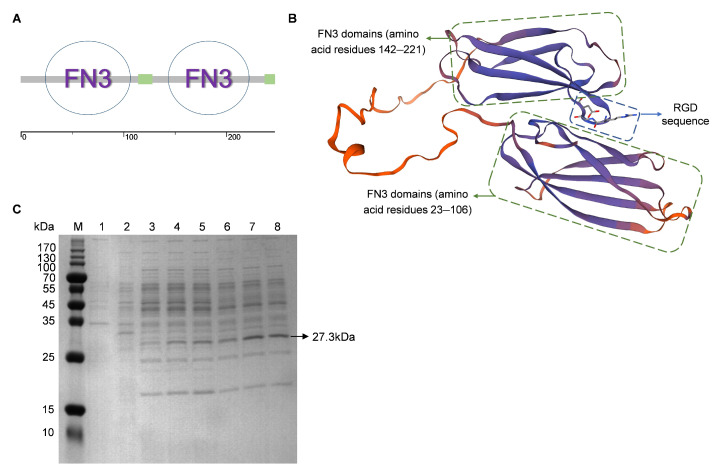
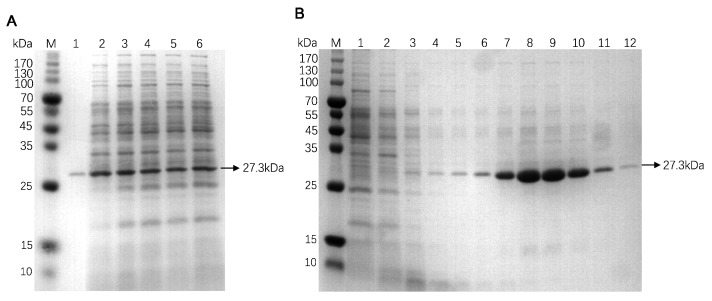
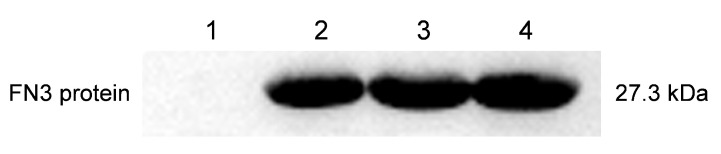
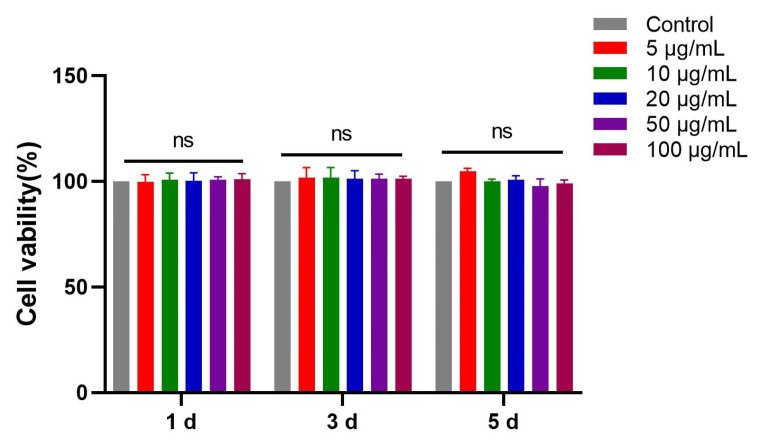
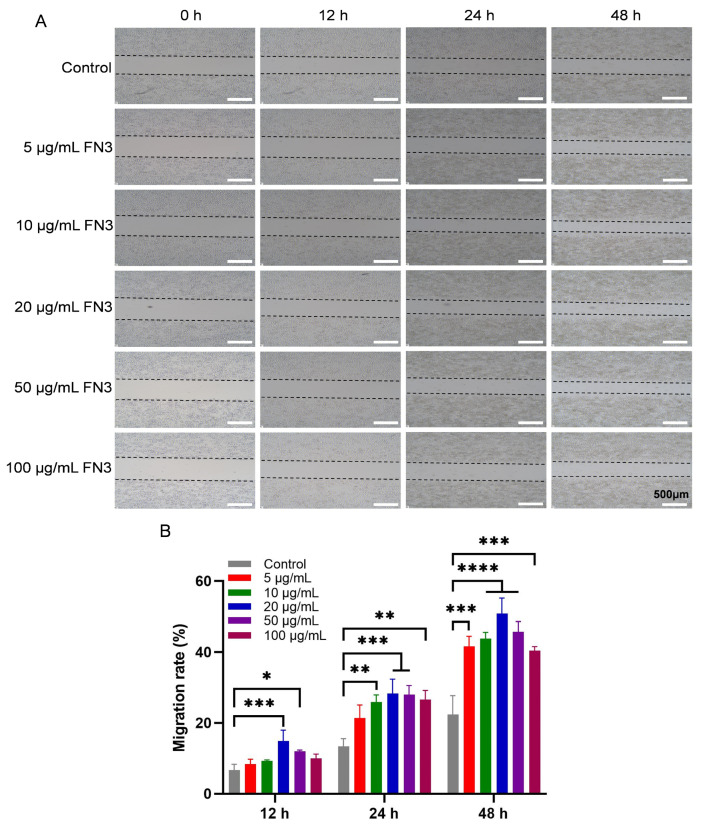
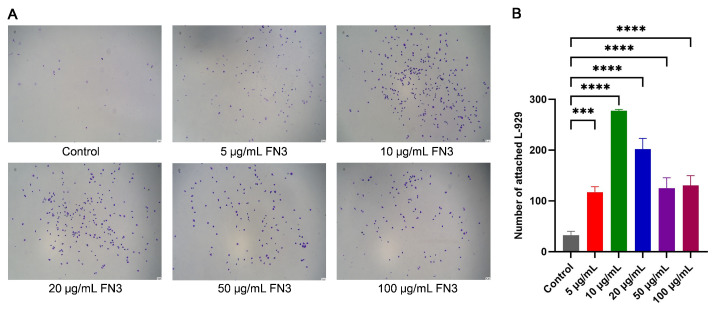
Fibronectin (FN), a primary component of the extracellular matrix (ECM), features multiple structural domains closely linked to various cellular behaviors, including migration, spreading, adhesion, and proliferation. The FN3 domain, which contains the RGD sequence, is critical in tissue repair because it enables interaction with integrin receptors on the cell surface. However, the large molecular weight of wild-type FN presents challenges for its large-scale production through heterologous expression. Therefore, this study focused on cloning the FN3 functional domain of full-length FN for expression and validation. This study selected Bacillus subtilis as the expression host due to its prominent advantages, including efficient protein secretion, absence of endotoxins, and minimal codon bias. The recombinant vector pHT43-FN3 was successfully constructed through homologous recombination technology and transformed into Bacillus subtilis WB800N. The FN3 protein was successfully expressed after induction with IPTG. Following purification of the recombinant FN protein using a His-tag nickel column, SDS-PAGE analysis showed that the molecular weight of FN3 was approximately 27.3 kDa. Western blot analysis confirmed the correct expression of FN3, and the BCA protein assay kit determined a protein yield of 5.4 mg/L. CCK8 testing demonstrated the good biocompatibility of FN3. In vitro cell experiments showed that FN3 significantly promoted cell migration at a 20 μg/mL concentration and enhanced cell adhesion at 10 μg/mL. In summary, this study successfully utilized Bacillus subtilis to express the FN3 functional domain peptide from FN protein and has validated its ability to promote cell migration and adhesion. These findings not only provide a strategy for the expression of FN protein in B. subtilis, but also establish an experimental foundation for the potential application of FN3 protein in tissue repair fields such as cutaneous wound healing and cartilage regeneration.
Keywords: Bacillus subtilis; cell adhesion; cell migration; recombinant fibronectin3 protein.
Conflict of interest statement
The authors declare no conflicts of interest.
Figures
References
Grants and funding
LinkOut - more resources
Full Text Sources
Miscellaneous