


Bibliometric and visualization analysis of hydrogel research in spinal cord injury: comparative study of Chinese and English literature
- PMID: 40708685
- PMCID: PMC12287083
- DOI: 10.3389/fnins.2025.1636904
Bibliometric and visualization analysis of hydrogel research in spinal cord injury: comparative study of Chinese and English literature
Abstract
Background: Over the past decade, the fields of hydrogel and spinal cord injury (SCI) research have witnessed rapid development. To explore disparities between China and global trends in hydrogel research, this study systematically conducted qualitative and quantitative analyses of related publications, summarizing current research foci and future directions. This provides critical guidance for researchers to delve deeper into hydrogel applications.
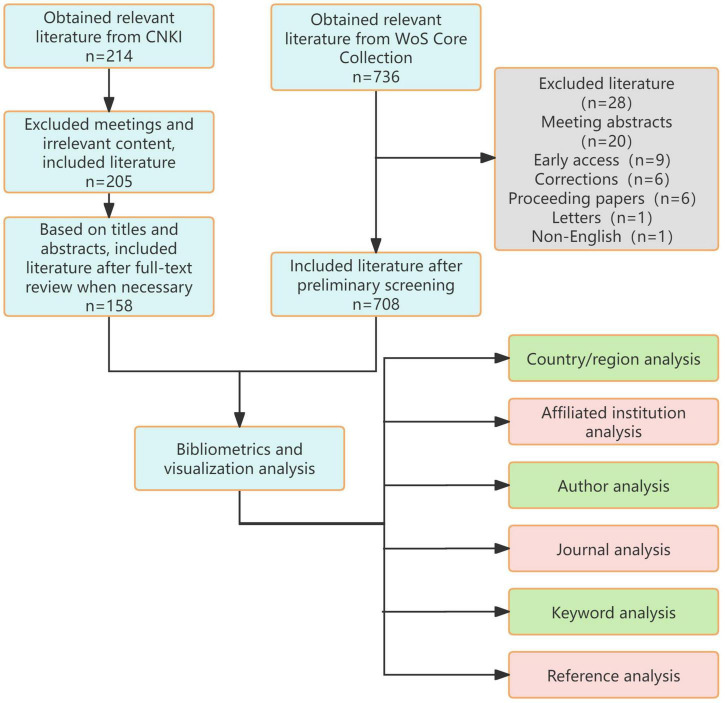
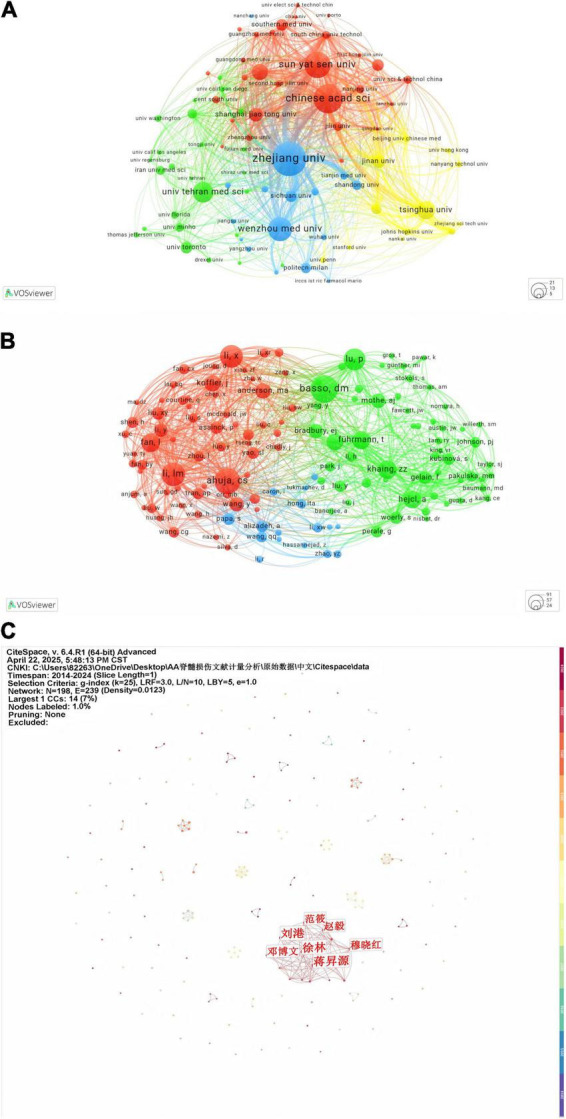
Methods: A total of 866 records in the hydrogel and SCI domains were collected from the Web of Science Core Collection (WoSCC) and China National Knowledge Infrastructure (CNKI) between 2014 and 2024. CiteSpace, VOSviewer, SCImago, and the R package "bibliometrix" were utilized to analyze regional distributions, institutional collaborations, journal impacts, author productivity, and keyword trends.
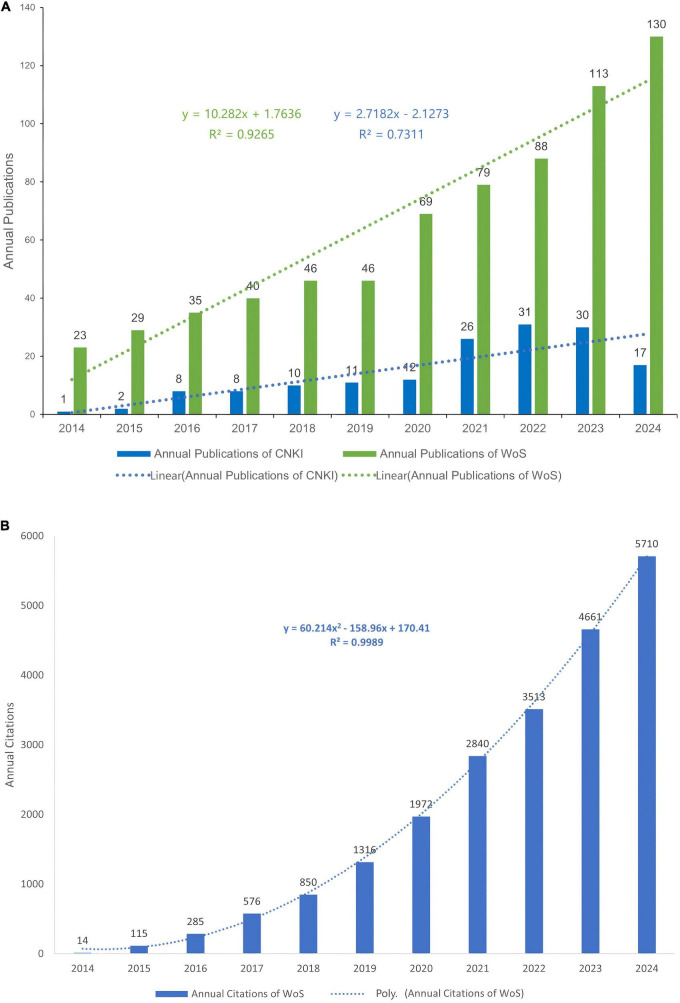
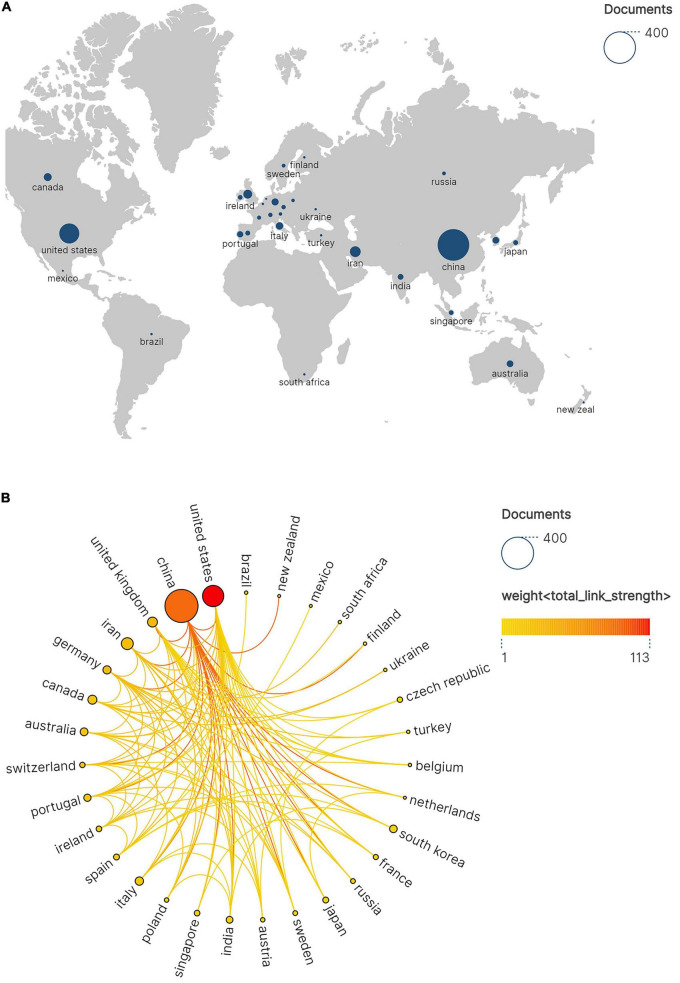
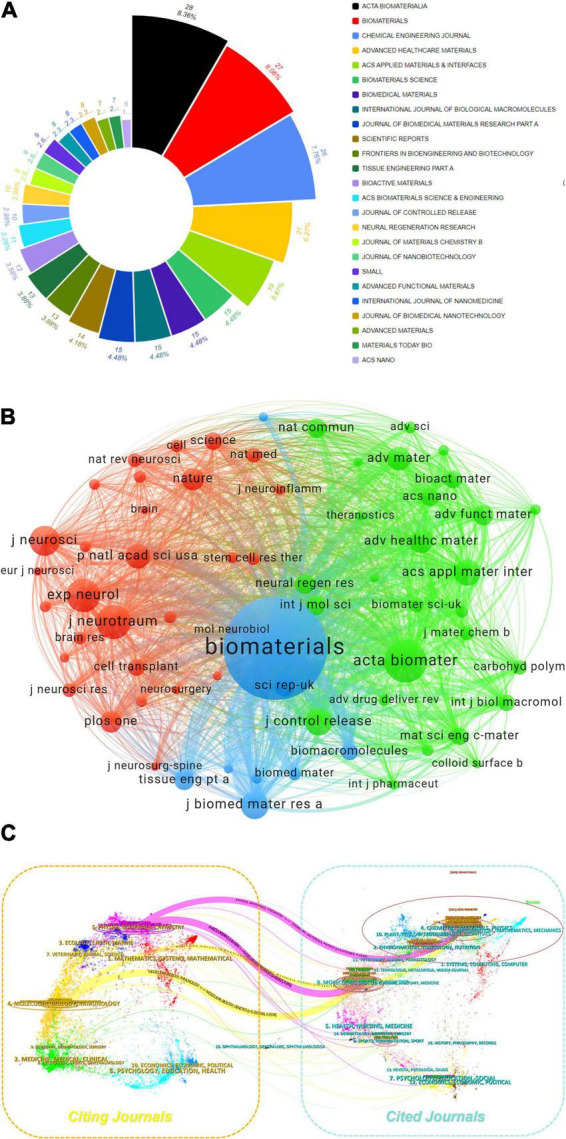
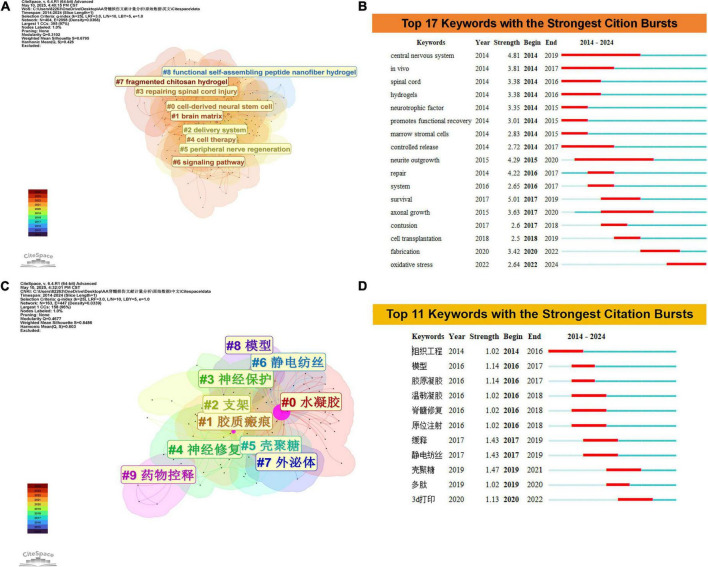
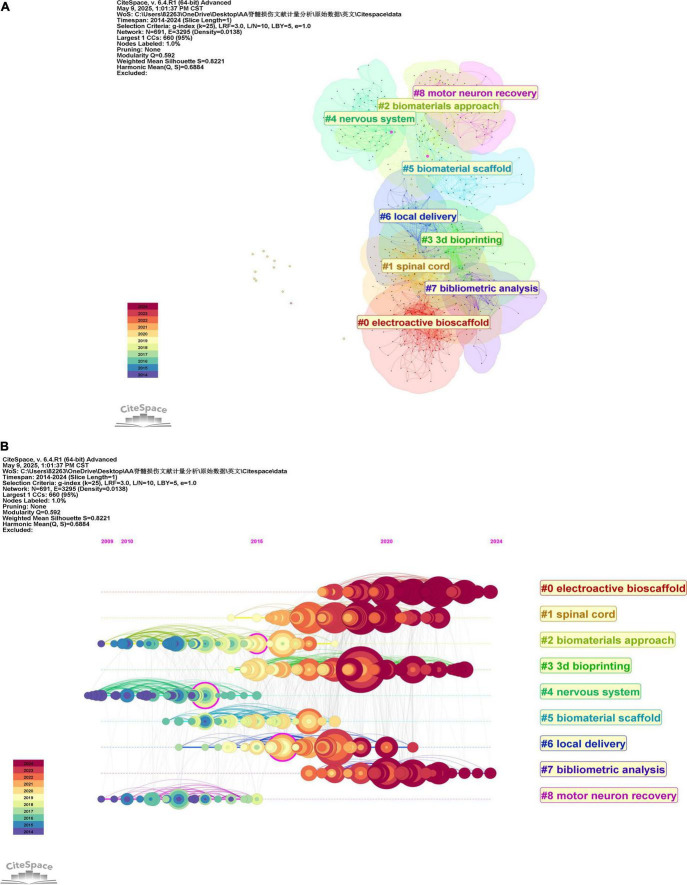
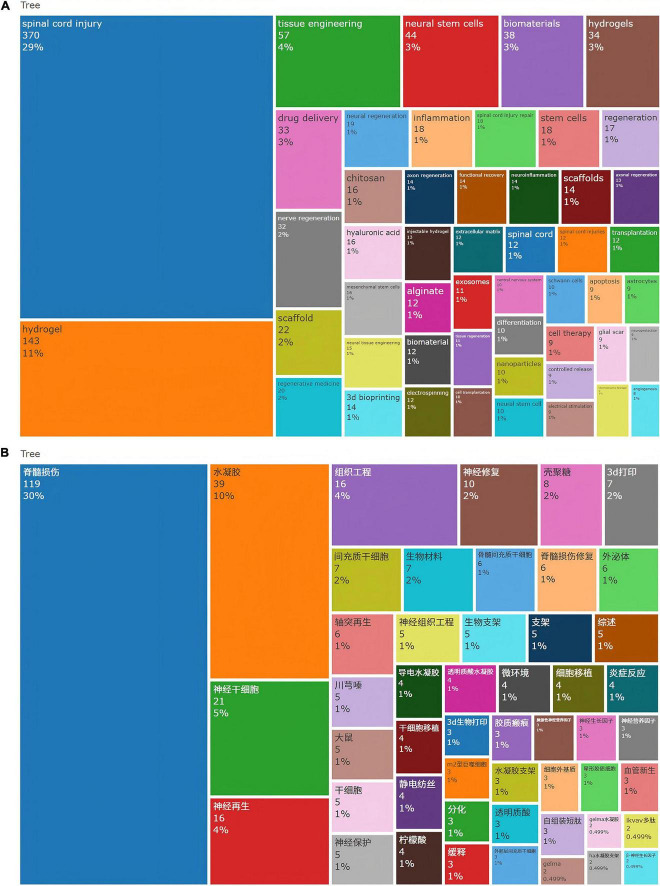
Results: Annual publications in hydrogel and SCI research exhibited consistent growth. China (n = 382) and the United States (n = 158) collectively contributed 76.2% of global academic output, reflecting disproportionate productivity. Zhejiang University and Jinan University demonstrated significant contributions across international and Chinese academic platforms. XIAO Jian distinguished himself through exceptional metrics (h-index, total citations), establishing his prominence as a high-impact scholar. BIOMATERIALS emerged as the most prolific and influential journal based on total link strength. Keyword and co-citation analyses revealed heightened emphasis on 3D bioprinting and electroactive bio-scaffolds in both WoSCC and CNKI databases. Systemic research disparities reveals that CNKI prioritize hydrogel technologies with a distinctive focus on indigenous specializations (e.g., Chuanxiongzine and stem cell transplantation), while WoSCC demonstrates notable advantages in establishing therapeutic loops encompassing drug delivery systems, functional recovery evaluation, and neuroimmune modulation strategies.
Conclusion: By integrating WoSCC and CNKI data, this study comprehensively elucidates geographical disparities in research priorities between China and the global scientific community regarding hydrogel-mediated SCI repair, thereby proposing an evidence-based framework for international collaborative innovation. These insights offer valuable references to guide future hydrogel research.
Keywords: CiteSpace; bibliometric; comparative study; cord injury; hydrogel; visual analysis.
Copyright © 2025 Bai, Huang, Liu, Halike, Li, Zhang, Chang and Wang.
Conflict of interest statement
The authors declare that the research was conducted in the absence of any commercial or financial relationships that could be construed as a potential conflict of interest.
Figures
References
Publication types
LinkOut - more resources
Full Text Sources
Miscellaneous
