


Translation of clinical practice to research: the VETS and ETHOS epidemiologic prospective cohorts
- PMID: 40709207
- PMCID: PMC12288094
- DOI: 10.3389/fcvm.2025.1577931
Translation of clinical practice to research: the VETS and ETHOS epidemiologic prospective cohorts
Abstract
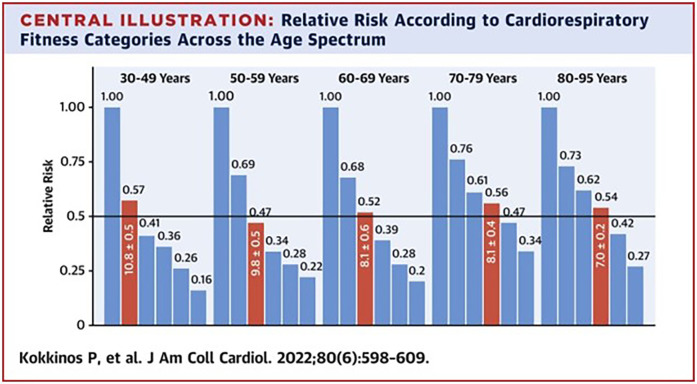
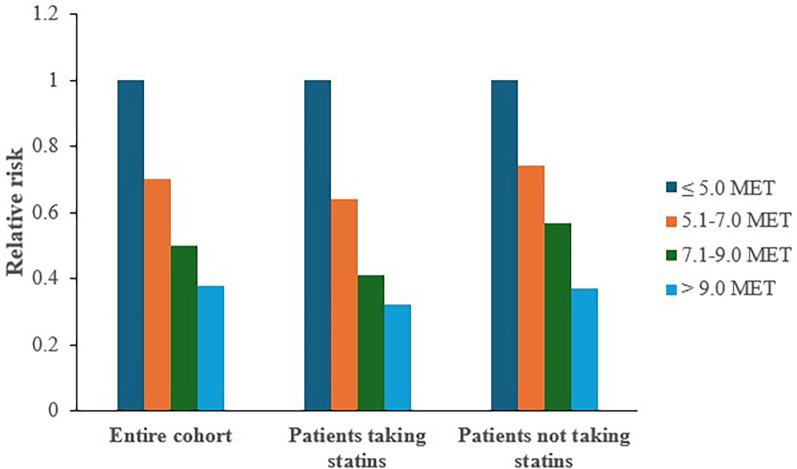
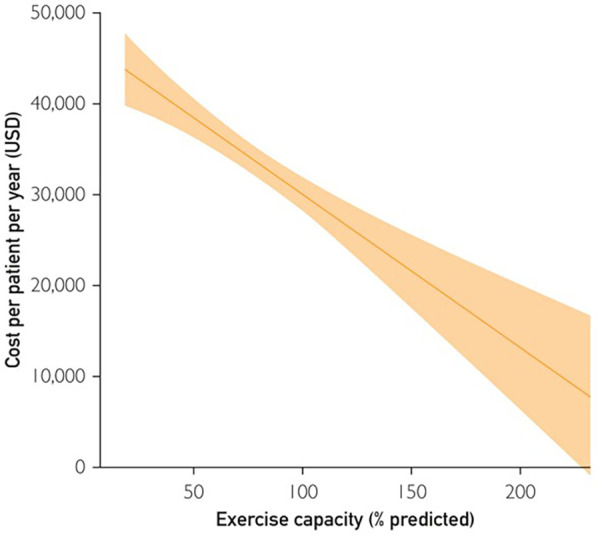
For >30 years, the Exercise Testing and Health Outcomes Study (ETHOS) and the Veterans Exercise Testing Study (VETS) cohorts have contributed significantly to the understanding of the association between cardiorespiratory fitness (CRF), health outcomes, and the prevention of chronic disease. Multiple reports from these studies have consistently shown an inverse and graded association between higher CRF and the incidence of chronic conditions including cardiovascular disease, site-specific cancers, chronic kidney disease, rhythm disturbances, and neurological conditions. In addition, higher CRF is inversely related to health care costs. Among individuals whose CRF level improves over periods of time ranging from 5 to 7 years, improvements in health outcomes have been observed, and the converse is true among those who decrease CRF over time. The Veterans Administration Health Care System (VAHCS) has pioneered electronic medical records that have facilitated epidemiologic research and have provided the foundation for the ETHOS and VETS cohorts. The VAHCS is particularly suited for epidemiologic studies because patients can be accurately traced through VAHCS benefits services. These studies have helped formulate guidelines on exercise testing as well as recommendations from national and international health organizations on physical activity. In addition, they have provided strong support for efforts to reduce sedentary behavior, promote physical activity, and enhance CRF by public health organizations and healthcare systems in order to reduce the risk of chronic disease. This paper outlines the development of the ETHOS and VETS cohorts and highlights key studies contributing to our understanding of CRF as a critical health determinant.
Keywords: cardiorespiratory fitness; cardiovascular disease; epidemiology; exercise testing; exercise testing (CPET).
© 2025 Myers, Kokkinos, Samuel, Faselis, Fletcher and Froelicher.
Conflict of interest statement
The remaining authors declare that the research was conducted in the absence of any commercial or financial relationships that could be construed as a potential conflict of interest. The reviewer FSG declared a past co-authorship with the author JM to the handling editor.
Figures
References
-
- Virani SS, Newby LK, Arnold SV, Bittner V, Brewer LC, Demeter SH, et al. 2023 AHA/ACC/ACCP/ASPC/NLA/PCNA guideline for the management of patients with chronic coronary disease: a report of the American heart association/American college of cardiology joint committee on clinical practice guidelines. Circulation. (2023) 148(9):e9–119. 10.1161/CIR.0000000000001168 - DOI - PubMed
-
- Ross R, Blair SN, Arena R, Church TS, Després JP, Franklin BA, et al. Importance of assessing cardiorespiratory fitness in clinical practice: a case for fitness as a clinical vital sign: a scientific statement from the American heart association. Circulation. (2016) 134(24):e653–99. 10.1161/CIR.0000000000000461 - DOI - PubMed
LinkOut - more resources
Full Text Sources
