


A Case Series on the Efficacy of the Pharmacological Treatment of Lipedema: The Italian Experience with Exenatide
- PMID: 40710038
- PMCID: PMC12293800
- DOI: 10.3390/clinpract15070128
A Case Series on the Efficacy of the Pharmacological Treatment of Lipedema: The Italian Experience with Exenatide
Abstract
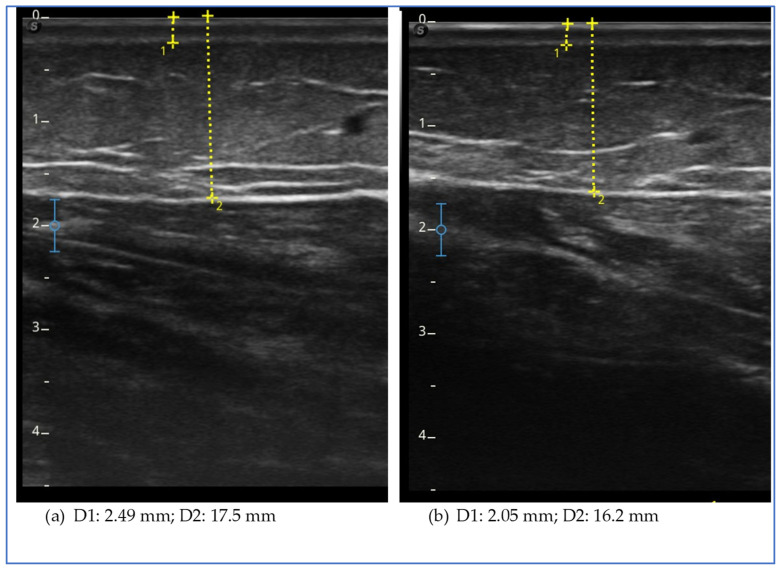
Background: Lipedema is a chronic disease of subcutaneous adipose tissue that predominantly affects women and is frequently associated with endocrinopathies such as insulin resistance and obesity. Its pathogenesis is still unclear, and treatment, which requires a multi-disciplinary approach, is prolonged over time and is not always effective. There is currently no drug treatment available for this disease. Methods: Five different cases of women with lipedema and insulin resistance, treated with Glucagon-Like Peptide-1 Receptor Agonists (GLP-1 RAs) and once-weekly exenatide, in association or not with lifestyle changes (diet or physical activity) for 3 to 6 months are described. Changes in anthropometric parameters, symptoms, clinical findings and the thickness of superficial adipose tissue measured by ultrasound were evaluated. Results: Treatment with exenatide, whether combined with a change in diet or physical activity, resulted in a reduction in the characteristic symptoms of lipedema, in pain evoked by pinching the adipose tissue fold and in the thickness of subcutaneous adipose tissue at the levels of the lower limbs, abdomen and upper limbs. In four out of five cases, a reduction in body weight was observed, particularly during the first three months of treatment and in cases with greater metabolic impairment. Clinical, instrumental and subjective improvements were also observed in cases where there was no reduction in body weight and in patients who had previously undergone lower limb liposuction. Conclusions: The improvement in symptoms and clinical signs of lipedema, in addition to the reduction in adipose tissue in patients with lipedema and insulin resistance with exenatide, suggests a novel pharmacological approach to the disease, which can be combined with other conservative and surgical treatments to promote weight reduction. These results also highlight the association of this disease with metabolic alterations and the fundamental role of an accurate diagnosis followed by the treatment of comorbidities and excess weight in these patients.
Keywords: adipose tissue; drug therapy; exenatide; glucagon-like peptide-1 agonist receptor; inflammation; insulin resistance; lipedema; pain; ultrasound; very-low-calorie ketogenic diet.
Conflict of interest statement
The authors declare no conflicts of interest.
Figures



References
-
- Patton L., Ricolfi L., Bortolon M., Gabriele G., Zolesio P., Cione E., Cannataro R. Observational Study on a Large Italian Population with Lipedema: Biochemical and Hormonal Profile, Anatomical and Clinical Evaluation, Self-Reported History. Int. J. Mol. Sci. 2024;25:1599. doi: 10.3390/ijms25031599. - DOI - PMC - PubMed
LinkOut - more resources
Full Text Sources
