


Evaluating the usefulness of C5 and C5AR1 as genetic biomarkers of IgA-mediated vasculitis
- PMID: 40717085
- PMCID: PMC12296620
- DOI: 10.1186/s10020-025-01313-3
Evaluating the usefulness of C5 and C5AR1 as genetic biomarkers of IgA-mediated vasculitis
Abstract
Background: IgA-mediated vasculitis (IgAV) is a complex inflammatory disease. Unravelling its genetic background would allow us to identify genetic biomarkers that may be used as additional tools in its daily management, helping to solve the clinical challenge that this vasculitis entails. C5 is a potent immune mediator that is proteolytically processed to generate C5a, a potent anaphylatoxin that exerts its function via C5aR1. C5 downstream variants (rs3761847 and rs10818488) have been recently related to IgAV pathogenesis. Additionally, C5a and C5aR1 dysregulation contributes to the development of inflammatory diseases, and, particularly, elevated C5a plasma levels have been observed in IgAV patients in the acute stage. Accordingly, we aimed to evaluate the influence of C5 and C5AR1 on the pathophysiology of IgAV.
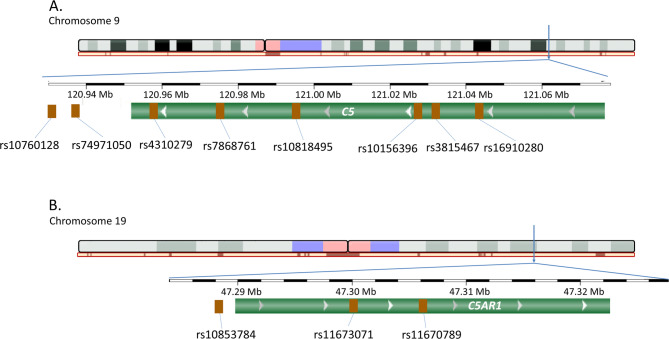
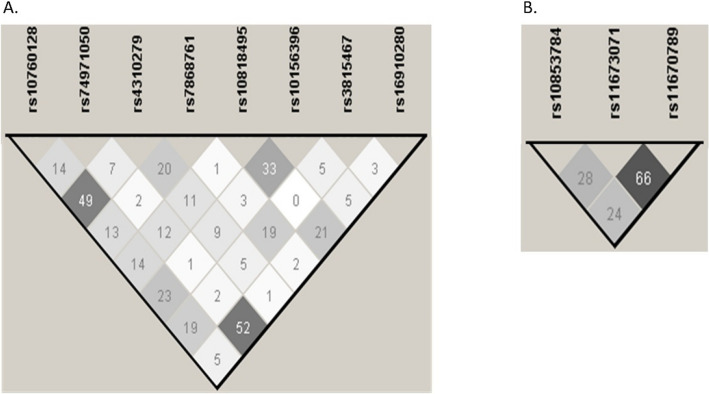
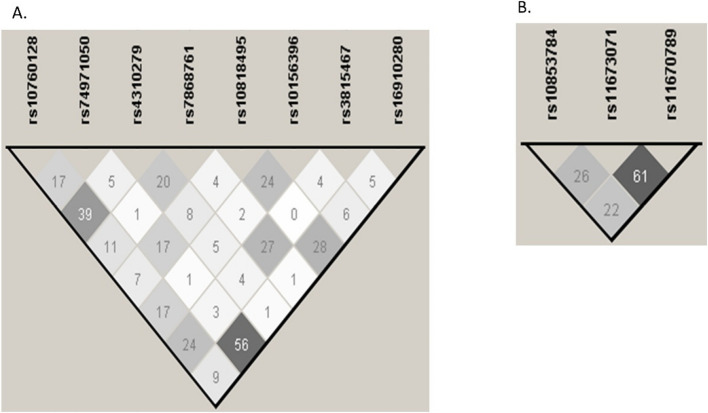
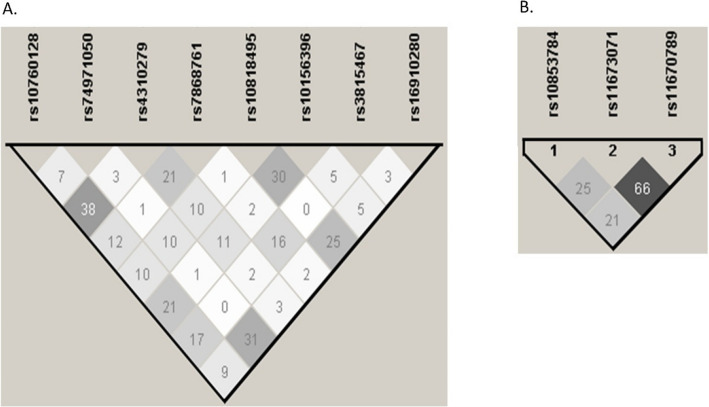
Methods: Eight C5 (rs10760128, rs74971050, rs4310279, rs7868761, rs10818495, rs10156396, rs3815467, and rs16910280) and three C5AR1 (rs10853784, rs11673071, and rs11670789) tag variants were genotyped in 342 Caucasian IgAV patients and 723 ethnically matched healthy controls.
Results: No statistically significant differences were observed when C5 and C5AR1 frequencies were compared between IgAV patients and healthy controls. Likewise, similar C5 and C5AR1 frequencies were observed amongst IgAV patients stratified according to IgAV severity (presence/absence of nephritis). Furthermore, no C5 and C5AR1 differences were disclosed when IgAV patients were stratified according to demographic and clinical IgAV characteristics other than nephritis (age at disease onset, presence/absence of joint and gastrointestinal manifestations) and sex.
Conclusions: Our results suggest that C5 and C5AR1 are not related to IgAV pathogenesis and, therefore, these genes may not be useful as IgAV genetic biomarkers.
Keywords: C5; C5AR1; Biomarkers; Genetics; IgA Vasculitis.
© 2025. The Author(s).
Conflict of interest statement
Declarations. Ethics approval and consent to participate:: All the patients diagnosed with IgAV, and healthy controls gave written informed consent before their inclusion in our study. Likewise, methods were carried out following the ethical standards of the approved guidelines and regulations, according to the Declaration of Helsinki, and the study was also approved by the Clinical Research Ethics Committee of Cantabria, Spain (protocol code 15/2012). Consent for publication: Not applicable. Competing interests: The authors declare no competing interests.
Figures
References
-
- Audemard-Verger A, Pillebout E, Guillevin L, Thervet E, Terrier B. IgA vasculitis (Henoch-Shönlein purpura) in adults: Diagnostic and therapeutic aspects. Autoimmun Rev. 2015;14(7):579–85. - PubMed
-
- Audemard-Verger A, Terrier B, Dechartres A, Chanal J, Amoura Z, Le Gouellec N, et al. Characteristics and Management of IgA Vasculitis (Henoch-Schönlein) in Adults: Data From 260 Patients Included in a French Multicenter Retrospective Survey. Arthritis Rheum. 2017;69(9):1862–70. - PubMed
-
- Blanco R, Martínez-Taboada V, Rodríguez-Valverde V, García-Fuentes M, González-Gay M. Henoch-Schonlein purpura in adulthood and childhood: Two different expressions of the same syndrome. Arthritis Rheum. 1997;40(5):859–64. - PubMed
MeSH terms
Substances
Grants and funding
LinkOut - more resources
Full Text Sources
Medical
Miscellaneous
