


Clinician and patient perceptions around implementing remote blood pressure monitoring for hypertensive disorders of pregnancy: A survey-based study
- PMID: 40718404
- PMCID: PMC12290385
- DOI: 10.1177/20552076251317567
Clinician and patient perceptions around implementing remote blood pressure monitoring for hypertensive disorders of pregnancy: A survey-based study
Abstract
Objective: Remote blood pressure monitoring (RBPM) is a promising method for surveilling hypertensive disorders of pregnancy (HDP). This refers to an organised framework in which clinicians can review and manage patient-obtained blood pressure recordings. Successful integration of RBPM into routine antenatal care necessitates understanding patient and clinician perspectives of its use. This study sought to evaluate the perceptions of high-risk pregnant women and clinicians regarding RBPM's use in HDP surveillance.
Methods: A web-based questionnaire was distributed to pregnant women in South Western Sydney and clinicians across Australia and New Zealand. Quantitative Likert scales and qualitative open-ended questions were used to ascertain perceptions about RBPM for the surveillance of HDP.
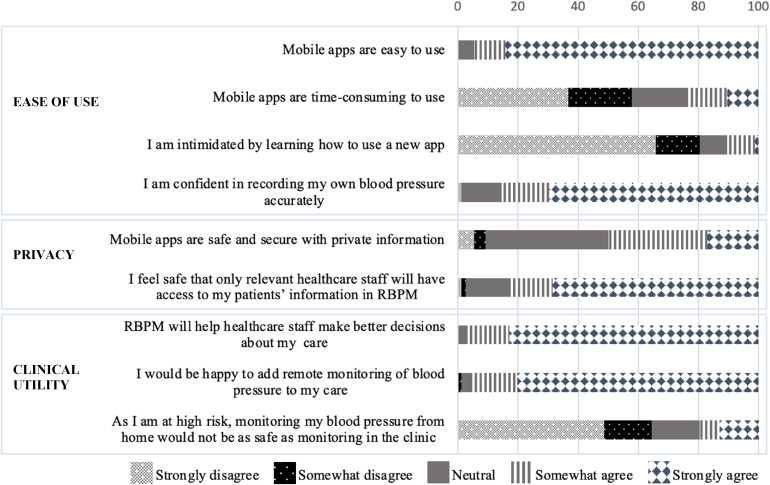
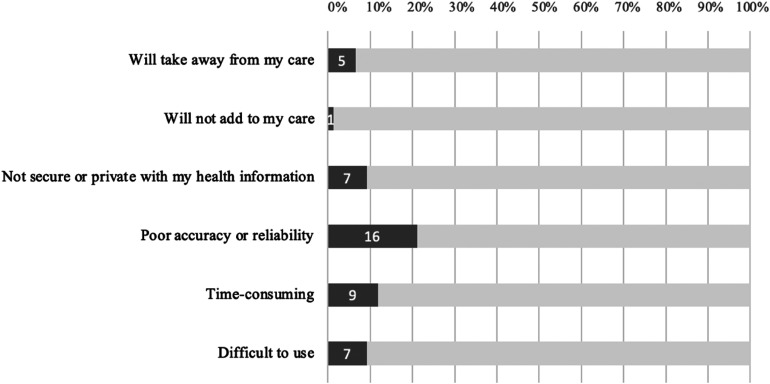
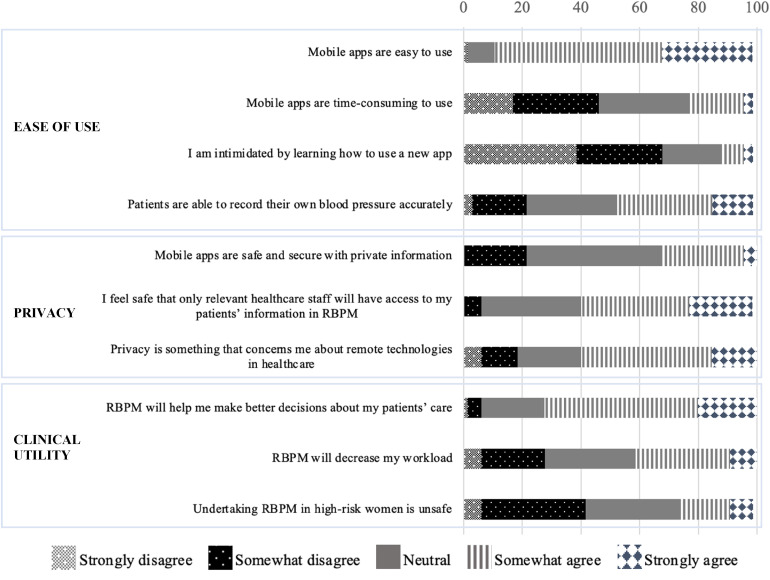
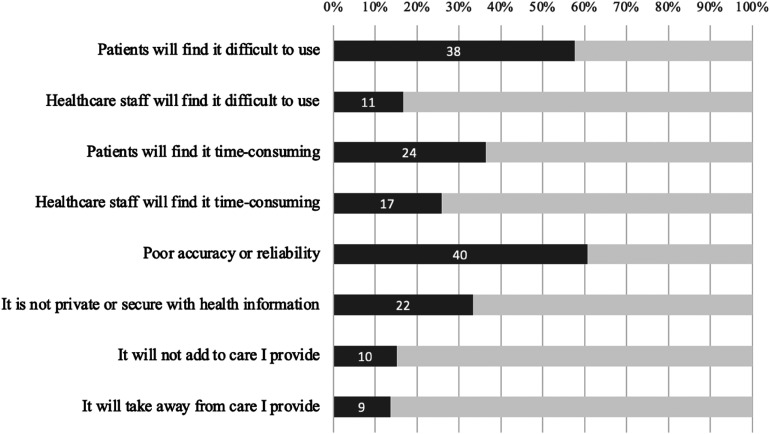
Results: Seventy-six women responded to the patient survey, with a response rate of 74.5%. A total of 65 clinicians responded to the healthcare professional survey. Almost all women (97.4%) supported RBPM's potential to aid healthcare decisions, with 96.1% willing to incorporate RBPM into antenatal care. Linear regression revealed implementation of RBPM was particularly supported by women who had less time off from paid employment during their pregnancy (p < 0.001). Conversely, women from non-English-speaking backgrounds and lower-income groups perceived RBPM as more challenging to use (p = 0.011 and p = 0.017, respectively). Most clinicians were concerned about the security of data transfer and storage interfaces. Poor accuracy or reliability of the technology emerged as a common barrier amongst both women and clinicians. Free-text responses revealed novel themes including accountability of care and medicolegal ramifications.
Conclusion: Though socioeconomic status, ethnicity and language influenced perceptions towards RBPM; overall, Australian pregnant women and clinicians are broadly receptive to its use in antenatal care. Successful implementation of RPBM requires careful evaluation of design and workflow to accommodate for patient diversity, ease of use, compliance, privacy and clinical utility to optimise the user experience.
Keywords: Antenatal; hypertensive disorders of pregnancy; pregnant women; questionnaire; remote blood pressure monitoring; survey.
© The Author(s) 2025.
Conflict of interest statement
The authors declared no potential conflicts of interest with respect to the research, authorship and/or publication of this article.
Figures
References
-
- Excellence NIfHaC. Hypertension in pregnancy: diagnosis and management NICE guideline [NG133]. 2019.
-
- Shanmugalingam R, Wang X, Motum P, et al. Clinical influence of nonadherence with prophylactic aspirin in preventing preeclampsia in high-risk pregnancies: a multicenter, prospective, observational cohort study. Hypertension 2020; 75: 1125–1132. - PubMed
LinkOut - more resources
Full Text Sources
