


From biologging to conservation: Tracking individual performance in changing environments
- PMID: 40720657
- PMCID: PMC12337290
- DOI: 10.1073/pnas.2410947122
From biologging to conservation: Tracking individual performance in changing environments
Abstract
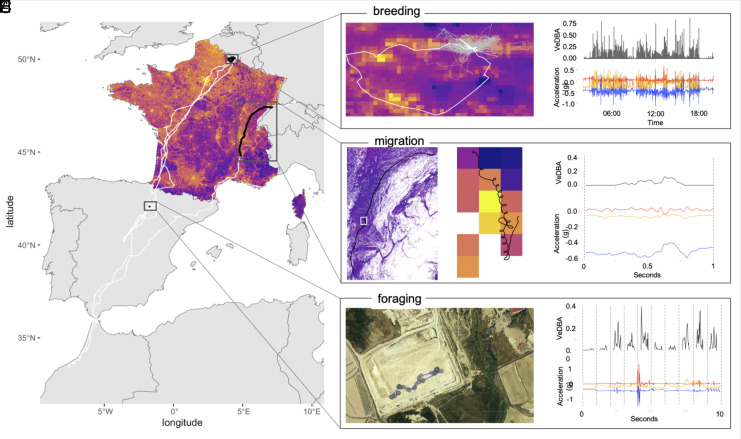
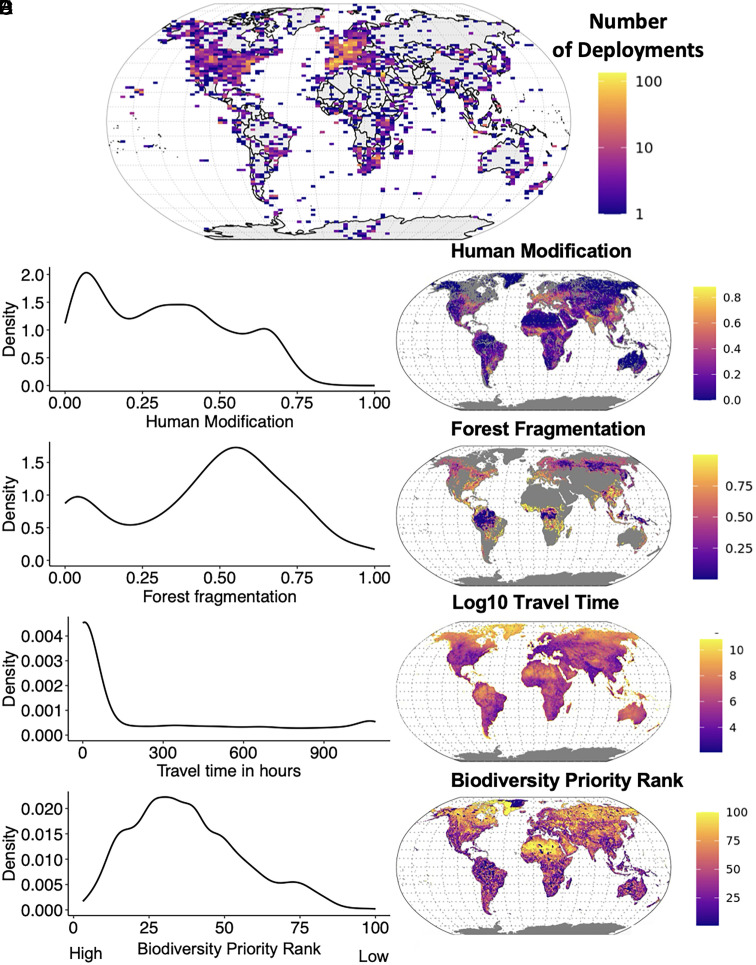
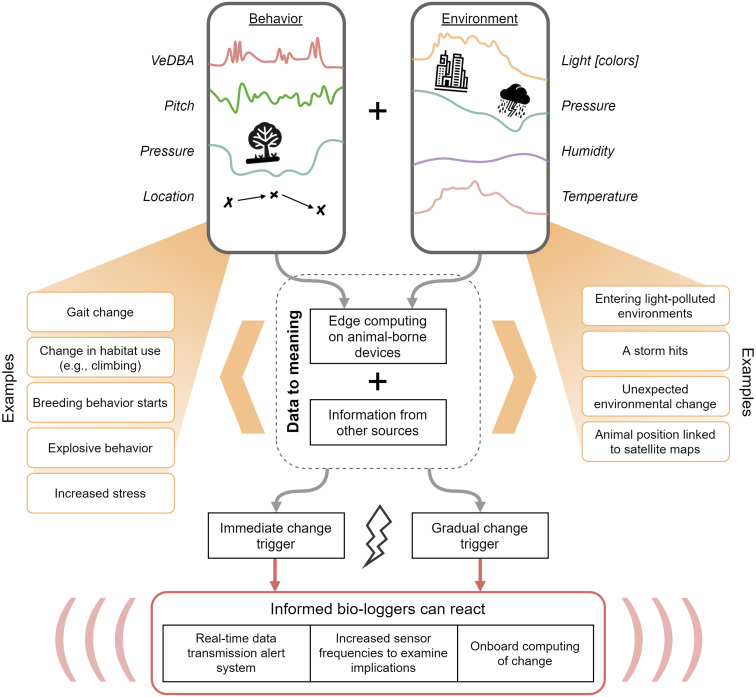
Under an accelerating biodiversity crisis, increased urbanization, habitat fragmentation, and climate change require new approaches to assess conservation impact. We argue that animal biologging is a cost-effective method for monitoring biodiversity at its source, including tracked animals and the habitats they occupy. Biologging, or animal-mounted sensors to record data, can act as a reporting, measurement, and verification system, and deliver direct insights into environments of selection. Using a case study of migrating white storks (Ciconia ciconia), we show that biologging yields real-time measurements of individual performance, mechanistic insights into environments of selection, and the potential for gene flow across anthropogenically influenced habitats. These insights can inform the success of biodiversity targets and conservation initiatives and improve real-time species management. At the global scale, we further illustrate that biologging studies display substantial bias in the types of environments and human conditions sampled. Studies appear biased toward sparsely populated areas and remain particularly rare in highly urbanized areas, areas experiencing high rates of recent forest fragmentation, and key areas for global biodiversity conservation efforts. We highlight the need for equitable access to technology to leverage the biodiversity potential of biologging in the Global South. Advances in software-defined tracking technology will soon give real-time information on energy budgets, survival, reproduction, and ultimately demographic processes and population-level parameters. When deployed into areas most needed, biologging can operationalize access to key measures of biodiversity maintenance such as gene flow, especially in difficult-to-access areas that are key to the future persistence of a species.
Keywords: animal behavior; biodiversity; conservation; global conservation targets; movement ecology.
Conflict of interest statement
Competing interests statement:The authors declare no competing interest.
Figures
References
-
- Díaz S., et al. , Pervasive human-driven decline of life on Earth points to the need for transformative change. Science 366, eaax3100 (2019). - PubMed
-
- Convention on Biological Diversity, First draft of the Post-2020 Global Biodiversity Framework CBD/WG2020/3/3 (2021).
-
- de Wit L. A., et al. , Co-benefits from species-level conservation contribute to multilateral environmental agreement targets. Conserv. Lett. 18, e13072 (2025), 10.1111/conl.13072. - DOI
-
- Watson J. E. M., Dudley N., Segan D. B., Hockings M., The performance and potential of protected areas. Nature 515, 67–73 (2014). - PubMed
-
- Pringle R. M., Upgrading protected areas to conserve wild biodiversity. Nature 546, 91–99 (2017). - PubMed
MeSH terms
Grants and funding
LinkOut - more resources
Full Text Sources
