


Prevalence and associated factors of chronic pain among nurses: a national cross-sectional study
- PMID: 40721785
- PMCID: PMC12306093
- DOI: 10.1186/s12912-025-03605-9
Prevalence and associated factors of chronic pain among nurses: a national cross-sectional study
Abstract
Background: Musculoskeletal pain is common among nurses and can lead to absenteeism, reduced productivity and impaired physical and mental health. Long-term pain may develop into chronic pain, which is a more serious and longer-lasting condition that will cause further harm to nurses' health. Therefore, this study aims to investigate the prevalence and characteristics of chronic pain and its associated factors among nurses in tertiary hospitals in China.
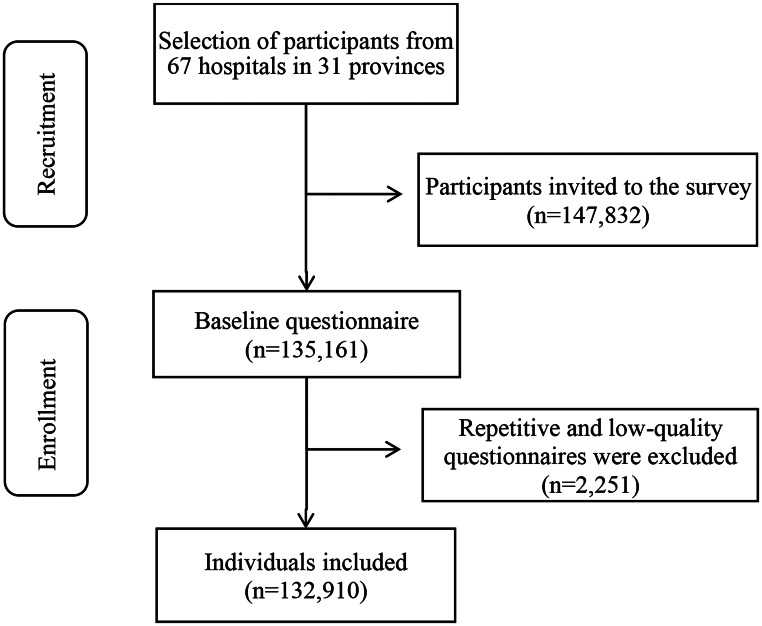
Methods: This was a multicentre cross-sectional study of 147,832 nurses from 67 tertiary hospitals in China between December 2023 and January 2024, using cluster sampling and online methods. This study was a secondary analysis of the Nurses' Mental Health Study. The variables included sociodemographic information (sex, age, ethnicity, etc.), work-related information (professional title, years of working, department, etc.), and chronic pain characteristics (presence of chronic pain and site of pain). The study followed the STROBE guidelines. Statistical analyses included descriptive, chi-square test and binary logistic regression.
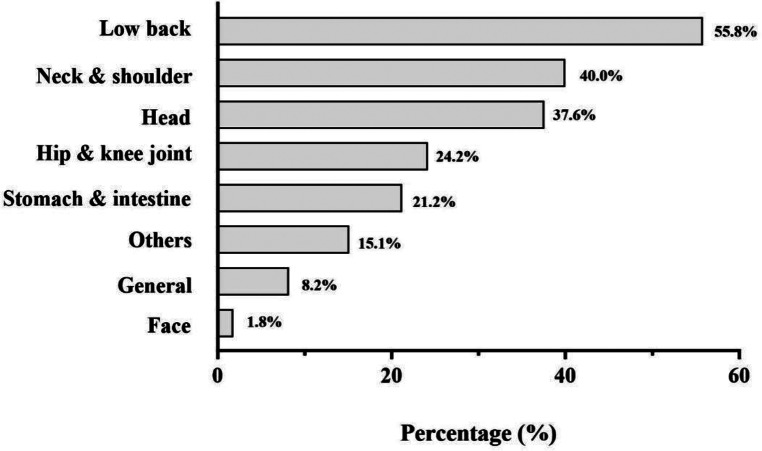
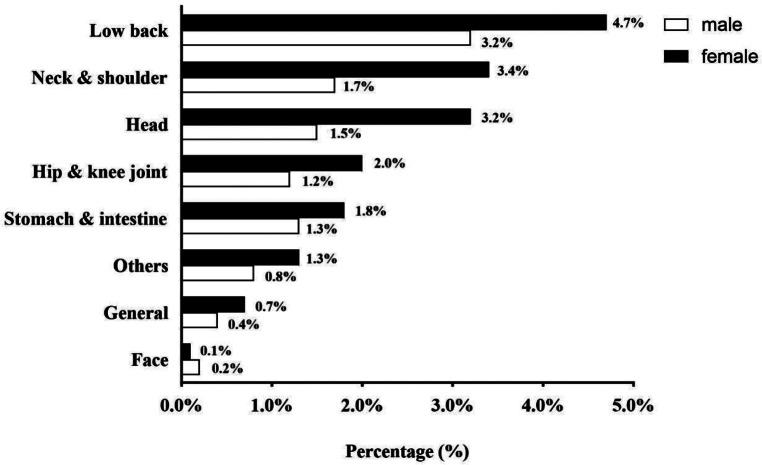
Results: The prevalence of chronic pain among the participants was 8.2%, with the most common sites of pain being the low back (55.8%), neck and shoulder (40.0%), and head (37.6%). Factors associated with chronic pain in nurses included sex, age, ethnicity, education level, marital status, body mass index, weekly working hours, years of working, night shift, and exercise habit. Additionally, we analysed subgroups by different groups of sex, age, type of work, and night shifts. After comparing all binary logistic regression analyses, it was found that age > 40 years [odds ratio (OR) = 3.01], marital status (separated, widowed, or divorced) [OR = 1.64], body mass index ≥ 24 [OR = 1.27], working over 48 h per week [OR = 1.32], and no exercise habits [OR = 1.21] were stable risk factors for chronic pain in the nurse population.
Conclusion: Nurses' occupational health is vital for the quality and safety of patient care. This study underscores the need for targeted interventions (e.g., ergonomics training and education, work environment enhancement, shift optimization, healthy lifestyle promotion) to reduce chronic pain in nurses. Our findings may help provide a foundation for the prevention and management of chronic pain in nurses.
Clinical trial registration number: Not applicable. This study was not a clinical trial.
Keywords: Chronic pain; Nurses; Occupational health; Prevalence; Risk factor.
© 2025. The Author(s).
Conflict of interest statement
Declarations. Ethics approval and consent to participate: This study was approved by the Ethics Committee of the Second Xiangya Hospital of Central South University (LYF20230048), and the rules and procedures of the Declaration of Helsinki were followed during the study. All participants received informed consent forms, only those who agreed started the questionnaire and they had the right to choose to continue or withdraw from the study at any point in time. Consent for publication: Not applicable. Competing interests: The authors declare no competing interests.
Figures
References
-
- Lu YM, Lei J, You HJ. Research progress on pain mechanism and non-pharmacological treatment after skeletal muscle injury. Chin J Pain Med. 2023;29(02):138–43.
-
- Wang K, Zeng X, Li J, Guo Y, Wang Z. The prevalence and risk factors of work-related musculoskeletal disorders among nurses in China: a systematic review and meta-analysis. Int J Nurs Stud. 2024;157:104826. - PubMed
-
- Shahsavari D, Sobani ZA. New insight into endoscopic work-related musculoskeletal disorders (WRMD): why repeated motions damage. Dig Dis Sci. 2023;68(3):716–7. - PubMed
-
- Chen XH, Li N. Investigation on occupational low back pain protection of ICU nurses in 3A grade hospitals. Fujian Med J. 2017;39(01):149–50.
Grants and funding
LinkOut - more resources
Full Text Sources
