


Paternal and/or Maternal Blackberry (Rubus spp.) Polyphenolic Extract Consumption Improved Paternal Fertility and Differentially Affected Female Offspring Antioxidant Capacity and Metabolic Programming in a Mouse Model
- PMID: 40722883
- PMCID: PMC12291980
- DOI: 10.3390/antiox14070779
Paternal and/or Maternal Blackberry (Rubus spp.) Polyphenolic Extract Consumption Improved Paternal Fertility and Differentially Affected Female Offspring Antioxidant Capacity and Metabolic Programming in a Mouse Model
Abstract
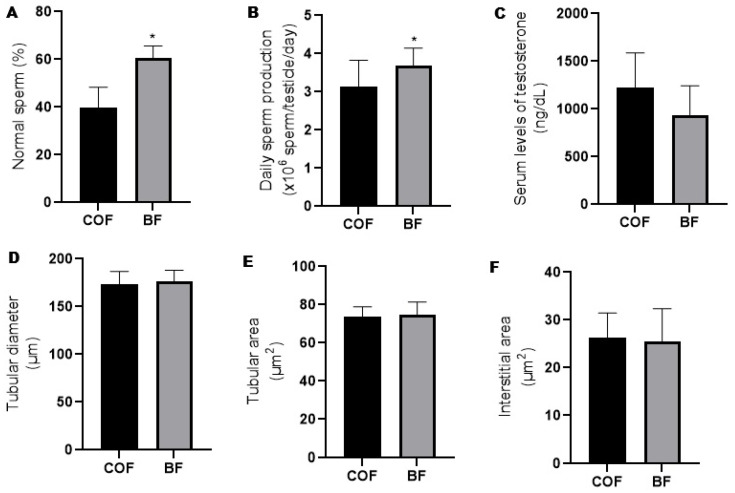
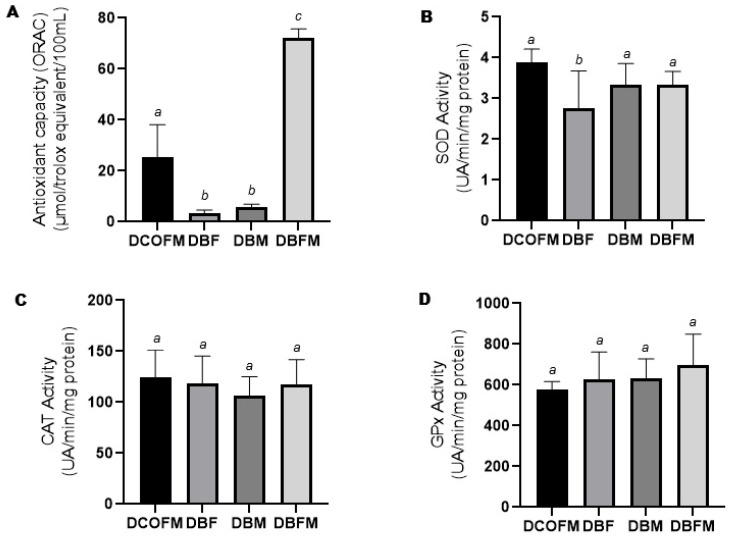
Dietary polyphenols' role in early life is not clear. While accumulating studies show both beneficial and deleterious effects of maternal consumption of these bioactive compounds on offspring's adult health, very few studies have focused on the impact of paternal consumption. In addition, the potential interaction of combined parental polyphenol consumption is still not known. Thus, the aim of the present study was to investigate the effects of maternal (gestation/lactation) and/or paternal (preconception) blackberry polyphenol (anthocyanins, ellagitannins, and quercetin) methanolic extract consumption on C57BL/6 female mice offspring. Blackberry polyphenol consumption by fathers improved their sperm production and increased fertility. Blackberry polyphenol consumption by fathers, but not mothers, increased their plasma antioxidant capacity. All parental interventions decreased offspring perinatal mortality, with combined fathers' and mothers' polyphenol consumption exerting the most pronounced effects. Paternal or maternal polyphenol consumption decreased plasma total antioxidant capacity in the female offspring. On the other hand, combined parental consumption had opposing effects on the offspring. Only maternal polyphenol interventions increased glucose tolerance in the female offspring. These data only partially confirm our hypothesis that combined paternal and maternal polyphenol intervention would lead to better outcomes in the offspring. These results further show that blackberry polyphenols' effects on offspring health depend on whether their consumption occurred through the father, mother, or both. This suggests that in order to promote long-term health in descendants, nutritional interventions, including those with polyphenols, should target not only the mother but also the future father.
Keywords: DOHaD; POHaD; blackberry; mice; polyphenols; reproduction.
Conflict of interest statement
The authors declare no conflicts of interest.
Figures

References
-
- Chedea V.S., Tomoiagǎ L.L., Macovei Ş.O., Mǎgureanu D.C., Iliescu M.L., Bocsan I.C., Buzoianu A.D., Voşloban C.M., Pop R.M. Antioxidant/pro-oxidant actions of polyphenols from grapevine and wine by-products-base for complementary therapy in ischemic heart diseases. Front. Cardiovasc. Med. 2021;8:750508. doi: 10.3389/fcvm.2021.750508. - DOI - PMC - PubMed
Grants and funding
LinkOut - more resources
Full Text Sources
Miscellaneous
