


Skin Photoaging and the Biological Mechanism of the Protective Effects of Hesperidin and Derived Molecules
- PMID: 40722892
- PMCID: PMC12291662
- DOI: 10.3390/antiox14070788
Skin Photoaging and the Biological Mechanism of the Protective Effects of Hesperidin and Derived Molecules
Abstract
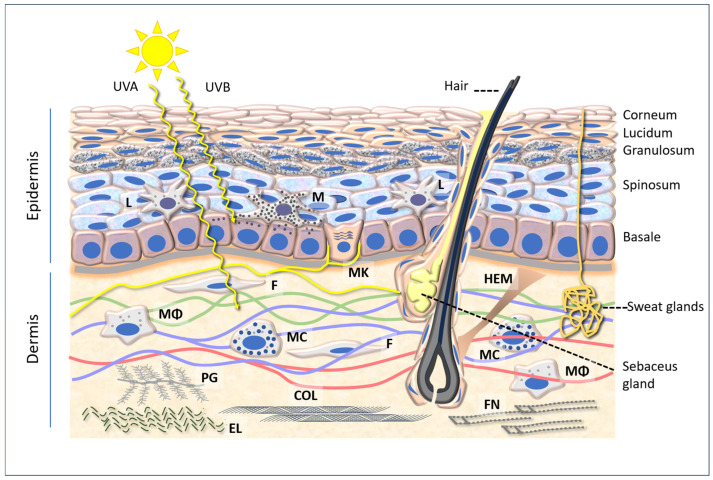
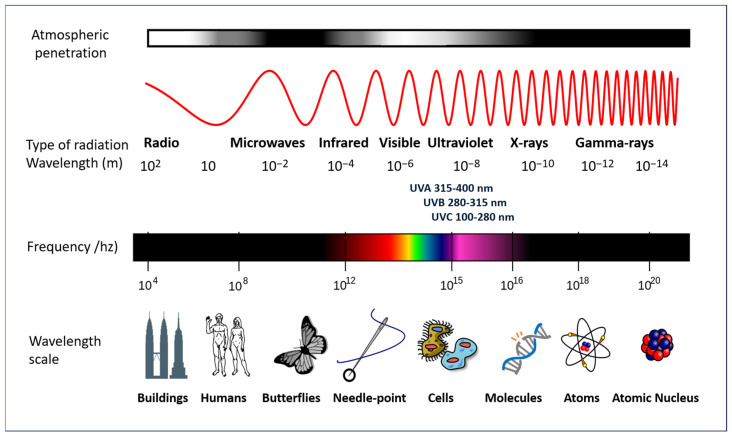
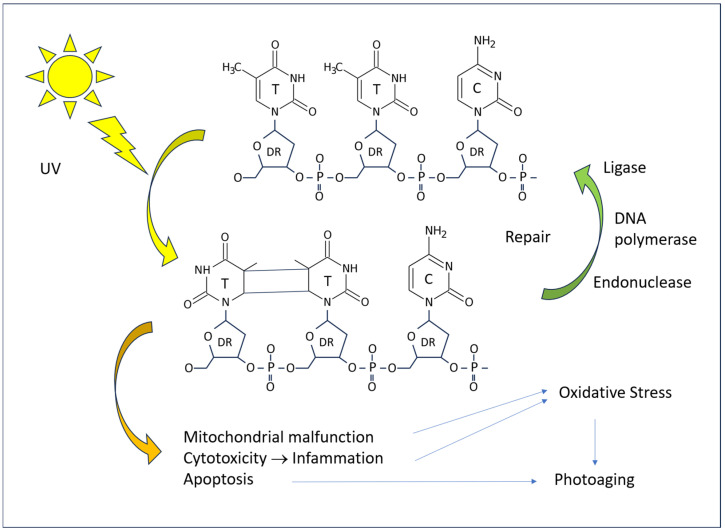
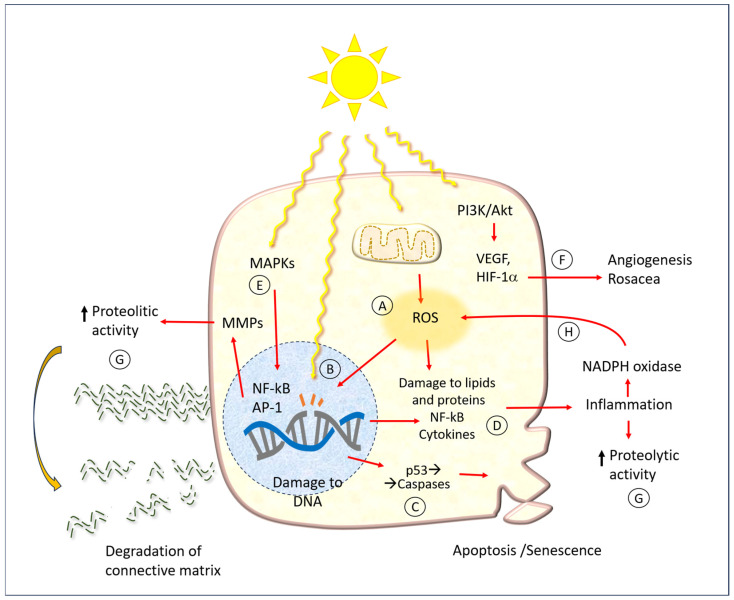
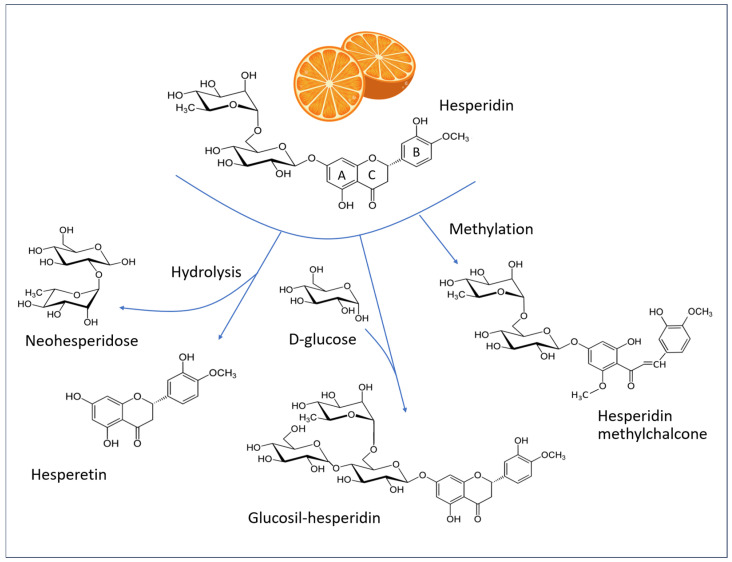
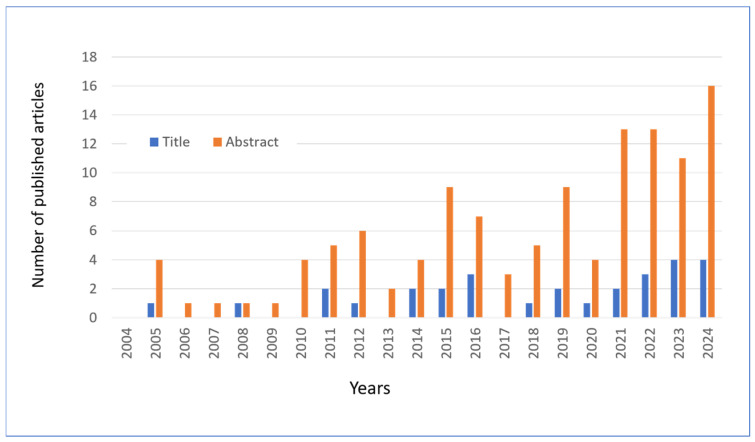
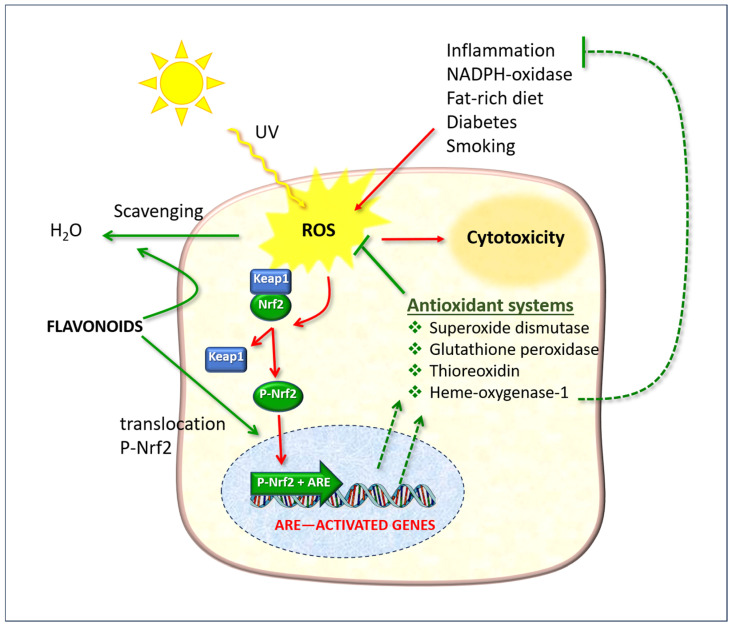
The ultraviolet (UV) component of solar radiation is a major risk factor for the development of skin ailments, ranging from erythema in acute cases to premature skin aging and skin cancer in chronic reactions. While skin cells show a remarkable protective capacity against solar radiation, there is a growing interest in the use of natural substances for photoprotection purposes. This article describes the molecular and cellular mechanisms underlying UV radiation-induced skin aging, with a particular focus on the potential beneficial effects of hesperidin and its derivatives: hesperetin, hesperidin glucoside, and hesperidin methylchalcone. A review of the literature from the last 20 years reveals a substantial body of experimental evidence supporting the role of hesperidin in protecting the skin against UV radiation, and its effects on skin cells and tissue, including oxidative stress and aging processes. Moreover, flavonoids have other beneficial effects on skin cell vitality by modulating the immune system, metalloproteinases, and angiogenesis. The key mechanisms for the action of hesperidin and its derivatives involve the activation of the Nrf-2/ARE system, the expression of longevity genes CISD2, and interference with the MAP kinase and PI3PK/Akt signal transduction pathways. In murine experimental models, these derivative molecules have a protective role both systemically after dietary intake and through the topical application of dermocosmetic creams.
Keywords: UV radiation; flavonoids; hesperetin; hesperidin; longevity; skin photoaging.
Conflict of interest statement
The authors consulted with Vanda Omeopatici s.r.l. (Roma, Frascati), a company which produces food supplements and cosmeceuticals, but that company had no role in the design of the study; in the collection, analyses or interpretation of the data; in the writing of the manuscript; or in the decision to publish the results.
Figures
References
Publication types
LinkOut - more resources
Full Text Sources
