


Enhancing Pediatric Outpatient Medical Services Through the Implementation of the Smart Well Child Center Application
- PMID: 40724701
- PMCID: PMC12294468
- DOI: 10.3390/healthcare13141676
Enhancing Pediatric Outpatient Medical Services Through the Implementation of the Smart Well Child Center Application
Abstract
Background: Caregivers of children often encounter barriers when accessing pediatric healthcare services. These challenges highlight the need for digital innovations to improve accessibility and efficiency in pediatric outpatient care.
Objectives: This study aimed to design, implement, and pilot evaluate the Smart Well Child Center application in conjunction with enhancements to the Pediatric Outpatient Department.
Methods: This study employs a mixed-methods research approach. The application was developed following the system development life cycle (SDLC) process, and its performance was subsequently evaluated. Additionally, its effectiveness in real-world settings was assessed through a satisfaction survey completed by 85 child caregivers. The results were summarized using the mean and standard deviation, and satisfaction levels were compared using paired t-test and repeated measures ANOVA.
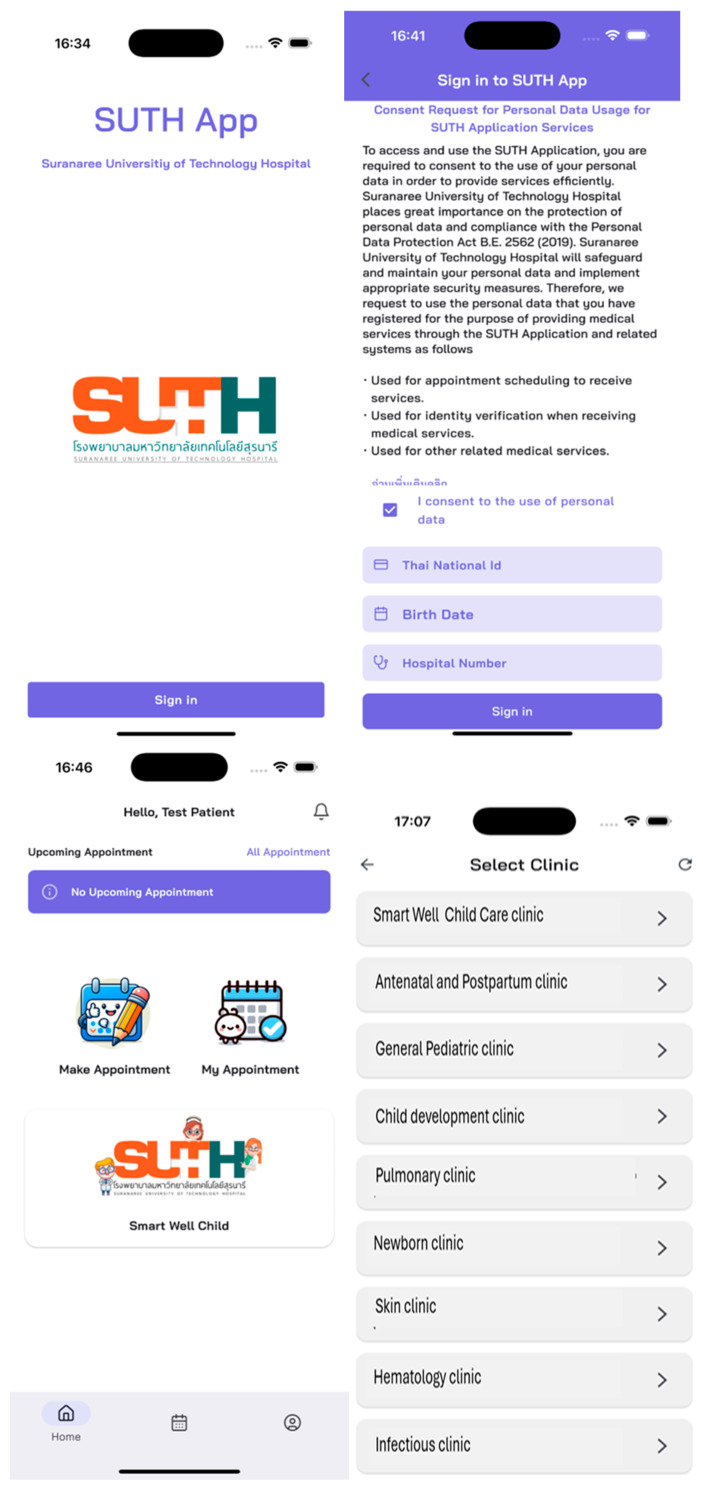
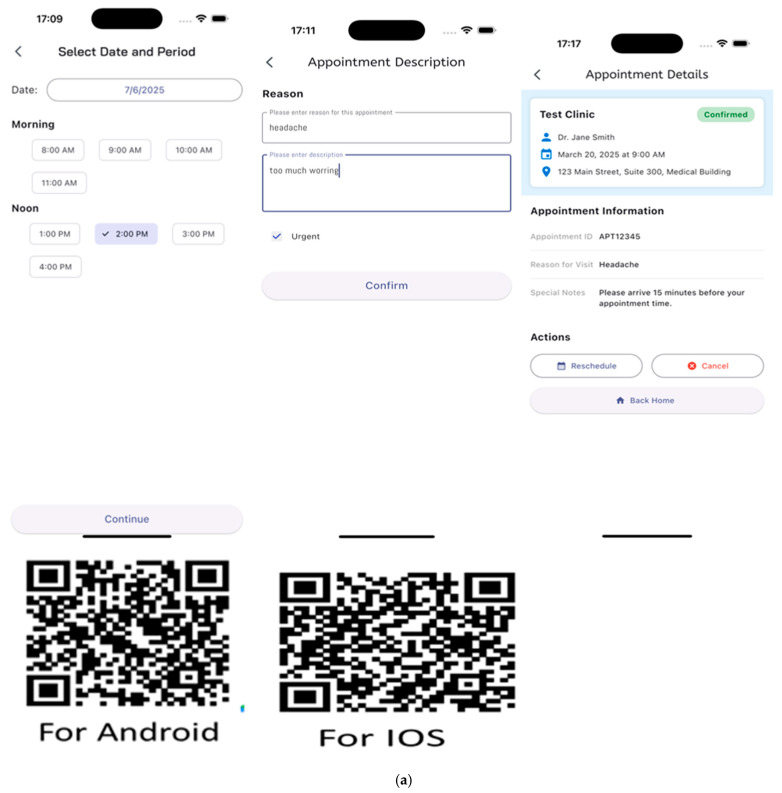
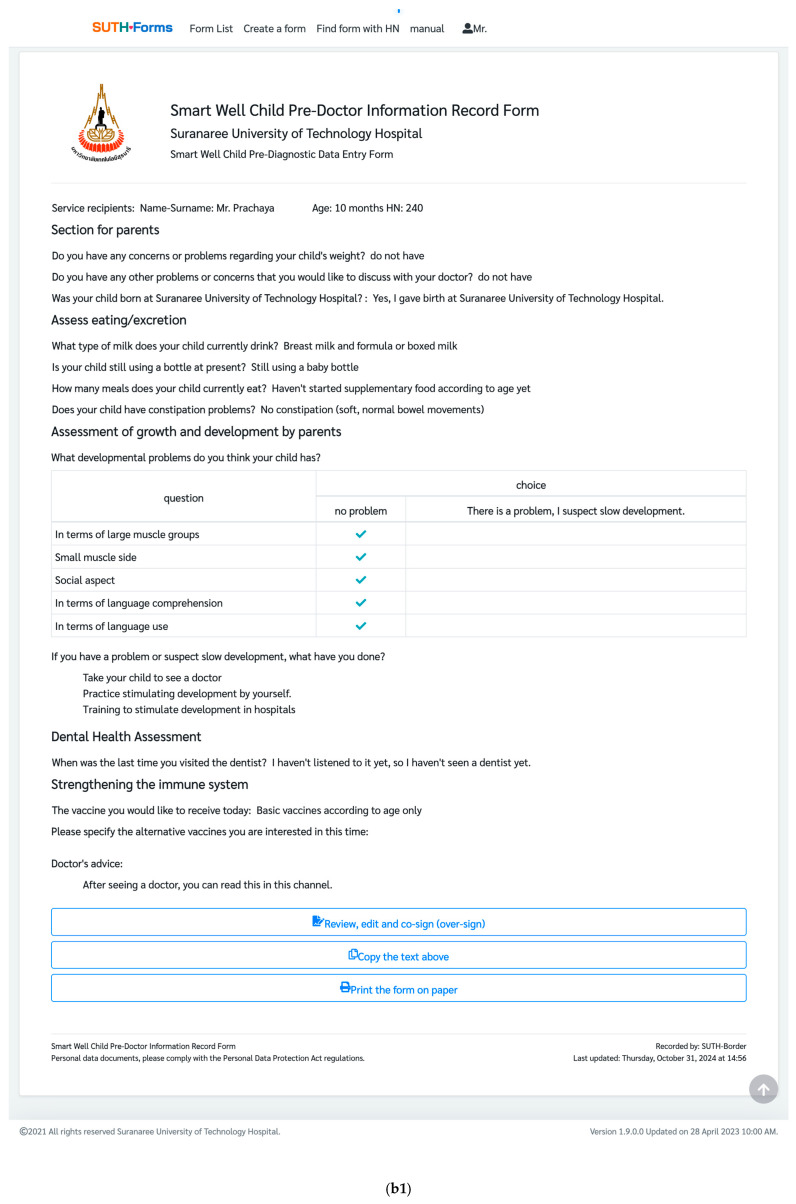
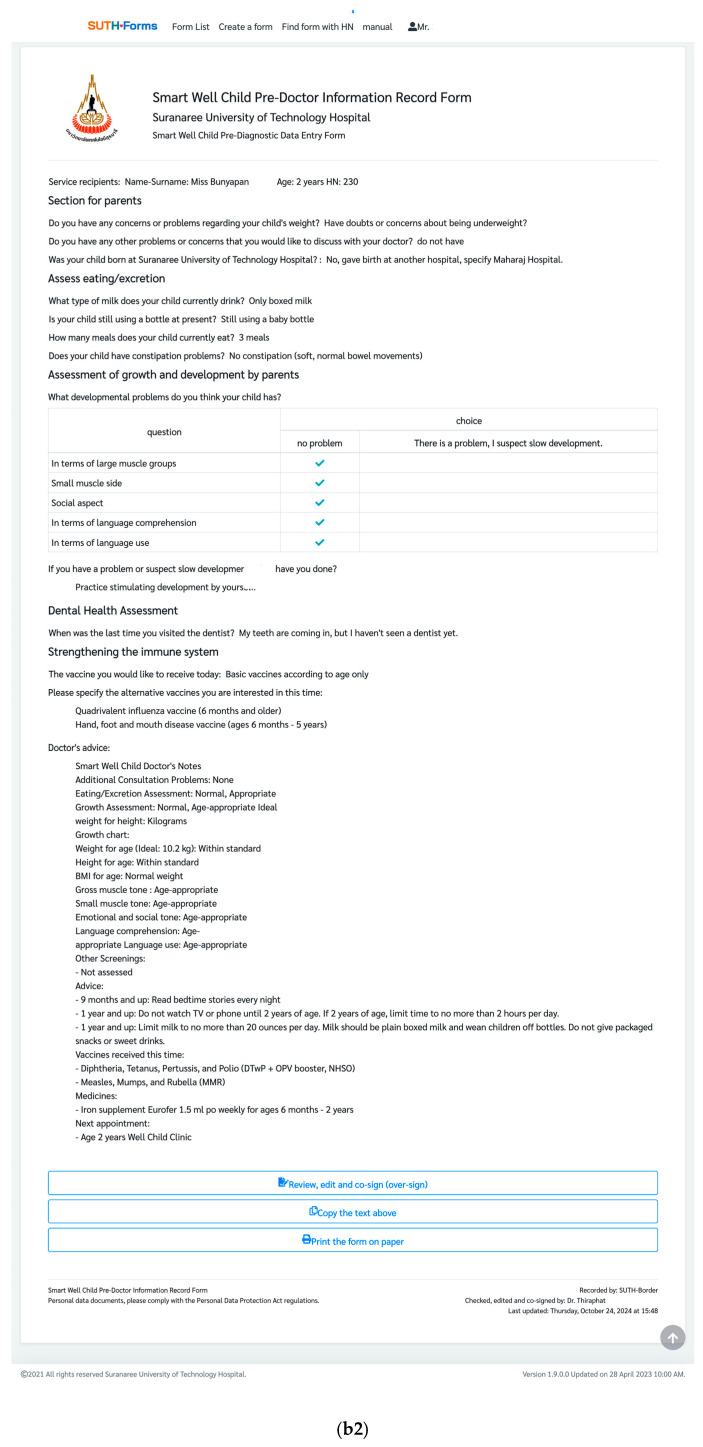
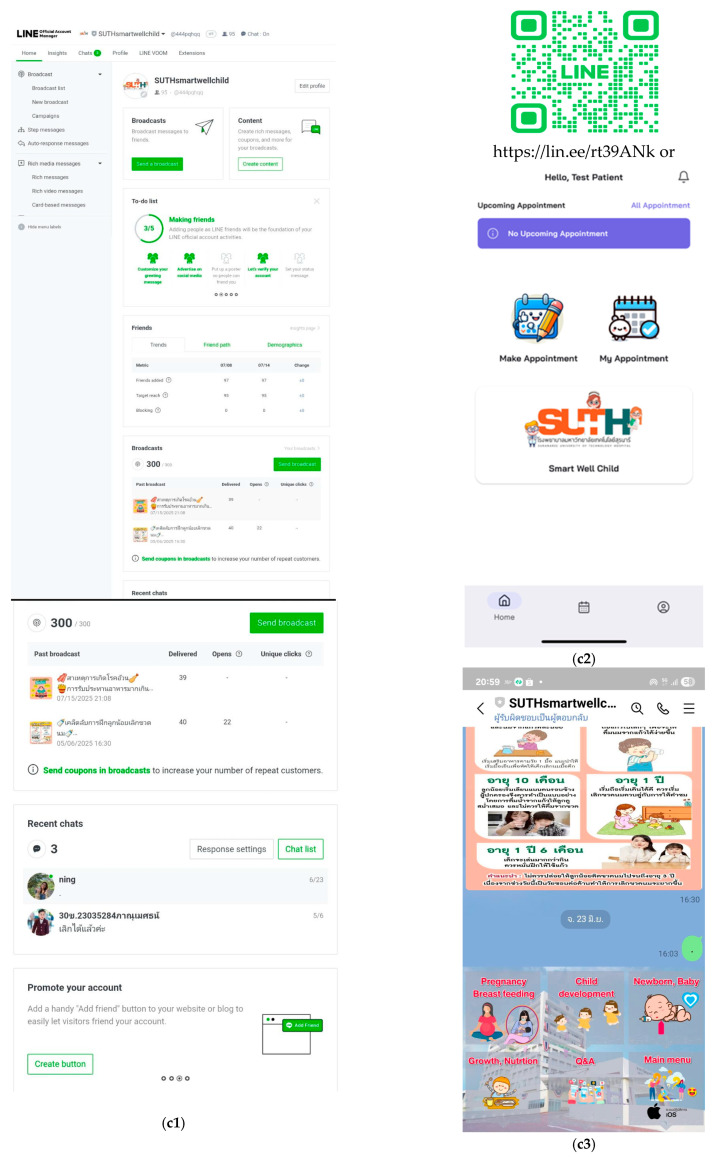
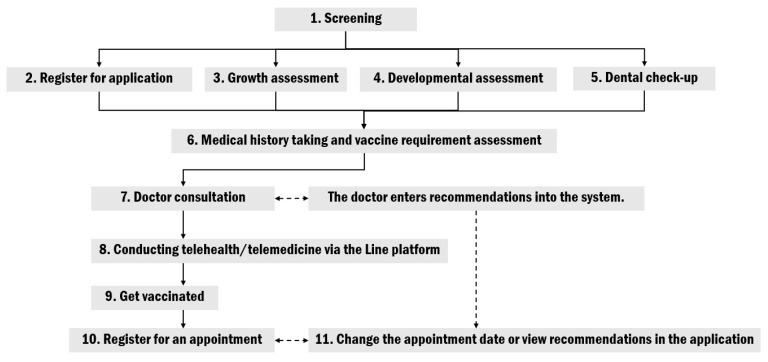
Results: The findings reveal that caregivers face significant challenges, including financial burdens related to travel, prolonged wait times, and difficulties accessing healthcare services. In response, the application was designed to incorporate key functionalities. Within the pre-consultation self-assessment module, caregivers can complete evaluations and receive recommendations directly through the application. Furthermore, the service procedure flowchart was restructured to seamlessly integrate these digital innovations, thereby enhancing the overall healthcare experience. The evaluation results indicate that the application achieved high performance ratings across all assessed dimensions (4.06 ± 0.77). Additionally, caregivers reported a substantial increase in satisfaction levels both immediately after implementation (4.58 ± 0.57) and one month afterward (4.59 ± 0.33).
Conclusions: Given these findings, it is recommended that the hospital fully adopt the Smart Well Child Center application to improve healthcare accessibility and reduce patient wait times. Future research should assess the long-term impact of the intervention on both caregiver outcomes and healthcare professional workflow, satisfaction, and system usability, to inform broader implementation strategies.
Keywords: Well Child Center; application development; pediatric outpatient department.
Conflict of interest statement
All authors declare that they have no conflicts of interest.
Figures
References
-
- Hagan J.F., Shaw J., Duncan P. Bright Futures. Volume 1 American Academy of Pediatrics; Itasca, IL, USA: 2017.
-
- Lerdpiromluk S., Youdyoung S., Duangdech W. Quality Improvement of the Well-Child Clinic Care Model on Parental Health Literacy and Child Health Outcomes. Nurs. J. CMU. 2024;51:204–222.
LinkOut - more resources
Full Text Sources
