


Inhibition of FAK promotes pancreatic cancer immunotherapy by mediating CXCL10 secretion to enhance CD8+ T cell infiltration
- PMID: 40726089
- PMCID: PMC12309540
- DOI: 10.1080/2162402X.2025.2539442
Inhibition of FAK promotes pancreatic cancer immunotherapy by mediating CXCL10 secretion to enhance CD8+ T cell infiltration
Abstract
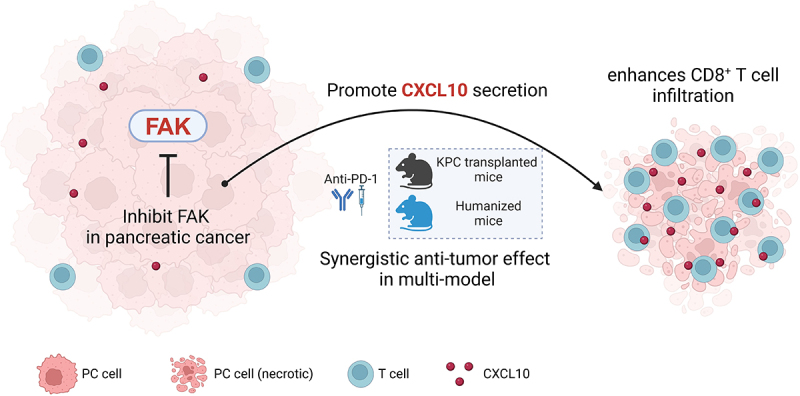
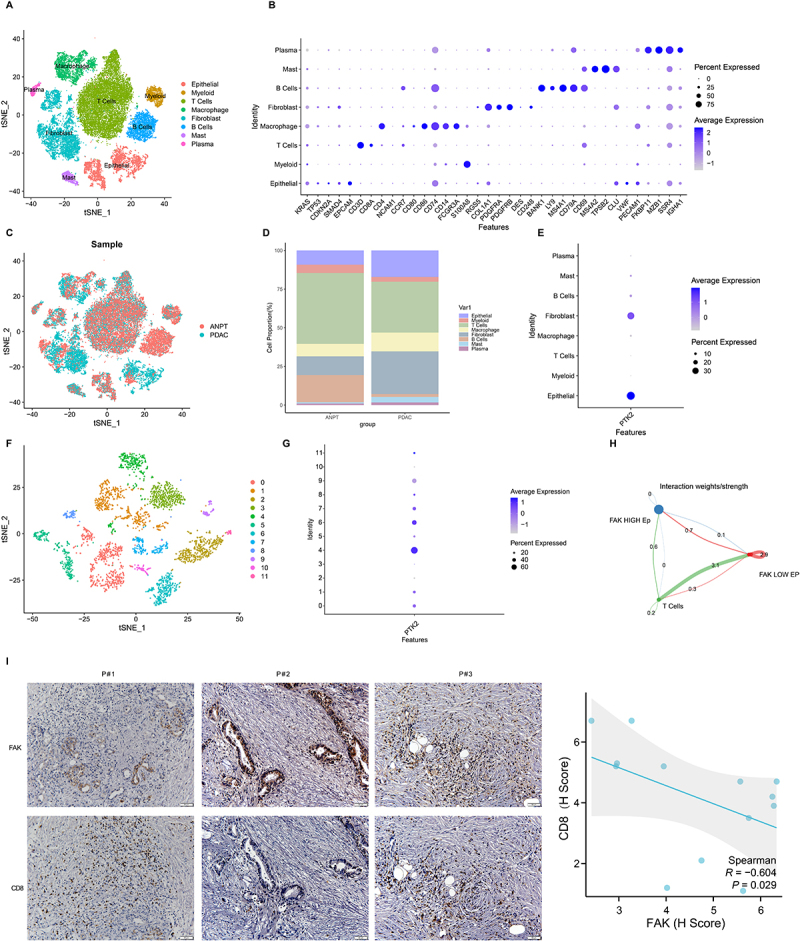
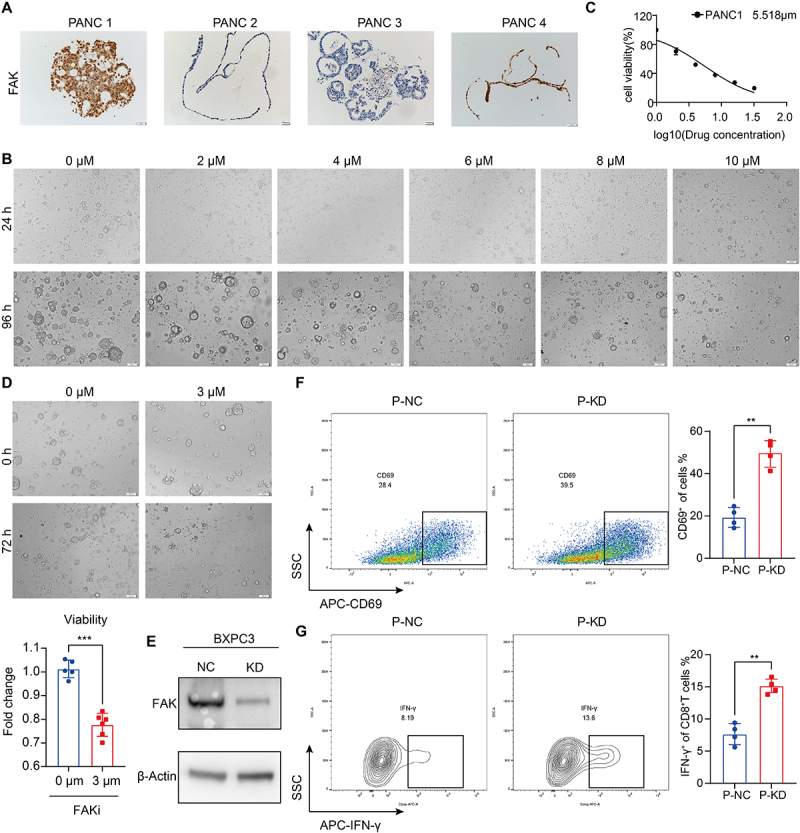
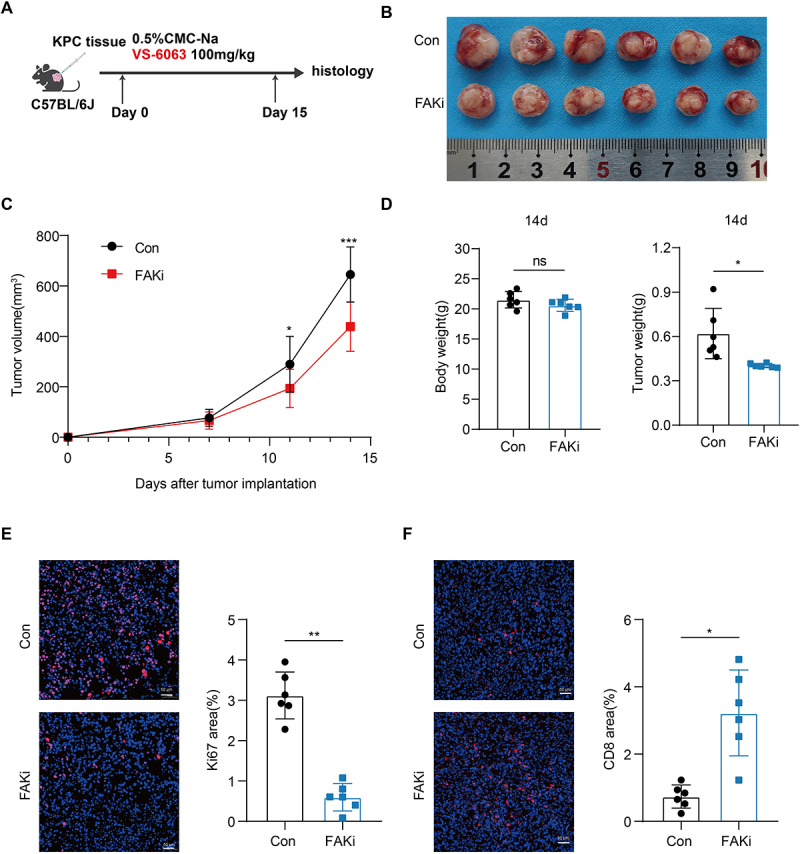
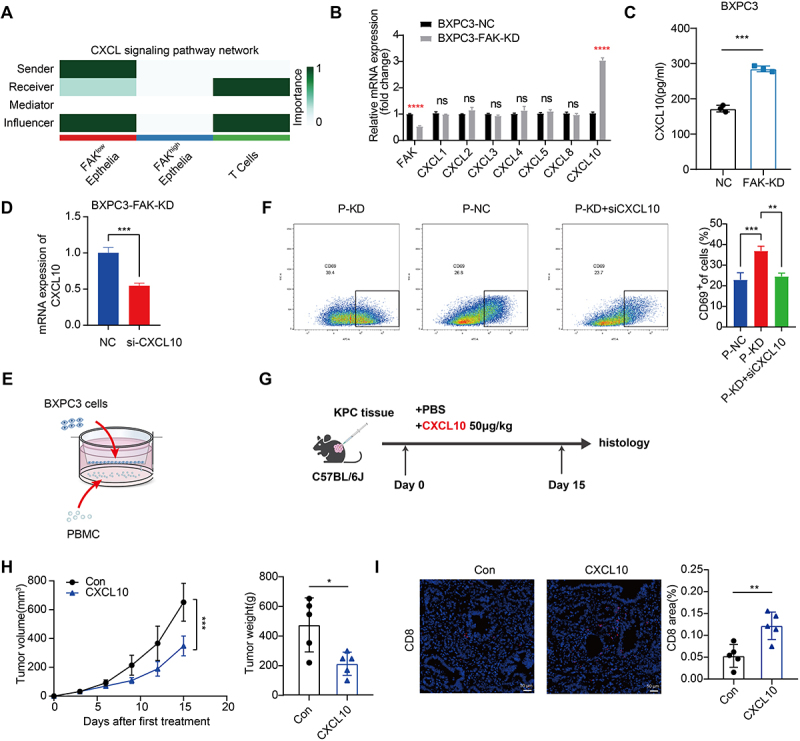
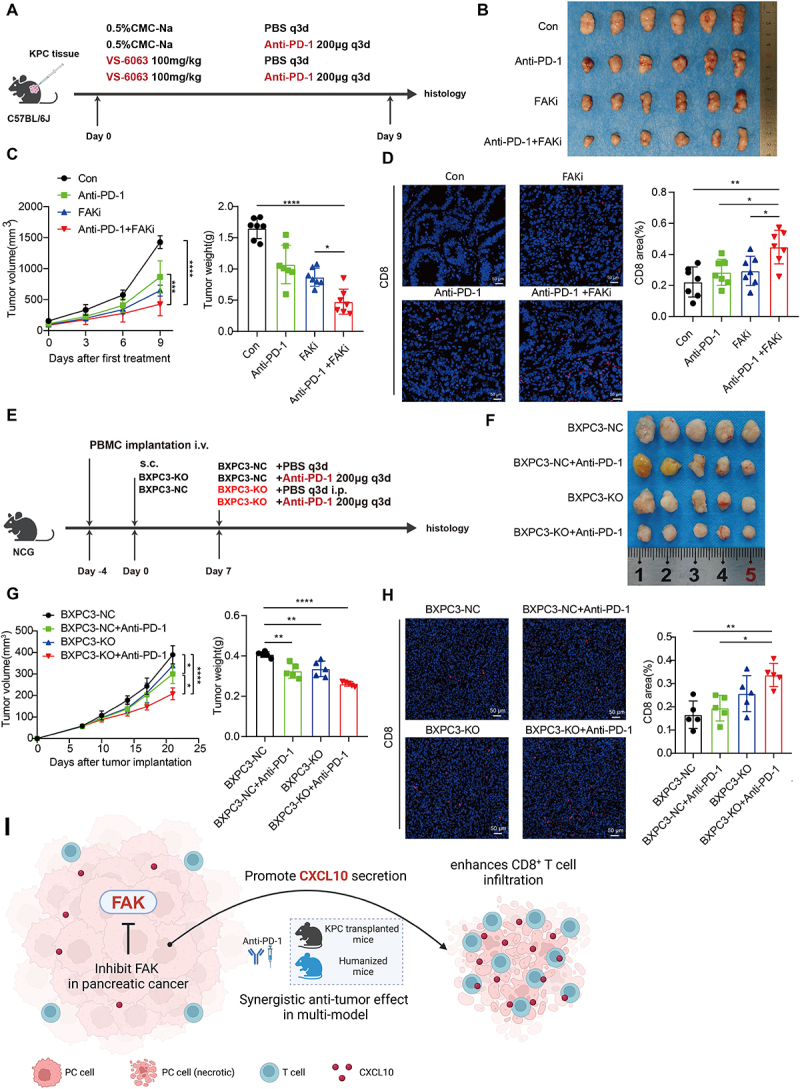
Immunotherapy has demonstrated potential in treating various malignant tumors, but its efficacy in pancreatic cancer (PC) remains limited, possibly due to the dense stromal components and immunosuppressive microenvironment of PC. Focal adhesion kinase (FAK), a non-receptor tyrosine kinase, plays a crucial role in the tumor microenvironment and intracellular signaling pathways. However, the specific role of FAK in the development and progression of PC, as well as its regulatory mechanisms on the tumor immune microenvironment (TIM), are still not fully understood. In this study, we analyzed single-cell sequencing datasets and clinical specimens to evaluate the role of FAK in the immune response of PC. We verified the impact of FAK alterations on CD8+ T cell infiltration using a co-culture system of patient-derived organoids (PDO) and immune cells. Additionally, mouse PC models and dual humanized models are established to investigate the in vivo function of FAK and the potential of its inhibitors for immunotherapy. Our results demonstrate that FAK is associated with the immunosuppressive microenvironment in PC. Inhibiting FAK enhances CD8+ T cell infiltration by promoting CXCL10 secretion in PC. Moreover, FAK inhibitors exhibit a synergistic anti-tumor effect when combined with immune checkpoint inhibitors. This study explores the potential of FAK as a therapeutic target, particularly its role in modulating TIM, thereby providing new research directions for the treatment of PC.
Keywords: CXCL10; Focal Adhesion Kinase (FAK); Pancreatic Cancer (PC); Tumor Immune Microenvironment (TIM); immunotherapy.
Conflict of interest statement
No potential conflict of interest was reported by the author(s).
Figures
References
-
- Patel JM, Cui Z, Wen ZF, Dinh CT, Hu H-M. Hu HM.Peritumoral administration of DRibbles-pulsed antigen-presenting cells enhances the antitumor efficacy of anti-GITR and anti-PD-1 antibodies via an antigen presenting independent mechanism. J For Immunother Of Cancer. 2019;7(1):311. doi: 10.1186/s40425-019-0786-7. - DOI - PMC - PubMed
MeSH terms
Substances
LinkOut - more resources
Full Text Sources
Medical
Research Materials
Miscellaneous
