Caenorhabditis elegans LET-381 and DMD-4 control development of the mesodermal HMC endothelial cell
- PMID: 40728647
- PMCID: PMC12377808
- DOI: 10.1242/dev.204622
Caenorhabditis elegans LET-381 and DMD-4 control development of the mesodermal HMC endothelial cell
Abstract
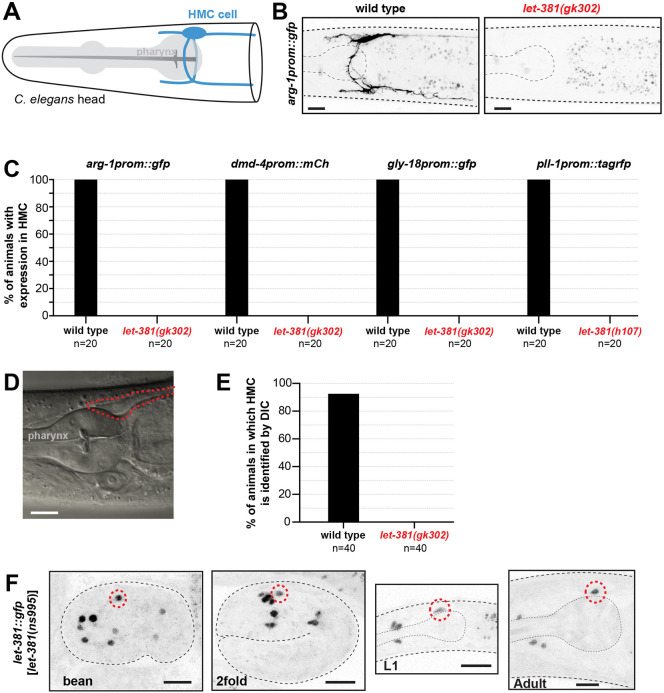
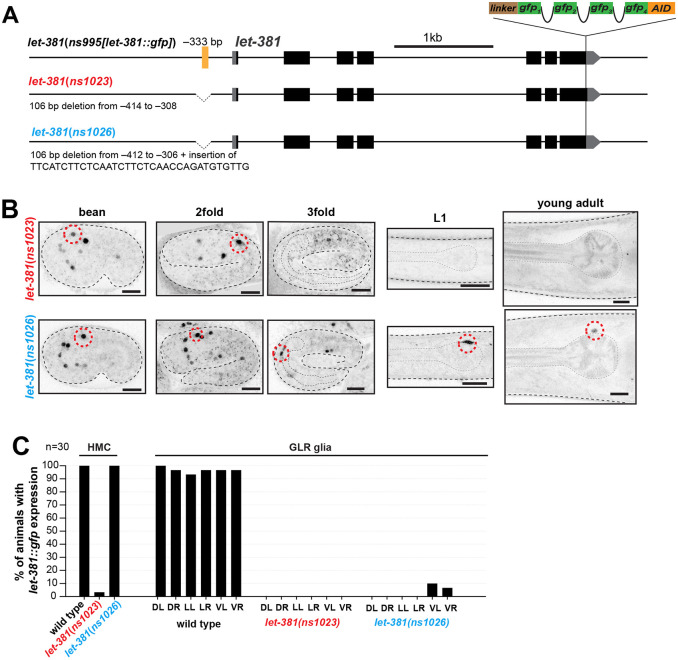
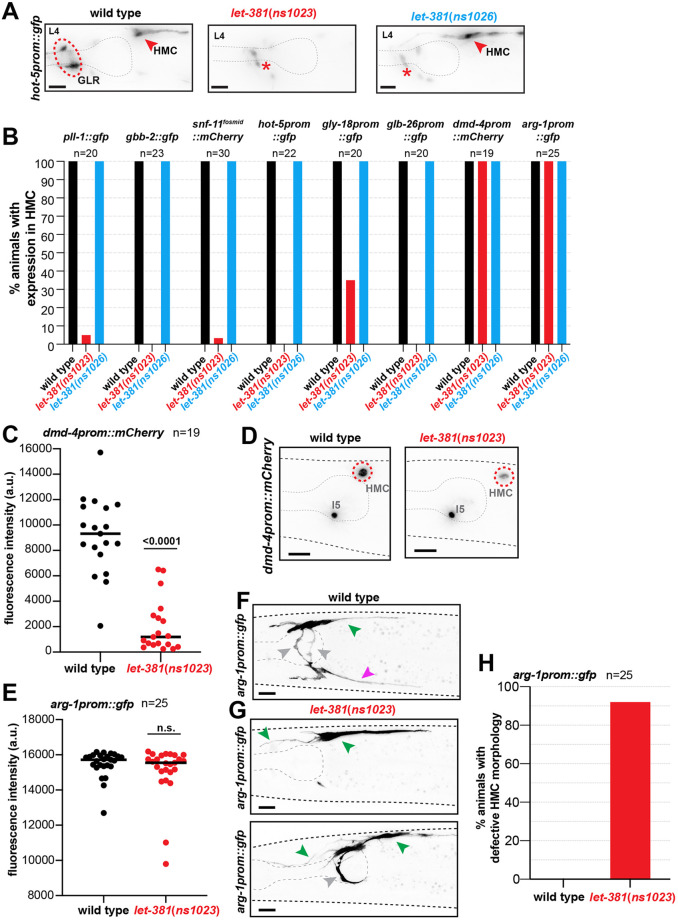
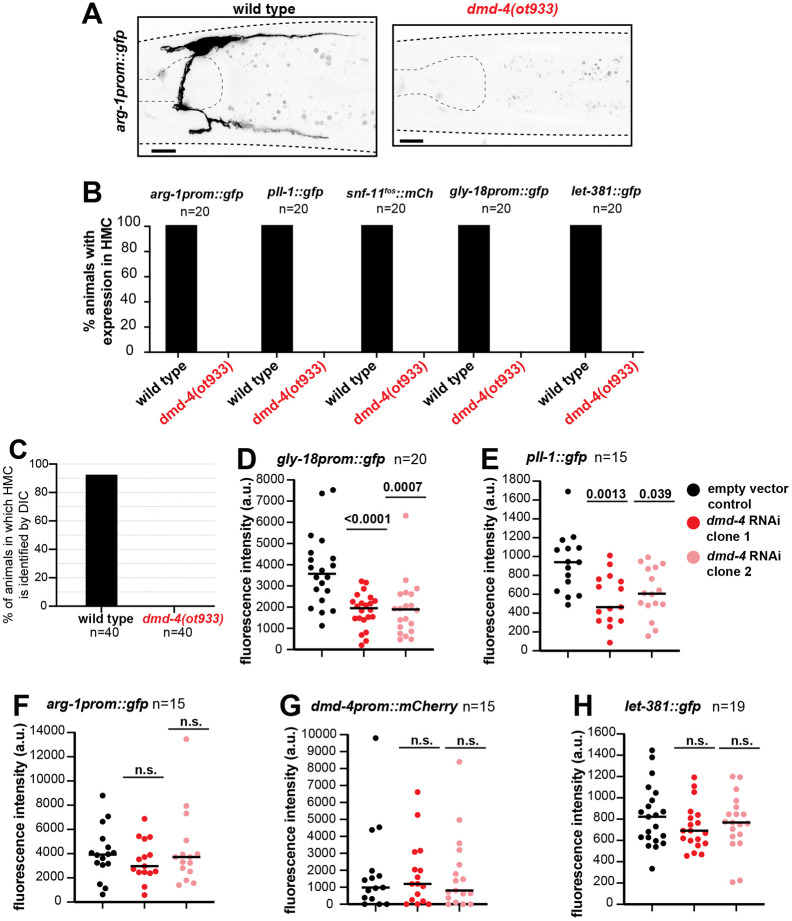
Endothelial cells form the inner layer of blood vessels and play key roles in circulatory system development and function. A variety of endothelial cell types have been described through gene expression and transcriptome studies; nonetheless, the transcriptional programs that specify endothelial cell fate and maintenance are not well understood. To uncover such regulatory programs, we studied the C. elegans head mesodermal cell (HMC), a non-contractile mesodermal cell bearing molecular and functional similarities to vertebrate endothelial cells. Here, we demonstrate that a Forkhead transcription factor, LET-381, is required for HMC fate specification and maintenance of HMC gene expression. DMD-4, a DMRT transcription factor, acts downstream of and in conjunction with LET-381 to mediate these functions. Independently of LET-381, DMD-4 also represses the expression of genes associated with a different, non-HMC, mesodermal fate. Our studies uncover essential roles for FoxF transcriptional regulators in endothelial cell development and suggest that FoxF co-functioning target transcription factors promote specific non-contractile mesodermal fates.
Keywords: Caenorhabditis elegans; dmd-4; let-381; DMRT; Endothelial cell development; FoxF.
© 2025. Published by The Company of Biologists.
Conflict of interest statement
Competing interests The authors declare no competing or financial interests.
Figures
References
MeSH terms
Substances
Grants and funding
LinkOut - more resources
Full Text Sources