


Understanding the rise of vaccine refusal: perceptions, fears, and influences
- PMID: 40731337
- PMCID: PMC12306073
- DOI: 10.1186/s12889-025-23754-5
Understanding the rise of vaccine refusal: perceptions, fears, and influences
Abstract
Objective: This study aims to examine individuals' justifications and experiences regarding vaccine refusal in Türkiye. The findings of this study are expected to provide significant insights into policies for preventing vaccine refusal and hesitancy.
Method: This phenomenological qualitative study involved in-depth interviews with 23 participants. The participants were selected via purposive and snowball sampling methods. The interview data were analyzed via content, quotation, and thematic analysis techniques. Qualitative analyses were performed with NVivo 10 software.
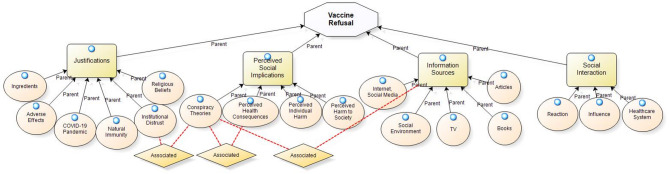
Results: The thematic analysis identified four main themes: Justifications (23/23), Perceived Social Implications (20/23), Social Interaction (17/23), and Information Sources (23/23). The participants were determined to refrain from vaccination due to concerns about the ingredients in vaccines and their potential adverse health effects. Additionally, institutional distrust toward vaccine manufacturers, accompanied by conspiracy theories, has emerged as another significant justification for vaccine refusal. Furthermore, this study revealed that sources of information, such as the Internet, social media, books, and articles, play crucial roles in shaping vaccine refusal attitudes.
Conclusion: The findings of this study highlight that vaccine-related decision-making is shaped not only by scientific and economic factors but also by psychological, sociocultural, and political factors. These findings underscore the need for further research and the development of strategic policies to increase vaccine acceptance and trust.
Keywords: Health management; Vaccine hesitance; Vaccine opposition; Vaccine refusal.
© 2025. The Author(s).
Conflict of interest statement
Declarations. Ethics approval and consent to participate: Ethical approval for this study was obtained from the Scientific Research Ethics Committee of the University of Health Sciences, Trabzon Faculty of Medicine, with approval number 2024/11, dated November 5, 2024. All participants provided informed consent before participating in the study. The research was conducted in accordance with the Declaration of Helsinki. Consent for publication: Written informed consent was obtained from all participants for the use of anonymized statements and relevant background information in this article. Competing interests: The authors declare no competing interests.
Figures
References
-
- WHO. World Health Organization: Immunization Agenda 2030: A Global Strategy to Leave No One Behind. 2020. https://www.who.int/teams/immunization-vaccines-and-biologicals/strategi.... Accessed 13 Jan 2025.
MeSH terms
LinkOut - more resources
Full Text Sources
Medical
