


Herbal Extract-Induced DNA Damage, Apoptosis, and Antioxidant Effects of C. elegans: A Comparative Study of Mentha longifolia, Scrophularia orientalis, and Echium biebersteinii
- PMID: 40732318
- PMCID: PMC12299367
- DOI: 10.3390/ph18071030
Herbal Extract-Induced DNA Damage, Apoptosis, and Antioxidant Effects of C. elegans: A Comparative Study of Mentha longifolia, Scrophularia orientalis, and Echium biebersteinii
Abstract
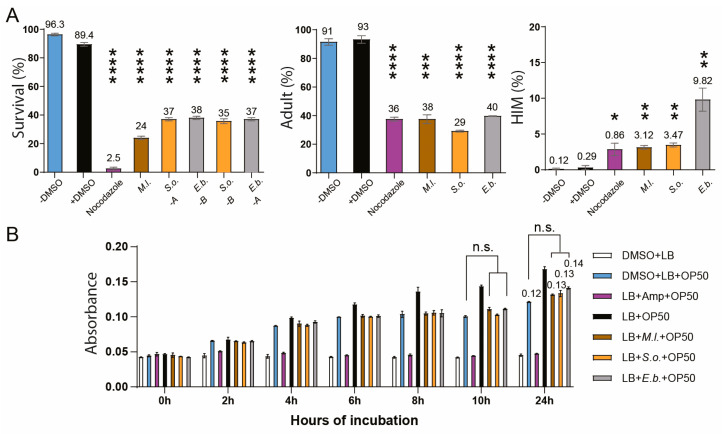
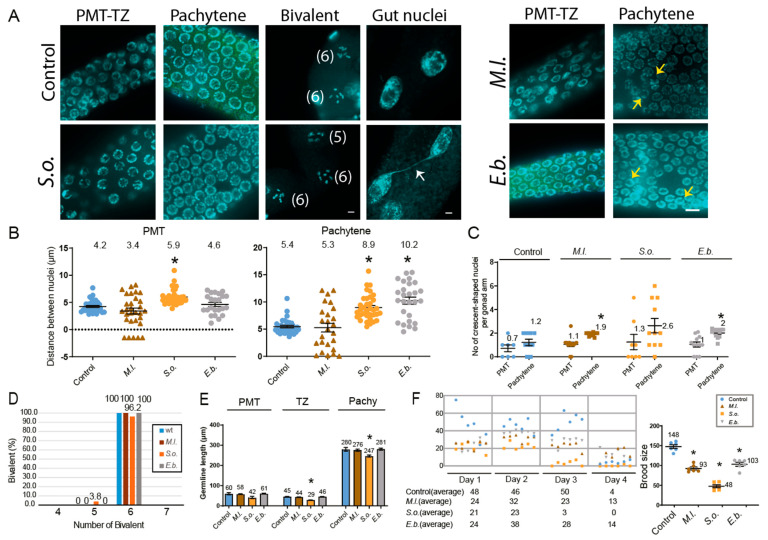
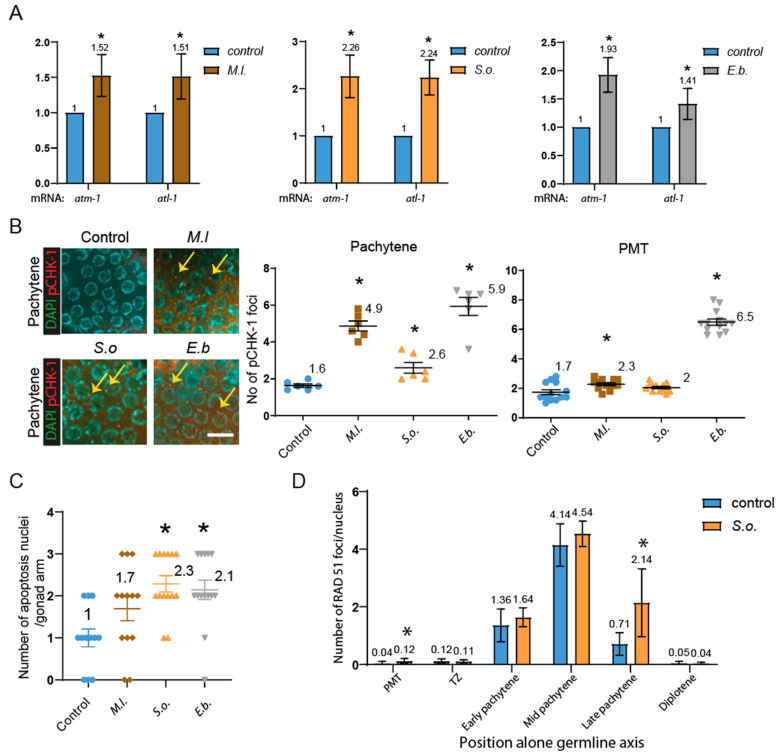
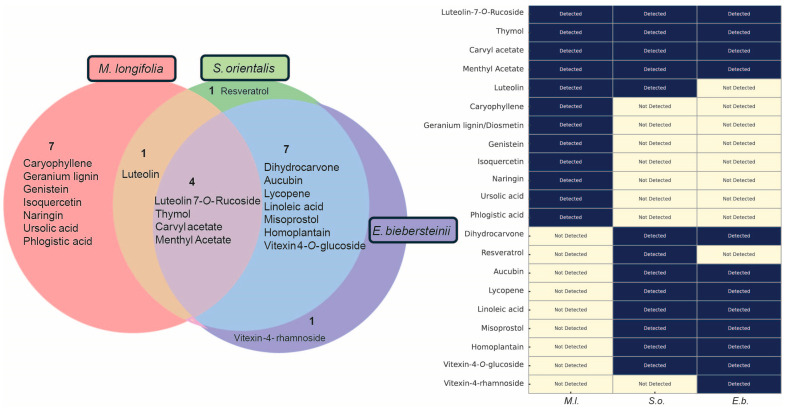
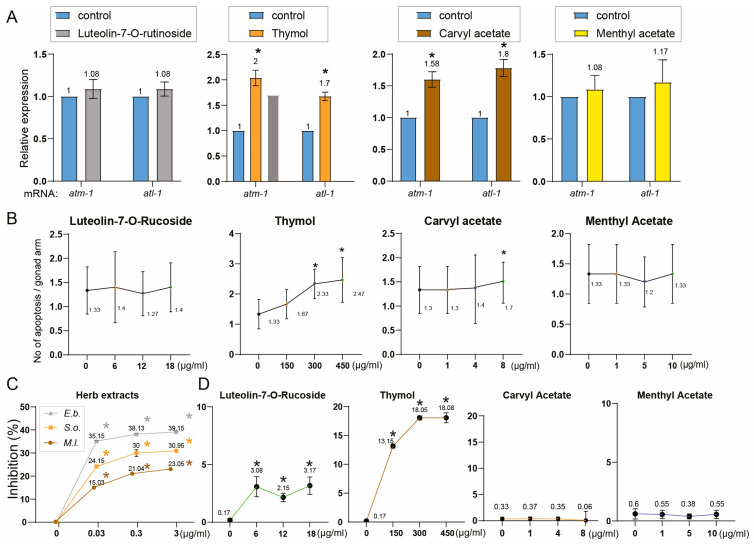
Background: Herbal medicine represents a rich yet complex source of bioactive compounds, offering both therapeutic potential and toxicological risks. Methods: In this study, we systematically evaluated the biological effects of three traditional herbal extracts-Mentha longifolia, Scrophularia orientalis, and Echium biebersteinii-using Caenorhabditis elegans as an in vivo model. Results: All three extracts significantly reduced worm survival, induced larval arrest, and triggered a high incidence of males (HIM) phenotypes, indicative of mitotic failure and meiotic chromosome missegregation. Detailed analysis of germline architecture revealed extract-specific abnormalities, including nuclear disorganization, ectopic crescent-shaped nuclei, altered meiotic progression, and reduced bivalent formation. These defects were accompanied by activation of the DNA damage response, as evidenced by upregulation of checkpoint genes (atm-1, atl-1), increased pCHK-1 foci, and elevated germline apoptosis. LC-MS profiling identified 21 major compounds across the extracts, with four compounds-thymol, carvyl acetate, luteolin-7-O-rutinoside, and menthyl acetate-shared by all three herbs. Among them, thymol and carvyl acetate significantly upregulated DNA damage checkpoint genes and promoted apoptosis, whereas thymol and luteolin-7-O-rutinoside contributed to antioxidant activity. Notably, S. orientalis and E. biebersteinii shared 11 of 14 major constituents (79%), correlating with their similar phenotypic outcomes, while M. longifolia exhibited a more distinct chemical profile, possessing seven unique compounds. Conclusions: These findings highlight the complex biological effects of traditional herbal extracts, demonstrating that both beneficial and harmful outcomes can arise from specific phytochemicals within a mixture. By deconstructing these extracts into their active components, such as thymol, carvyl acetate, and luteolin-7-O-rutinoside, we gain critical insight into the mechanisms driving reproductive toxicity and antioxidant activity. This approach underscores the importance of component-level analysis for accurately assessing the therapeutic value and safety profile of medicinal plants, particularly those used in foods and dietary supplements.
Keywords: DNA repair; Echium biebersteinii; Mentha longifolia; Scrophularia orientalis; germline development; medicinal plants; meiosis.
Conflict of interest statement
The authors declare no conflicts of interest.
Figures
References
-
- Shahar B., Chongtham N. Traditional uses and advances in recent research on wild aromatic plant Mentha longifolia and its pharmacological importance. Phytochem. Rev. 2024;23:529–550. doi: 10.1007/s11101-023-09896-7. - DOI
-
- Jedrzejczyk I., Rewers M. Genome size and ISSR markers for Mentha L. (Lamiaceae) genetic diversity assessment and species identification. Ind. Crops Prod. 2018;120:171–179. doi: 10.1016/j.indcrop.2018.04.062. - DOI
-
- Galíndez J.d.S., Lanza A.D., Matellano L.F. Biologically Active Substances from the Genus Scrophularia. Pharm. Biol. 2002;40:45–59. doi: 10.1076/phbi.40.1.45.5864. - DOI
Grants and funding
LinkOut - more resources
Full Text Sources
Research Materials
Miscellaneous
