


Bioactive Compounds as Modulators of N-Formyl Peptide Signaling in Chronic Diseases
- PMID: 40733247
- PMCID: PMC12298040
- DOI: 10.3390/molecules30142981
Bioactive Compounds as Modulators of N-Formyl Peptide Signaling in Chronic Diseases
Abstract
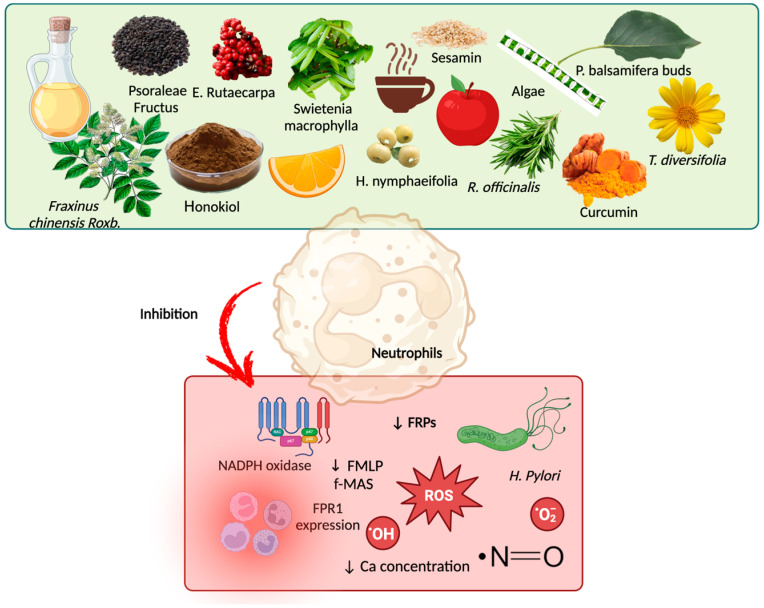
In physiological situations involving cell damage, molecules derived from mitochondria or bacteria are produced. These molecules are known as N-formyl peptides and are detected by formyl peptide receptors (FPRs), which stimulate immune cells to migrate to the specific site of injury or infection. Despite their initially beneficial effects on health, N-formyl peptides also contribute to the development or exacerbation of chronic non-communicable diseases. Therefore, understanding the metabolic pathways related to the involvement of N-formyl peptides and FPRs may increase our ability to regulate immune responses and precisely target FPRs with personalized strategies, offering a promising approach for the treatment of specific diseases. In this way, bioactive compounds in food may influence N-formyl peptides, interacting with the receptors either competitively or by inhibiting them, which affects the inflammatory response and oxidative reactions of cells. This review examines the pathways associated with forming N-formyl peptides, the activation of FPRs, and the roles of bioactive compounds in regulating N-formyl peptides.
Keywords: N-formyl peptides; bioactive compounds; diet; formyl peptide receptors; non-communicable disease.
Conflict of interest statement
The authors declare no conflict of interest.
Figures
References
-
- Forsman H., Wu Y., Mårtensson J., Björkman L., Granberg K.L., Dahlgren C., Sundqvist M. AZ2158 Is a More Potent Formyl Peptide Receptor 1 Inhibitor than the Commonly Used Peptide Antagonists in Abolishing Neutrophil Chemotaxis. Biochem. Pharmacol. 2023;211:115529. doi: 10.1016/j.bcp.2023.115529. - DOI - PubMed
Publication types
MeSH terms
Substances
LinkOut - more resources
Full Text Sources
