


The Invasive Mechanism and Impact of Arundo donax, One of the World's 100 Worst Invasive Alien Species
- PMID: 40733412
- PMCID: PMC12299341
- DOI: 10.3390/plants14142175
The Invasive Mechanism and Impact of Arundo donax, One of the World's 100 Worst Invasive Alien Species
Abstract
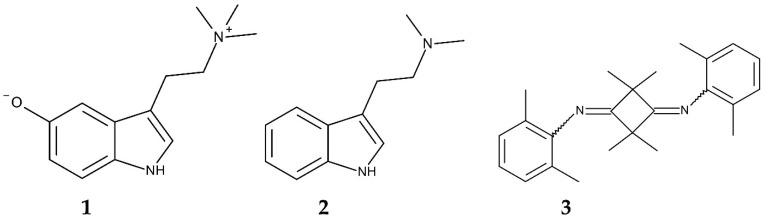
Arundo donax L. has been introduced in markets worldwide due to its economic value. However, it is listed in the world's 100 worst alien invasive species because it easily escapes from cultivation, and forms dense monospecific stands in riparian areas, agricultural areas, and grassland areas along roadsides, including in protected areas. This species grows rapidly and produces large amounts of biomass due to its high photosynthetic ability. It spreads asexually through ramets, in addition to stem and rhizome fragments. Wildfires, flooding, and human activity promote its distribution and domination. It can adapt to various habitats and tolerate various adverse environmental conditions, such as cold temperatures, drought, flooding, and high salinity. A. donax exhibits defense mechanisms against biotic stressors, including herbivores and pathogens. It produces indole alkaloids, such as bufotenidine and gramine, as well as other alkaloids that are toxic to herbivorous mammals, insects, parasitic nematodes, and pathogenic fungi and oomycetes. A. donax accumulates high concentrations of phytoliths, which also protect against pathogen infection and herbivory. Only a few herbivores and pathogens have been reported to significantly damage A. donax growth and populations. Additionally, A. donax exhibits allelopathic activity against competing plant species, though the allelochemicals involved have yet to be identified. These characteristics may contribute to its infestation, survival, and population expansion in new habitats as an invasive plant species. Dense monospecific stands of A. donax alter ecosystem structures and functions. These stands impact abiotic processes in ecosystems by reducing water availability, and increasing the risk of erosion, flooding, and intense fires. The stands also negatively affect biotic processes by reducing plant diversity and richness, as well as the fitness of habitats for invertebrates and vertebrates. Eradicating A. donax from a habitat requires an ongoing, long-term integrated management approach based on an understanding of its invasive mechanisms. Human activity has also contributed to the spread of A. donax populations. There is an urgent need to address its invasive traits. This is the first review focusing on the invasive mechanisms of this plant in terms of adaptation to abiotic and biotic stressors, particularly physiological adaptation.
Keywords: adaptation; alkaloid; biotic stressor; drought; flooding; photosynthesis; reproduction; salinity; stress condition.
Conflict of interest statement
The authors declare no conflicts of interest.
Figures
References
-
- Royal Botanic Garden Kew, Arundo donax L. [(accessed on 11 June 2025)]. Available online: https://powo.science.kew.org/taxon/urn:lsid:ipni.org:names:390837-1.
-
- CABI Compendium Arundo donax (Giant Reed) [(accessed on 11 June 2025)]. Available online: https://www.cabidigitallibrary.org/doi/full/10.1079/cabicompendium.1940. - DOI
-
- PROSEA—Plant Resources of South East Asia. [(accessed on 11 June 2025)]. Available online: https://prosea.prota4u.org/view.aspx?id=6525.
-
- Pacific Island Ecosystems at Risk (PIER) Arundo donax. [(accessed on 11 June 2025)]. Available online: http://www.hear.org/pier/imagepages/singles/ardonp1.htm.
-
- Jiménez-Ruiz J., Hardion L., Del Monte J.P., Vila B., Santín-Montanyá M.I. Monographs on invasive plants in Europe, no. 4: Arundo donax L. Bot. Lett. 2021;168:131–151. doi: 10.1080/23818107.2020.1864470. - DOI
Publication types
LinkOut - more resources
Full Text Sources
