


Toxic and Hallucinogenic Plants of Southern Chile of Forensic Interest: A Review
- PMID: 40733433
- PMCID: PMC12299608
- DOI: 10.3390/plants14142196
Toxic and Hallucinogenic Plants of Southern Chile of Forensic Interest: A Review
Abstract
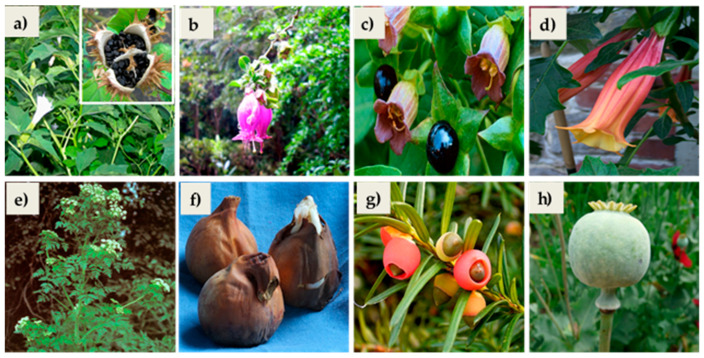
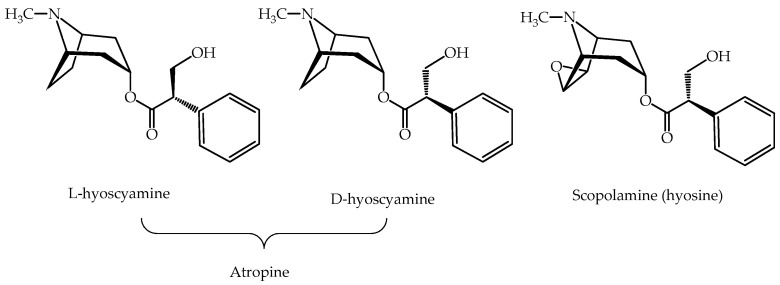
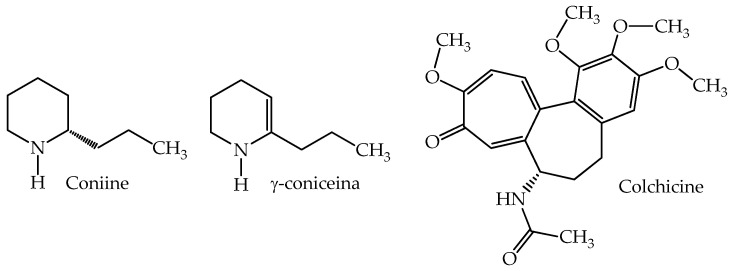
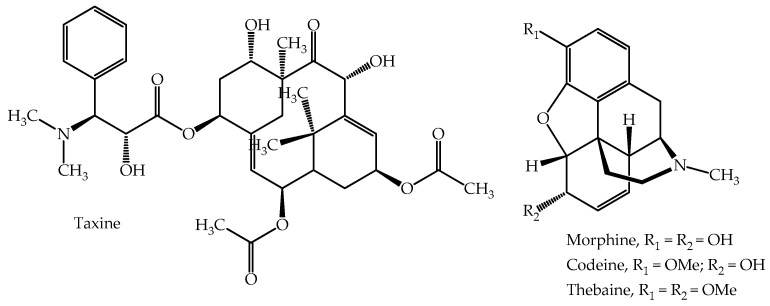
Several plants produce toxic and hallucinogenic metabolites, posing risks when misused due to a lack of botanical knowledge. Improper or accidental use of these plants poses a public health risk and has been associated with forensic cases involving poisoning, suicide, or drug-facilitated crimes. This review identified eight species of forensic interest that grow in southern Chile and analyzed their active compounds, mechanisms of toxicity, and documented clinical and legal cases. These selected species included both native and introduced taxa, whose main toxic agents are tropane alkaloids (atropine, scopolamine), piperidine (coniine), taxane pseudoalkaloids, and natural opiates (morphine, codeine). Most reported cases involved unintentional poisoning, mainly in children, highlighting the lack of regulation and awareness. This review revealed the need for improved forensic and clinical documentation of plant-based intoxications in Chile and greater public education regarding the toxicological risks posed by these botanical species.
Keywords: Chilean poisonous plants; atropine; coniine; forensic toxicology; scopolamine.
Conflict of interest statement
The authors declare no conflicts of interest.
Figures
References
-
- Diagnóstico de las Investigación de Homicidios de Niños, Niñas y Adolescentes en Chile; 2024, Fundación Amparo y Justicia. [(accessed on 20 January 2025)]. Available online: https://amparoyjusticia.cl/wp-content/uploads/2024/10/Diagnostico-Invest....
-
- Flesch F. Intoxications d’origine végétale. EMC-Médecine. 2005;2:532–546. doi: 10.1016/j.emcmed.2005.08.001. - DOI
Publication types
LinkOut - more resources
Full Text Sources
