


Torreya grandis Seed Polyphenols Protect RAW264.7 Macrophages by Inhibiting Oxidative Stress and Inflammation
- PMID: 40735402
- PMCID: PMC12305672
- DOI: 10.1002/fsn3.70682
Torreya grandis Seed Polyphenols Protect RAW264.7 Macrophages by Inhibiting Oxidative Stress and Inflammation
Abstract
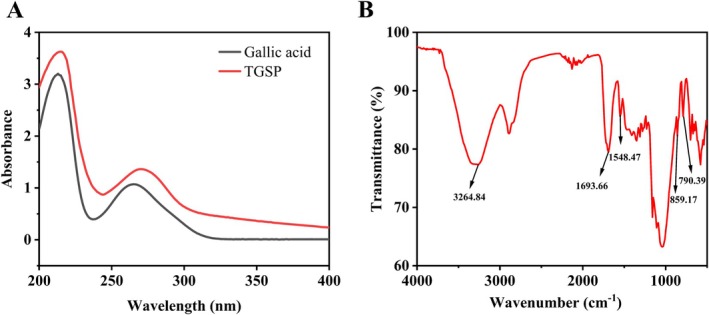
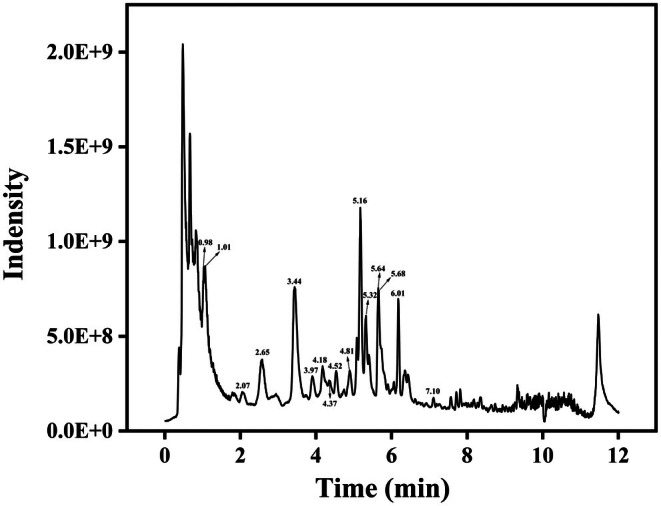
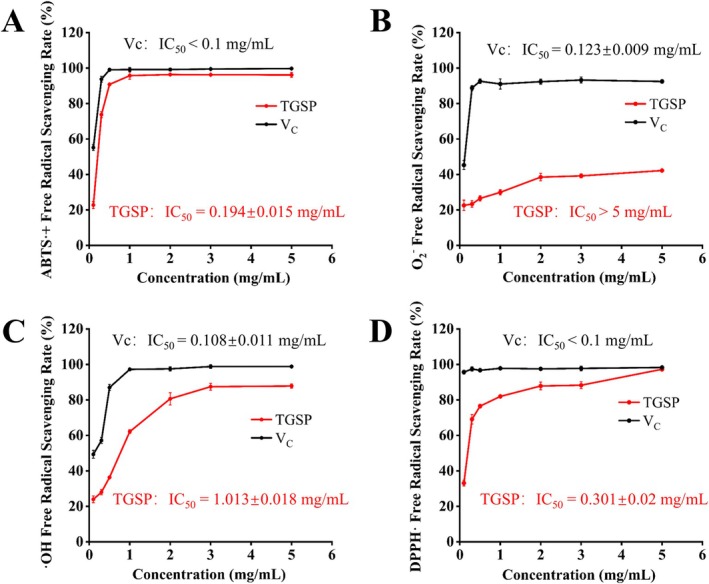
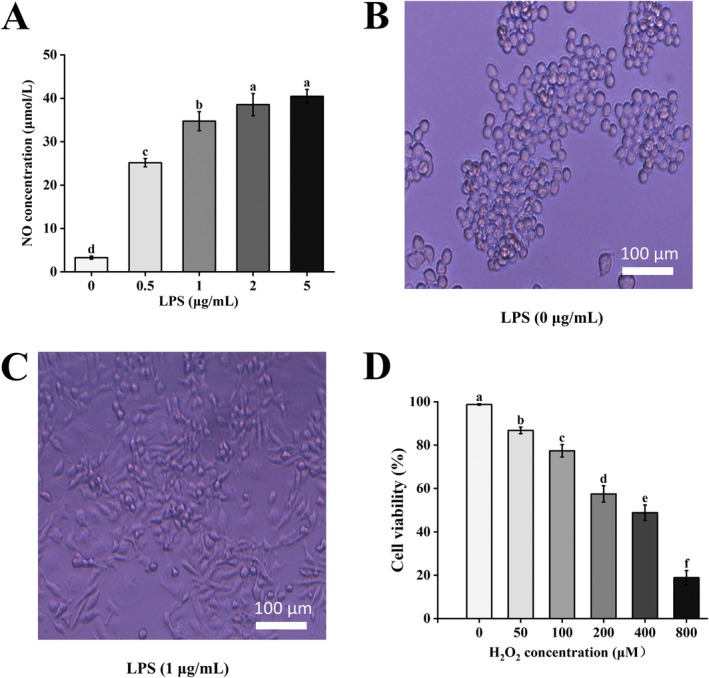
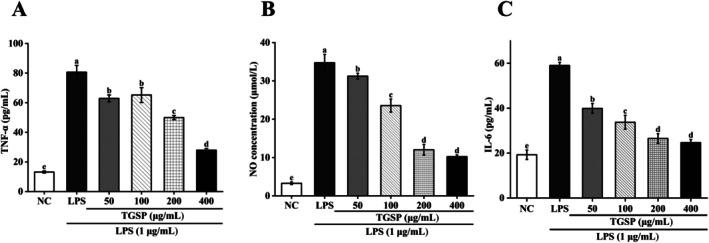
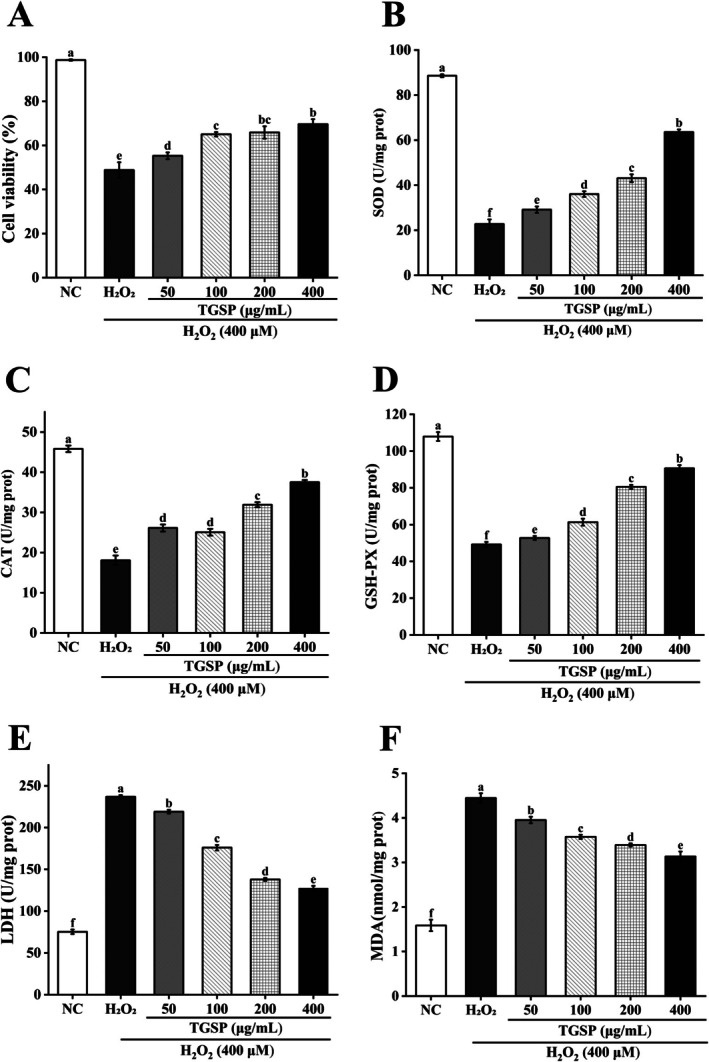
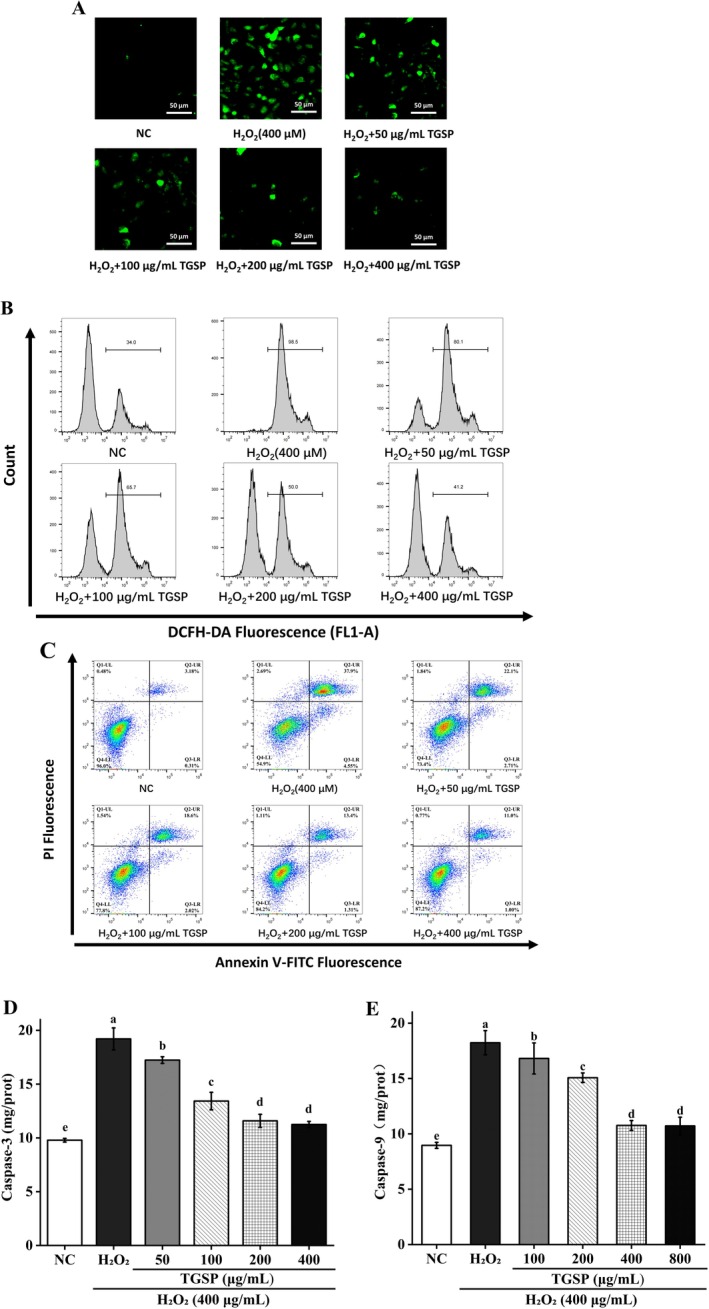
The seeds of Torreya grandis are rich in polyphenols, yet their chemical characteristics and biological activities require systematic elucidation. In this study, T. grandis seed polyphenols (TGSP) were prepared using ultrasound-assisted extraction (70% ethanol, solid-to-liquid ratio of 1:40 g/mL, 210 W power, 55°C, 50 min) coupled with AB-8 macroporous resin purification. The resulting TGSP were characterized by ultraviolet-visible (UV-Vis) spectroscopy, Fourier-transform infrared (FT-IR) spectroscopy, and liquid chromatography-tandem mass spectrometry (LC-MS/MS). Subsequently, their biological activities were systematically evaluated through in vitro chemical assays and in a cellular model. Structural analysis indicated that TGSP are abundant in gallic acid and catechins. TGSP exhibited selective scavenging activities against different free radicals, with half-maximal inhibitory concentrations (IC50) for 2,2'-azino-bis(3-ethylbenzothiazoline-6-sulfonic acid) radical cation (ABTS·+), 1,1-diphenyl-2-picrylhydrazyl radical (DPPH·), and hydroxyl radical (·OH) being 0.194 ± 0.015, 0.301 ± 0.020, and 1.013 ± 0.018 mg/mL, respectively. For comparison, the IC50 values of vitamin C (VC) for ABTS·+ and DPPH· radicals were well below 0.1 mg/mL, and its IC50 for ·OH radicals was 0.108 ± 0.011 mg/mL. At the cellular level, TGSP effectively inhibited the production of nitric oxide (NO), tumor necrosis factor-alpha (TNF-α), and interleukin-6 (IL-6) in lipopolysaccharide (LPS)-induced RAW264.7 cells. Furthermore, TGSP significantly counteracted hydrogen peroxide (H2O2)-induced oxidative stress by reducing levels of reactive oxygen species (ROS) and malondialdehyde (MDA), restoring the activity of antioxidant enzymes such as superoxide dismutase (SOD), and suppressing caspase-3/9-mediated apoptosis. In conclusion, these findings demonstrate that T. grandis seed polyphenols exert significant cytoprotective effects through a multi-target mechanism, including direct free radical scavenging, inhibition of inflammation, and attenuation of oxidative stress-induced damage. This suggests their potential for development as functional food ingredients or natural pharmaceutical components.
Keywords: Torreya grandis seed; antioxidant activity; anti‐apoptosis; free radical scavenging; inflammation inhibition; polyphenols.
© 2025 The Author(s). Food Science & Nutrition published by Wiley Periodicals LLC.
Conflict of interest statement
The authors declare no conflicts of interest.
Figures
References
LinkOut - more resources
Full Text Sources
Research Materials
Miscellaneous
