


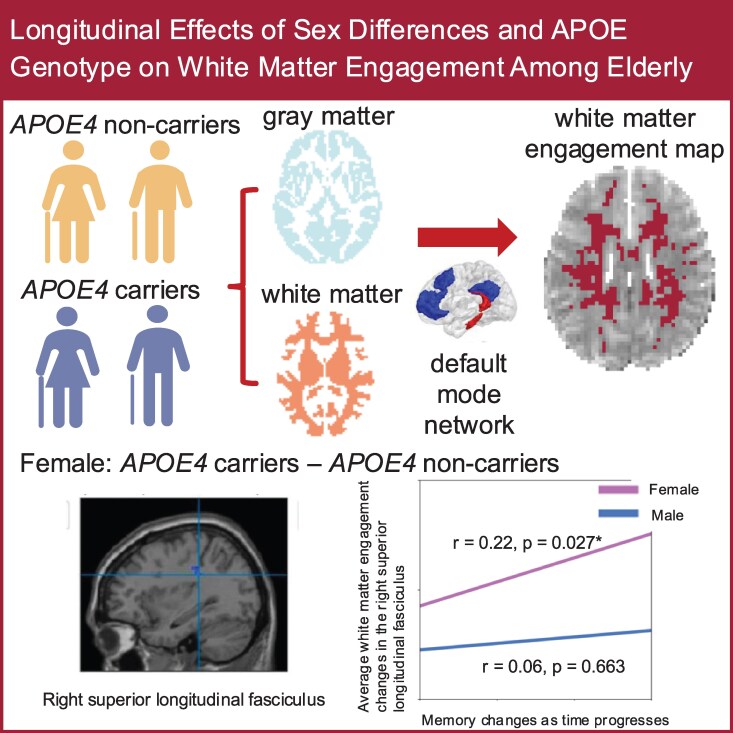
Longitudinal effects of sex differences and apolipoprotein E genotype on white matter engagement among elderly
- PMID: 40740432
- PMCID: PMC12308282
- DOI: 10.1093/braincomms/fcaf278
Longitudinal effects of sex differences and apolipoprotein E genotype on white matter engagement among elderly
Abstract
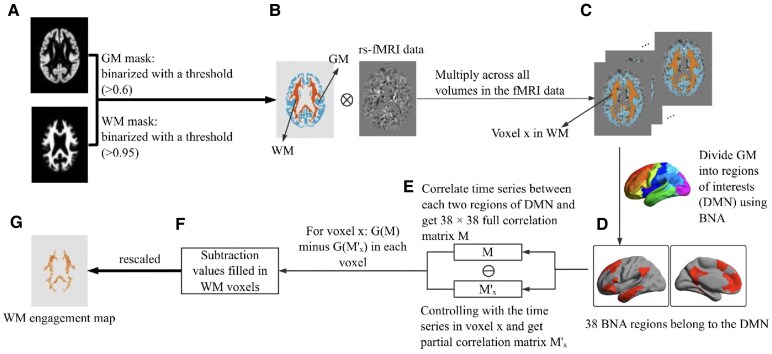
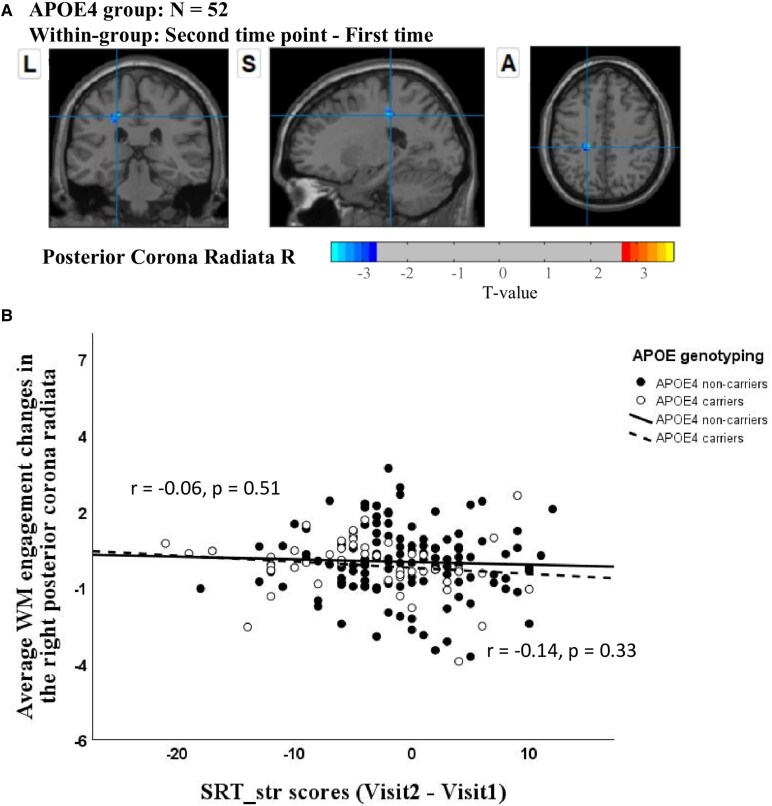
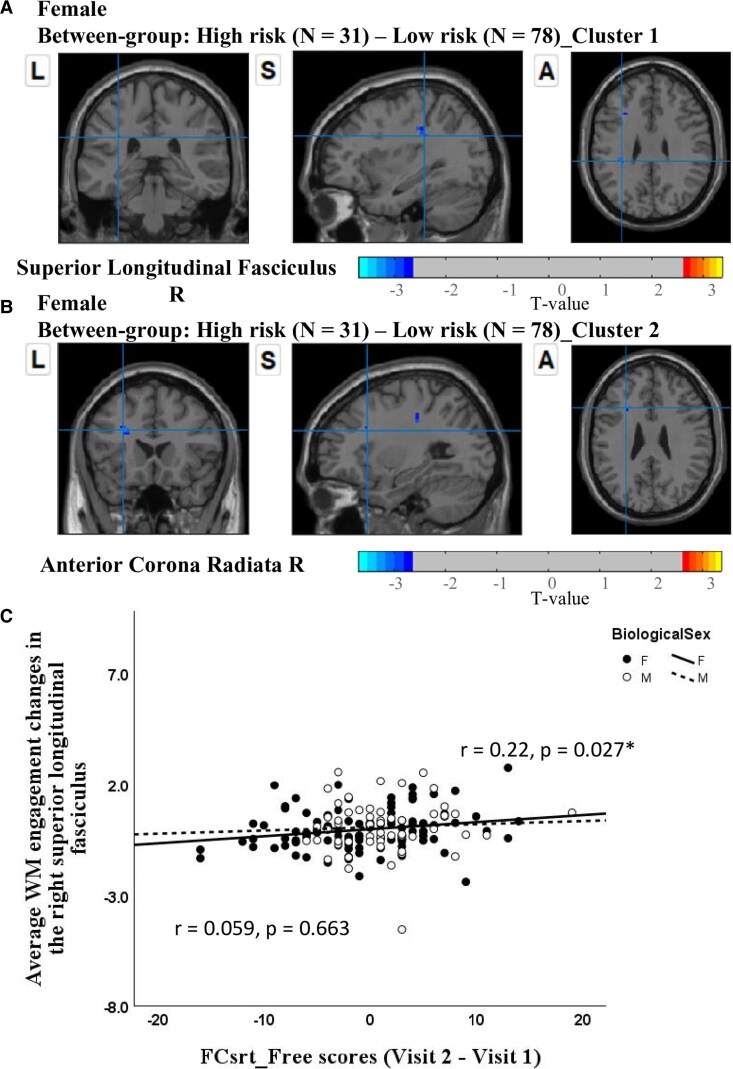
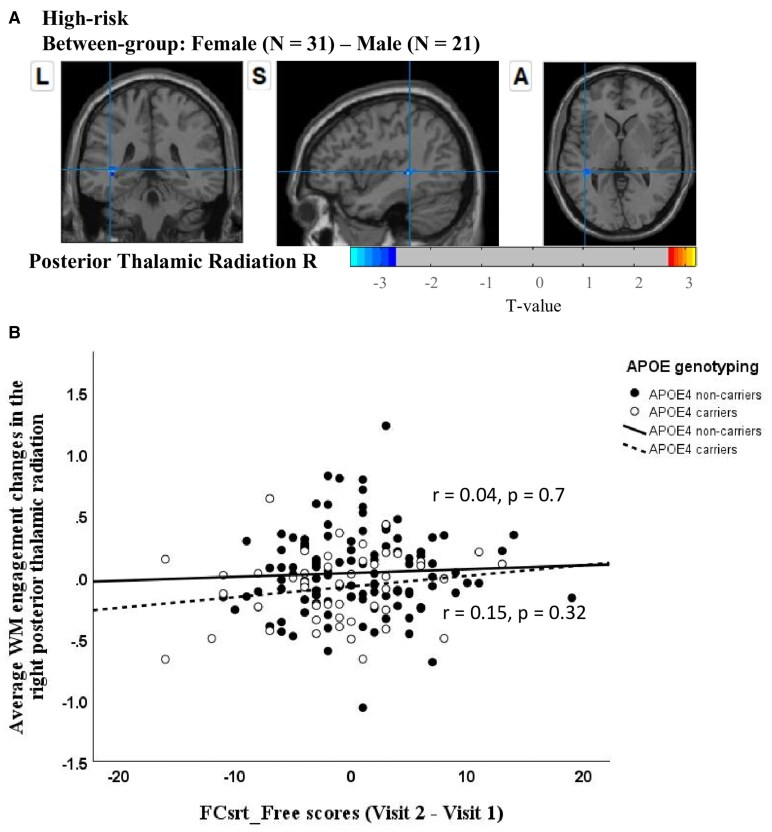
The apolipoprotein E (APOE) ɛ4 allele is the primary genetic risk factor that influences lipid metabolism and contributes to distinctive Alzheimer's disease pathologies, including increased hippocampal atrophy and accelerated cognitive decline. Synaptic dysfunction can occur in APOE4 carriers even before the appearance of any clinical symptoms. Recent evidence has suggested that this genetic risk factor impacts males and females differently. The sex-specific vulnerability for females to cognitive decline, particularly memory, intensifies post-menopause and emphasizes the need for further investigation. White matter abnormalities, APOE4 allele and disruptions in default mode network connectivity serve as early indicators that are crucial for better understanding Alzheimer's disease progression. This study aims to explore relationships between biological sex, APOE4, default mode network-white matter activity and memory function as measured by the Selective Reminding Test. Participants were categorized by risk level on their APOE4 status. Using longitudinal data from the Harvard Aging Brain Study, we examined sex differences in default mode network-white matter engagement among older individuals with and without the APOE4 allele. Our findings demonstrated a significant reduction in default mode network-white matter activity in the right posterior corona radiata in the high-risk group compared to the low-risk group. High-risk females showed reduction in default mode network-white matter activity in the right superior longitudinal fasciculus, which positively correlated with free recall performance, compared to their low-risk counterparts. Unlike females, males showed no significant changes between the low- and high-risk groups. These results underscore the effectiveness of white matter engagement mapping in differentiating longitudinal changes in memory function related to the genetic risk factor APOE4 and biological sex.
Keywords: APOE4; default mode network; memory; sex difference; white matter engagement maps.
© The Author(s) 2025. Published by Oxford University Press on behalf of the Guarantors of Brain.
Conflict of interest statement
The authors report no competing interests.
Figures
References
-
- Navaneetham K, Arunachalam D. Global population aging, 1950–2050. Handbook of aging, health and public policy: Perspectives from Asia. Springer; 2023:1–18.
-
- Fortea J, Pegueroles J, Alcolea D, et al. APOE4 homozygozity represents a distinct genetic form of Alzheimer’s disease. Nat Med. 2024;30(1):1–8. - PubMed
LinkOut - more resources
Full Text Sources
Miscellaneous