


Assessing misophonia as a potential comorbidity in migraine patients compared to controls: a cross-sectional study
- PMID: 40740845
- PMCID: PMC12308847
- DOI: 10.3389/fneur.2025.1545520
Assessing misophonia as a potential comorbidity in migraine patients compared to controls: a cross-sectional study
Abstract
Objective: This study aimed to investigate the prevalence and symptom severity of misophonia among individuals with migraine, and to explore its clinical and psychological correlates.
Background: Misophonia is a neurobehavioral condition characterized by intense emotional and physiological reactions to specific everyday sounds, such as chewing or tapping. Although misophonia has been associated with increased sensory sensitivity and psychiatric comorbidities, its relationship with other sensory processing disorders-particularly migraine-remains underexplored.
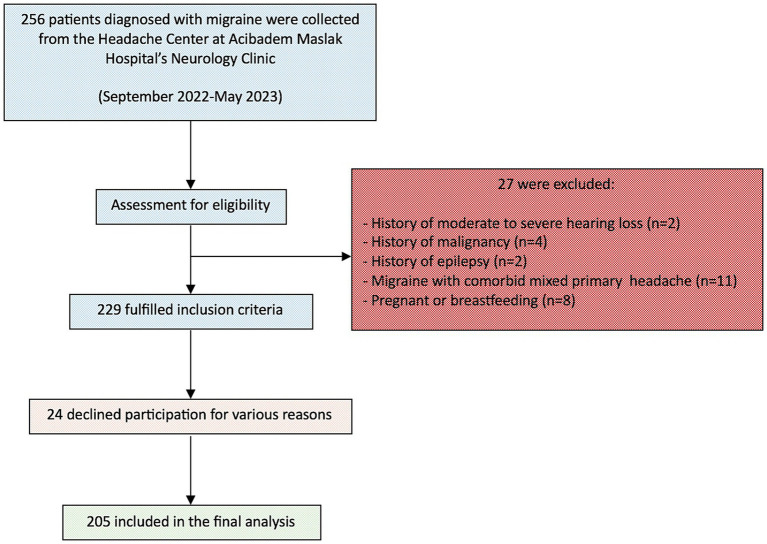
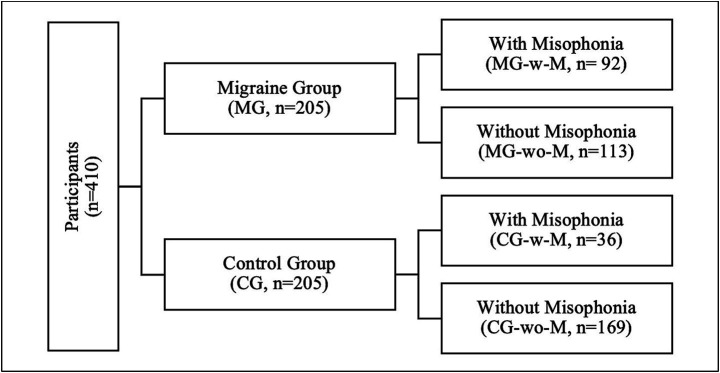
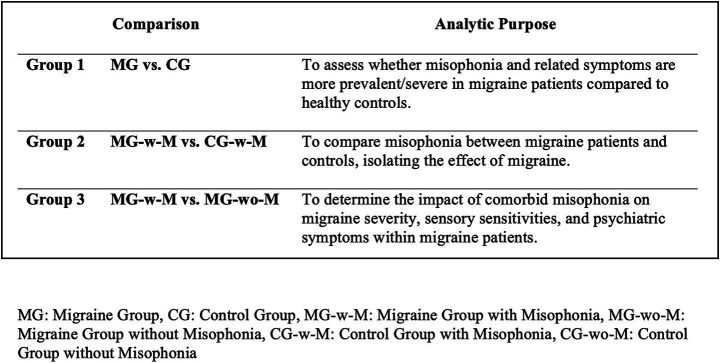
Methods: In this cross-sectional study, 205 migraine patients and 205 healthy controls completed validated scales assessing misophonia symptoms, psychiatric comorbidities, and migraine-related disability. Statistical comparisons and univariate linear regression analyses were performed to identify predictors of misophonia.
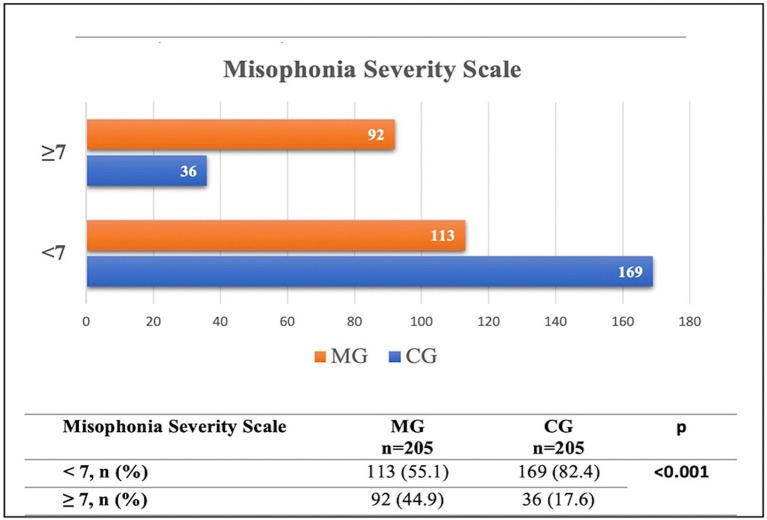
Results: Our findings revealed a significantly higher prevalence of misophonia among individuals with migraine compared to healthy controls (44.9% vs. 17.6%). Misophonia symptoms were not only more common but also more severe in the migraine group. Migraine patients with comorbid misophonia scored significantly higher on the Headache Impact Test-6 and all components of the Migraine Disability Assessment Scale compared to those without misophonia. Sensory sensitivities such as photophobia, phonophobia, osmophobia, and allodynia were also more frequent and intense among migraine patients with misophonia. Furthermore, these patients exhibited significantly higher levels of anxiety, stress, and obsessive-compulsive symptoms. Regression analyses revealed that stress, obsessive-compulsive symptoms, allodynia, and migraine-related disability were significant predictors of misophonia scores.
Conclusion: Misophonia is a common and clinically significant comorbidity in migraine, associated with heightened sensory sensitivities, increased psychiatric burden, and greater functional impairment. The co-occurrence of these conditions may be underpinned by shared neurobiological mechanisms, particularly networks mediating sensory-emotional integration. Further longitudinal and neurobiological research is warranted to clarify causal relationships and inform targeted interventions.
Keywords: comorbidity; migraine; migraine disability; misophonia; misophonia assessment.
Copyright © 2025 Sahin, Cakir, Ilgaz Aydinlar, Ertas and Yalınay Dikmen.
Conflict of interest statement
The authors declare that the research was conducted in the absence of any commercial or financial relationships that could be construed as a potential conflict of interest.
Figures
References
-
- Stovner LJ, Nichols E, Steiner TJ, Abd-Allah F, Abdelalim A, al-Raddadi RM, et al. Global, regional, and national burden of migraine and tension-type headache, 1990–2016: a systematic analysis for the global burden of disease study 2016. Lancet Neurol. (2018) 17:954–76. doi: 10.1016/S1474-4422(18)30322-3, PMID: - DOI - PMC - PubMed
LinkOut - more resources
Full Text Sources
