


Socio-ecological determinants of multiple anthropometric failures among under-five children: A systematic review and meta-analysis of observational studies
- PMID: 40743231
- PMCID: PMC12312983
- DOI: 10.1371/journal.pgph.0005008
Socio-ecological determinants of multiple anthropometric failures among under-five children: A systematic review and meta-analysis of observational studies
Abstract
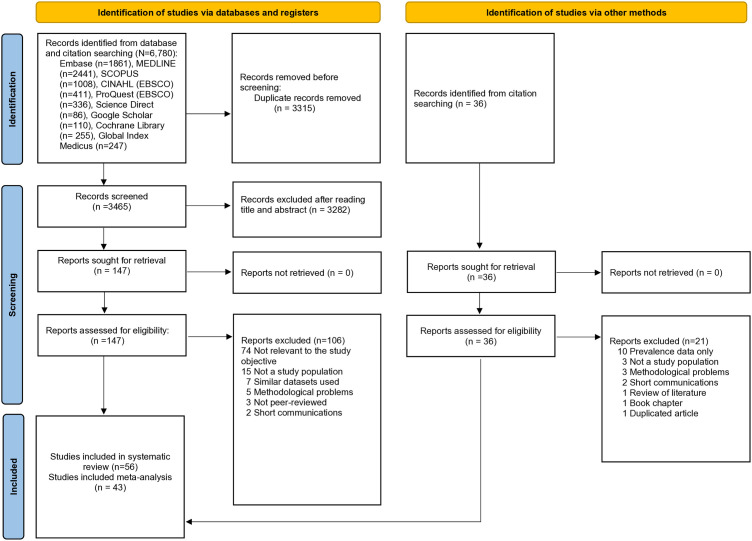
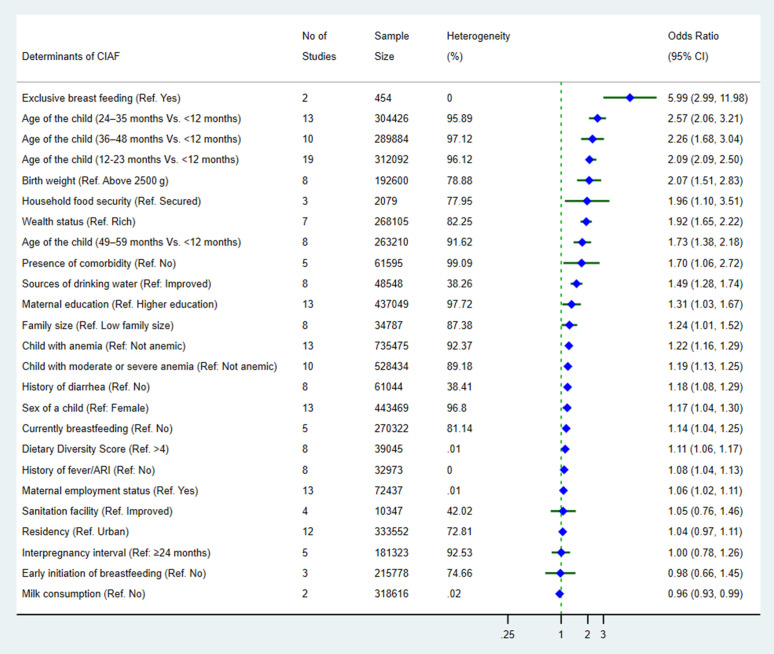
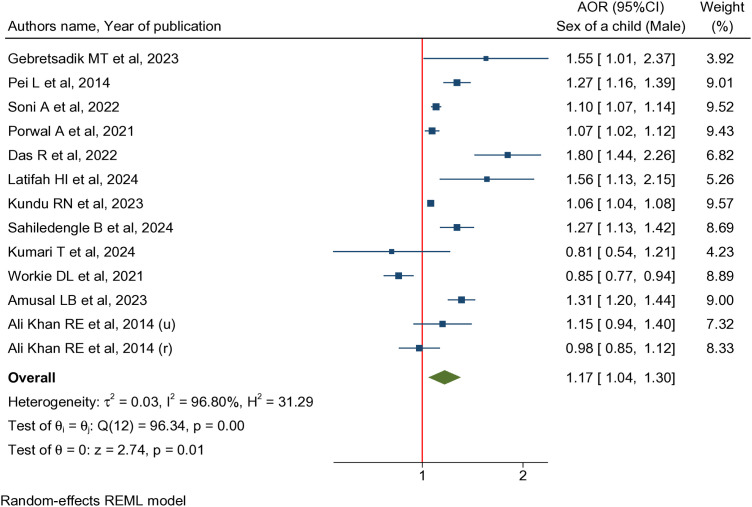
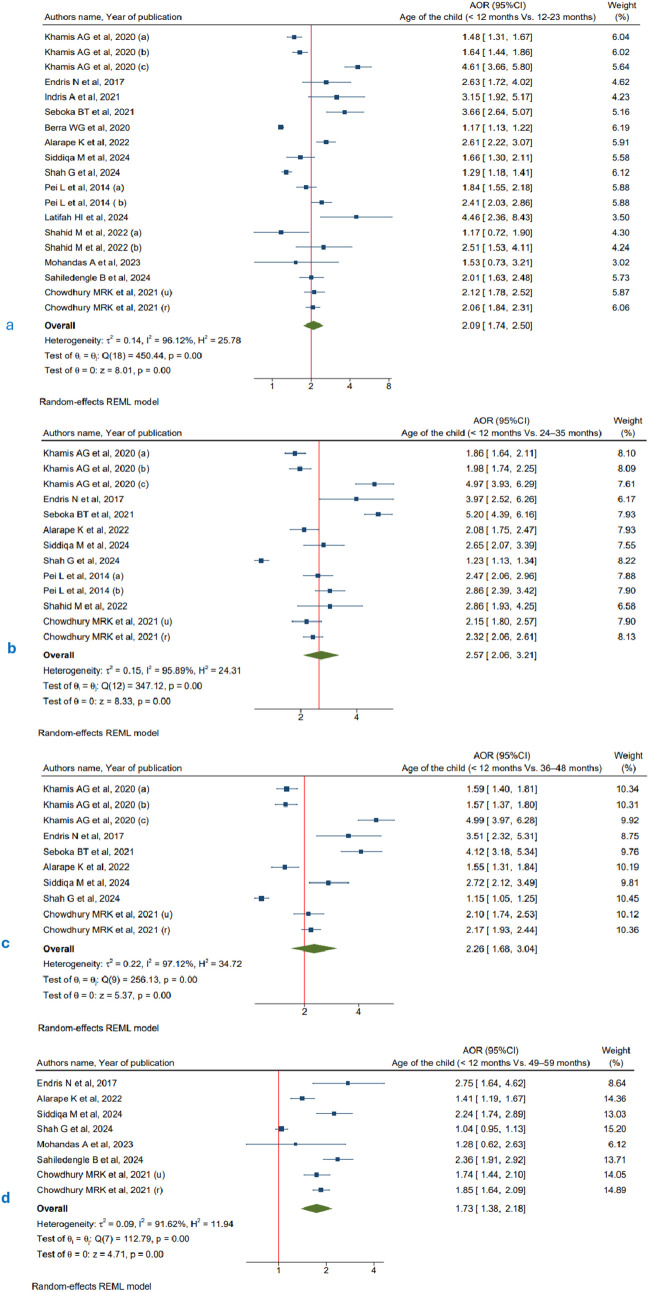
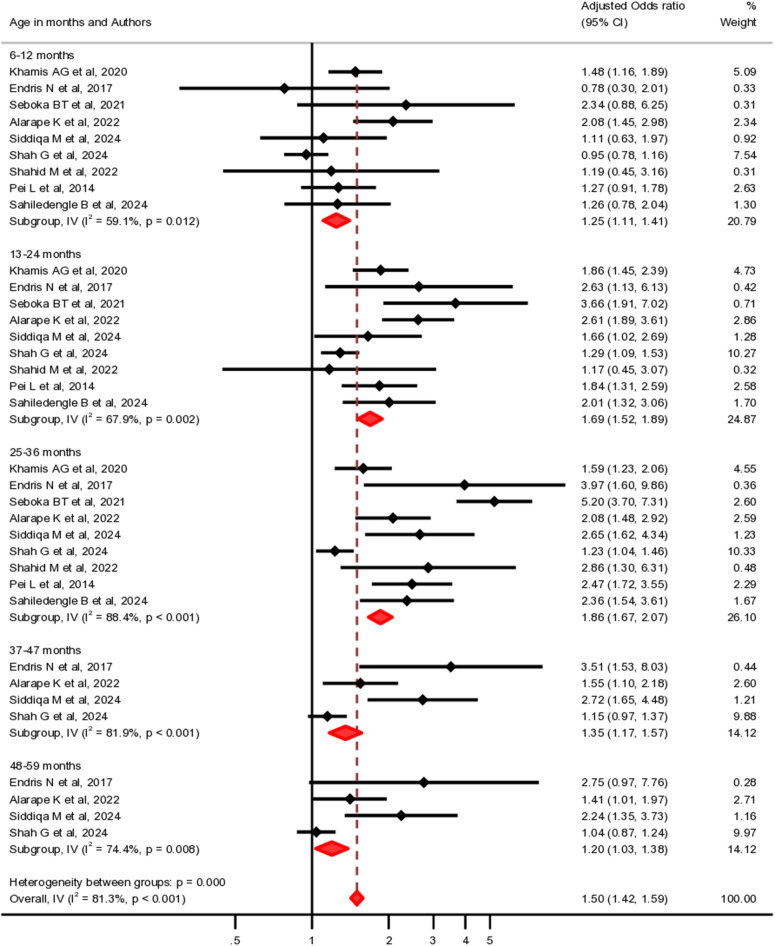
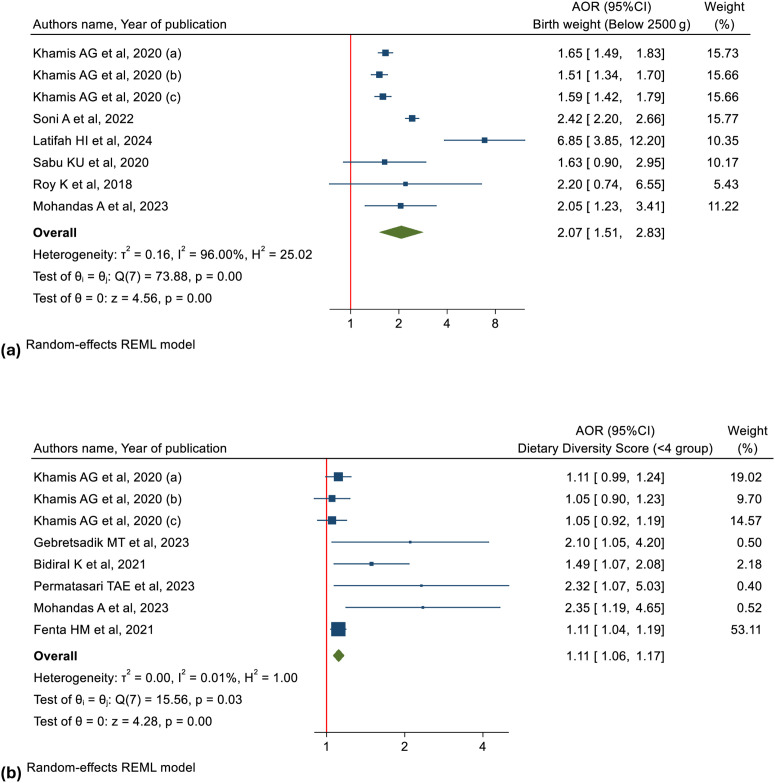
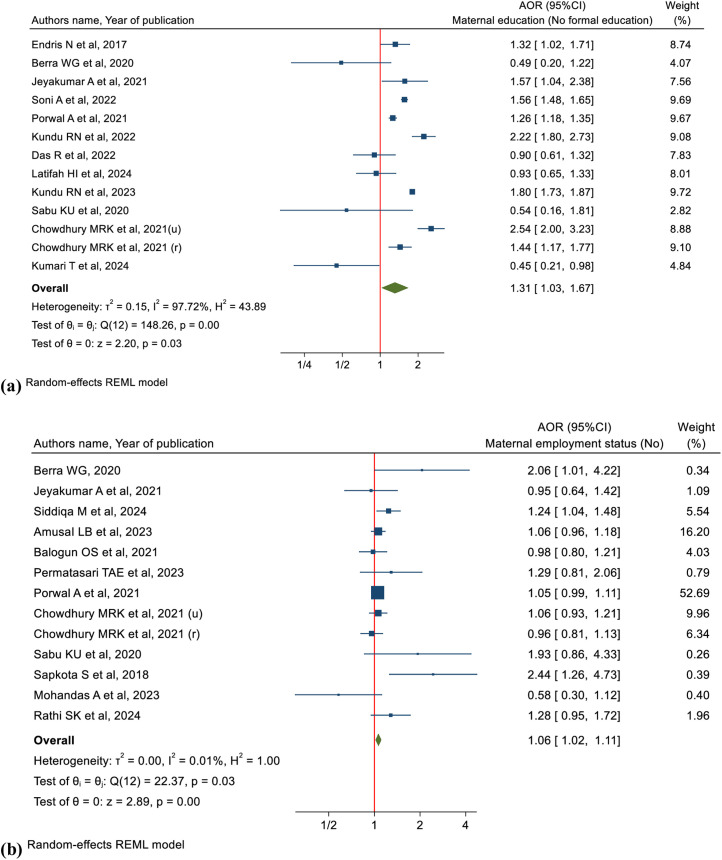
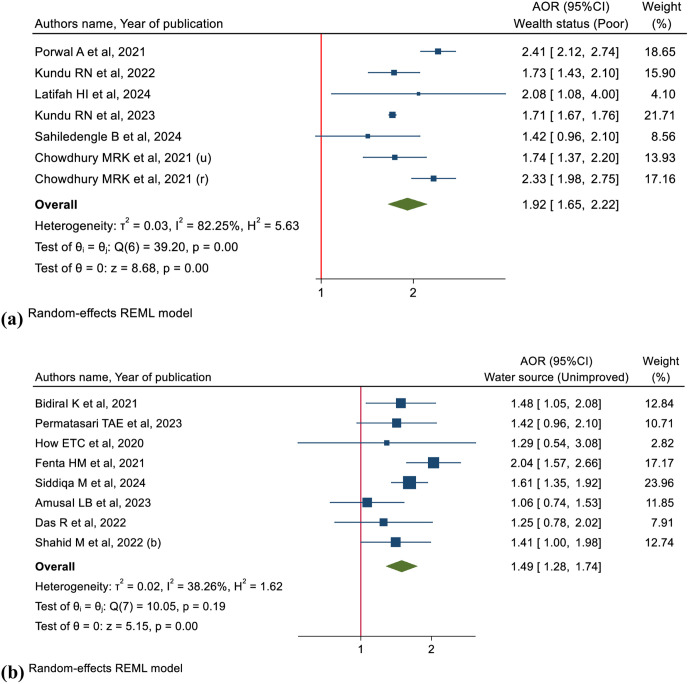
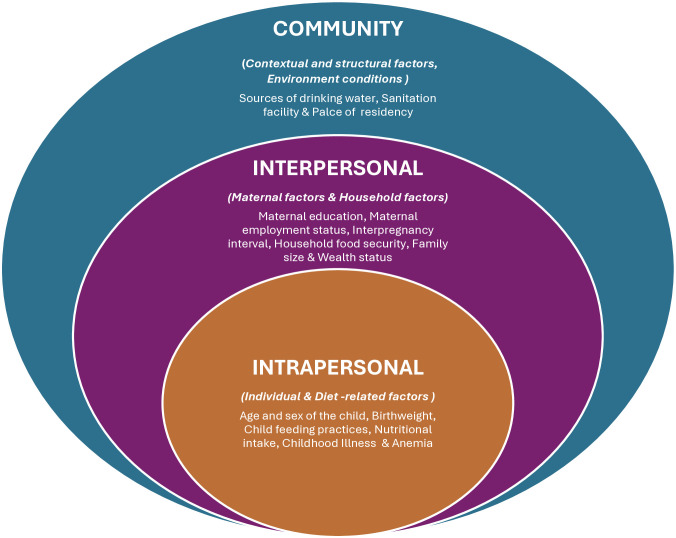
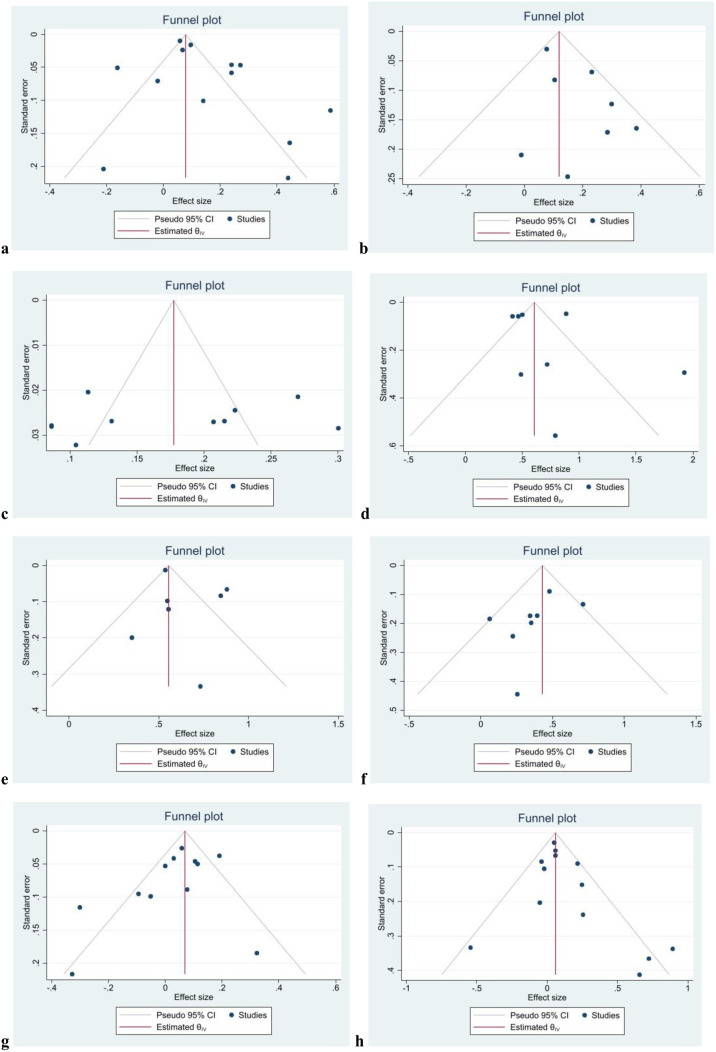
The composite index of anthropometric failure (CIAF) offers a comprehensive measure of the overall burden of undernutrition in children, extending beyond the traditional anthropometric indices to better capture the co-occurrence of multiple anthropometric deficits. Despite its growing use, evidence on the determinants of CIAF remains fragmented and inconclusive. This systematic review and meta-analysis aimed to identify and synthesize the determinants of CIAF among under five children. A comprehensive search of nine major databases was conducted, including MEDLINE (PubMed), Embase (Ovid), Scopus, CINAHL, ProQuest, ScienceDirect, Global Index Medicus, the Cochrane Library, and Google Scholar. Determinants were categorized using a socio-ecological model across intrapersonal, interpersonal, and community levels. Random-effects meta-analyses were conducted to generate pooled odds ratios (ORs), and heterogeneity was assessed using the I² statistic and Cochran's Q test. Subgroup analyses, sensitivity testing, and publication bias assessment were also performed. Of 6,816 records identified, 56 studies met inclusion criteria (encompassing a total of 1,029,452 under five children). Intrapersonal factors significantly associated with higher odds of CIAF included male sex (OR: 1.17, 95% CI:1.04-1.30), older child age (OR: 1.50, 95% CI: 1.42-1.59), diarrhea (OR: 1.18, 95% CI: 1.08-1.29), fever (OR: 1.08, 95% CI: 1.04-1.13), anemia (OR: 1.22, 95% CI: 1.16-1.29), low birthweight (OR: 2.07, 95% CI: 1.51-2.83), and poor dietary diversity (OR: 1.11, 95% CI: 1.06-1.17). Interpersonal and community-level determinants significantly associated with increased odds of CIAF included low maternal education, maternal unemployment, household poverty, larger family size, food insecurity, and use of unimproved drinking water. We identified key modifiable risk factors associated with CIAF among under five children at different levels, including inadequate dietary intake, childhood morbidity, household food insecurity, limited maternal education, and poor access to safe water. These findings emphasize the need for comprehensive, multi-level interventions that address modifiable risk factors across individual, household, and community levels to reduce childhood multiple anthropometric failures.
Copyright: © 2025 Sahiledengle et al. This is an open access article distributed under the terms of the Creative Commons Attribution License, which permits unrestricted use, distribution, and reproduction in any medium, provided the original author and source are credited.
Conflict of interest statement
The authors have declared that no competing interests exist.
Figures
References
LinkOut - more resources
Full Text Sources
Miscellaneous