


High-fat diet impairs microbial metabolite production and aggravates influenza A infection
- PMID: 40745568
- PMCID: PMC12312391
- DOI: 10.1186/s12964-025-02367-w
High-fat diet impairs microbial metabolite production and aggravates influenza A infection
Abstract
Background: Alterations in the gut microbiom can significantly impact various regions in the human body, including the pulmonary tract. This study investigates alterations in the gut microbiome during a high-fat diet (HFD), particularly short-chain fatty acids (SCFAs), and how these metabolites affect lung infection caused by Influenza A virus (IAV).
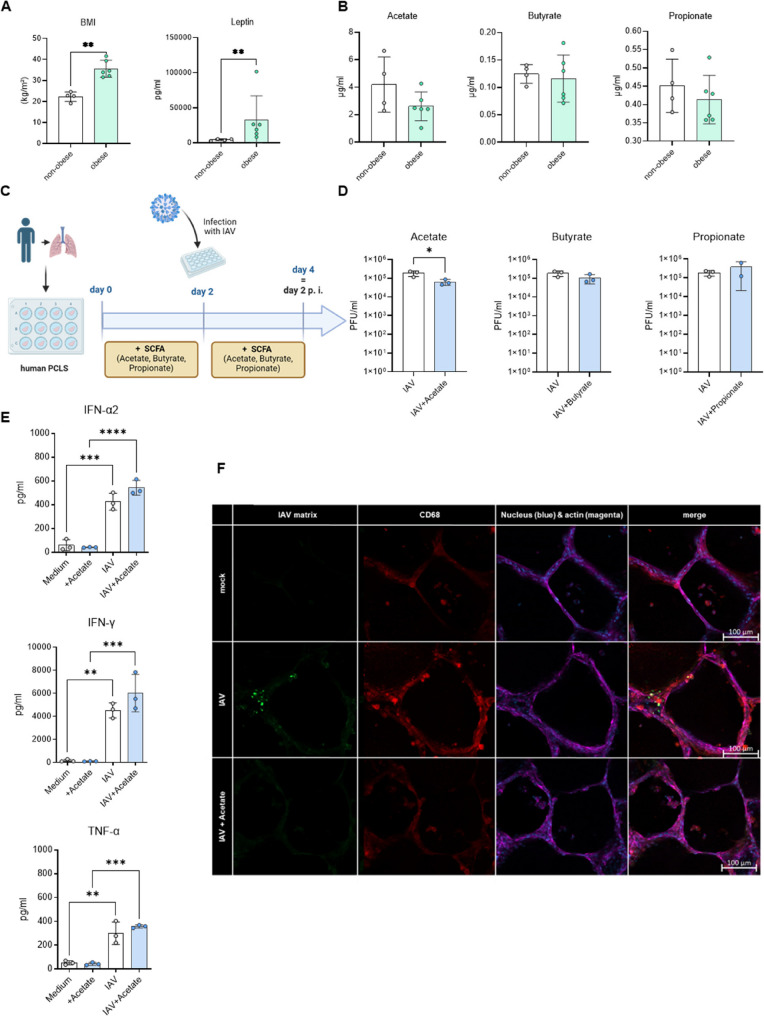
Methods: We used a HFD-mouse model to evaluate gut microbiota composition, SCFA levels, and pulmonary outcomes following IAV infection. Microbial changes were analyzed via taxonomic and functional profiling and SCFA levels were measured from non-obese and obese serum donors. Ultimately, acetate's effects were tested ex vivo in human precision-cut lung slices (PCLS) and in vitro in pulmonary epithelial cells. Mechanistic studies investigated the involvement of the SCFA receptor free fatty acid receptor 2 (FFAR2) and intracellular antiviral pathways.
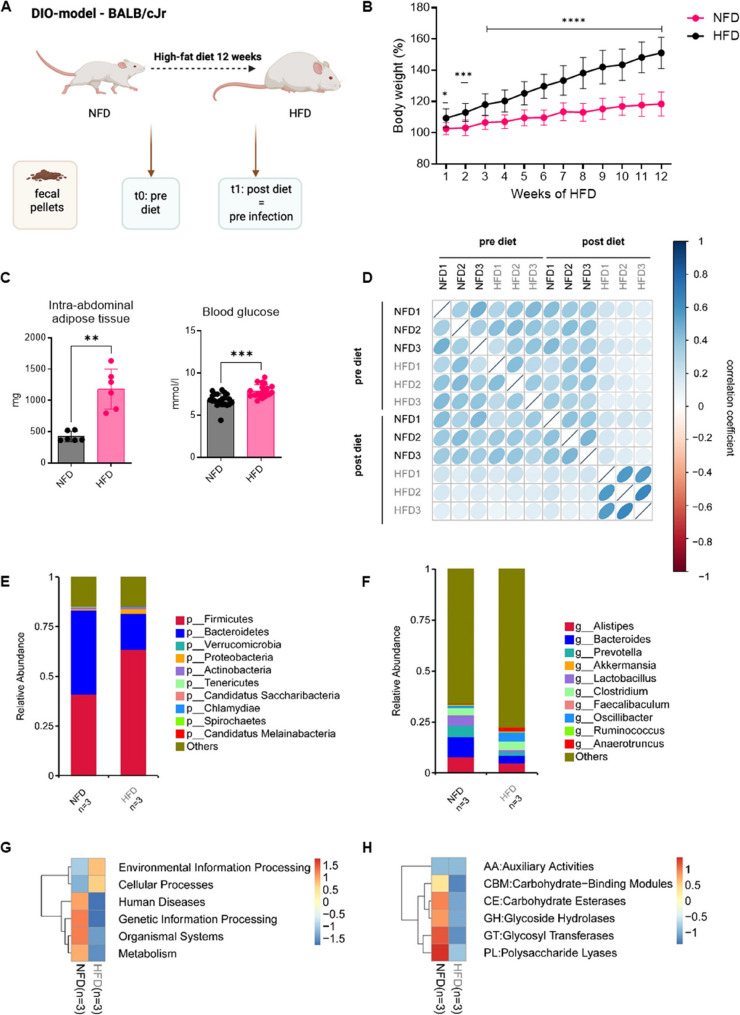
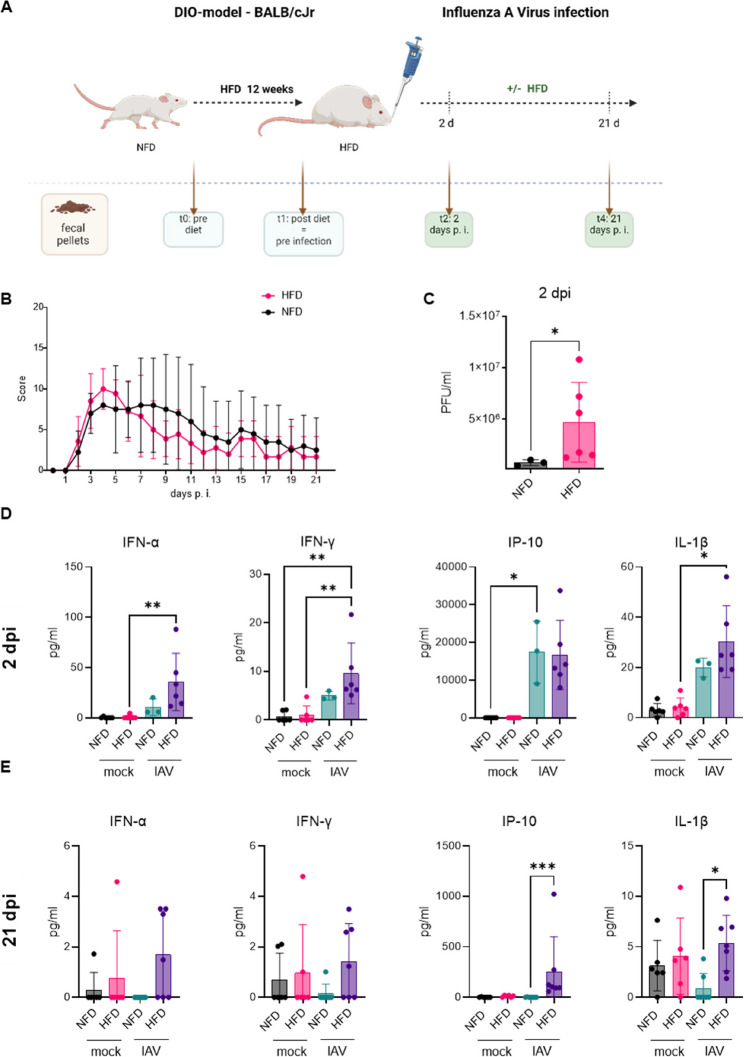
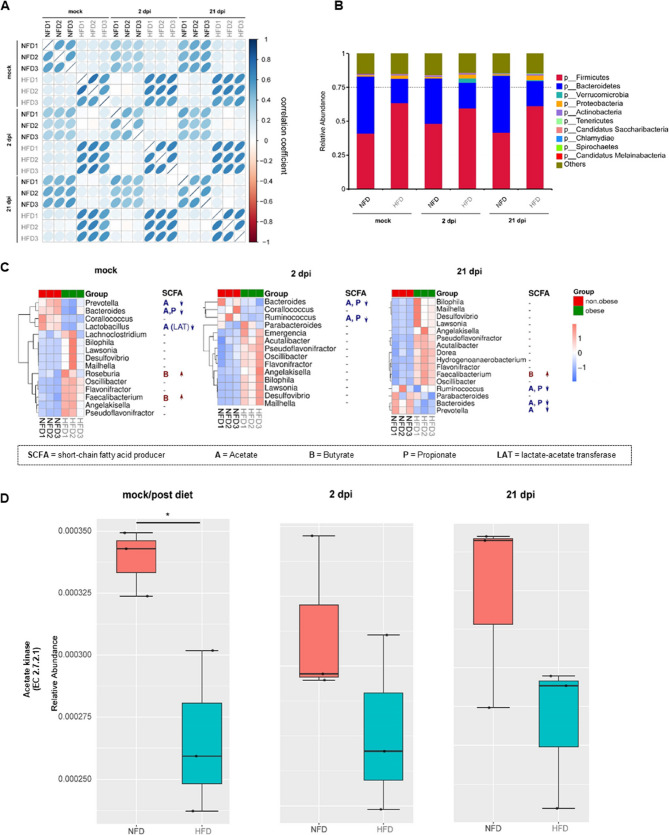
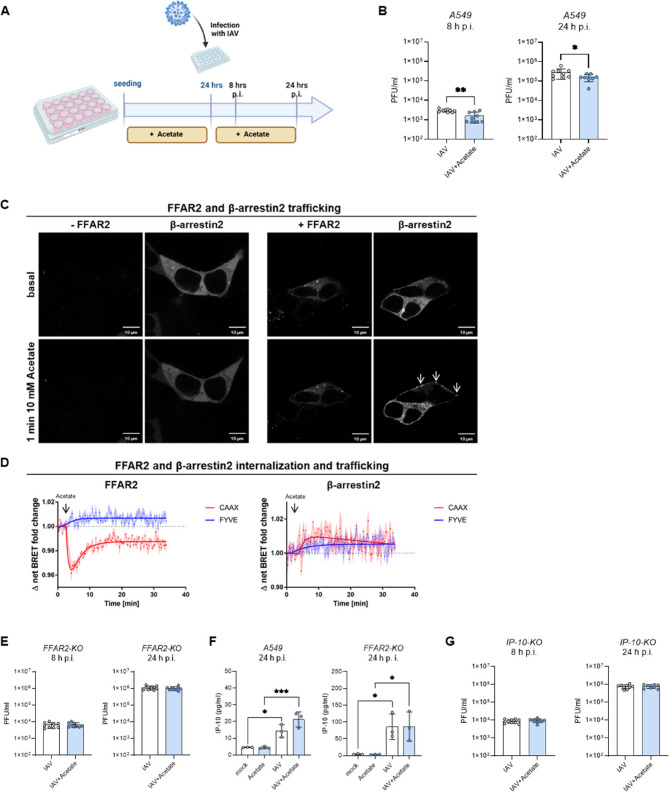
Results: Our data indicates an increased Firmicutes/Bacteroidetes ratio of the gut microbiome and an altered carbohydrate metabolism, leading to reduced SCFA production. Infected HFD mice showed increased IAV titers and sustained microbial alterations. Interestingly, acetate demonstrated antiviral effects in both the human PCLS model and pulmonary cells with an reduced viral replication. These effects depended on FFAR2, which also acts as an IAV co-receptor, as acetate treatment led to FFAR2 internalization and influenced host cell metabolism in our in vitro data.
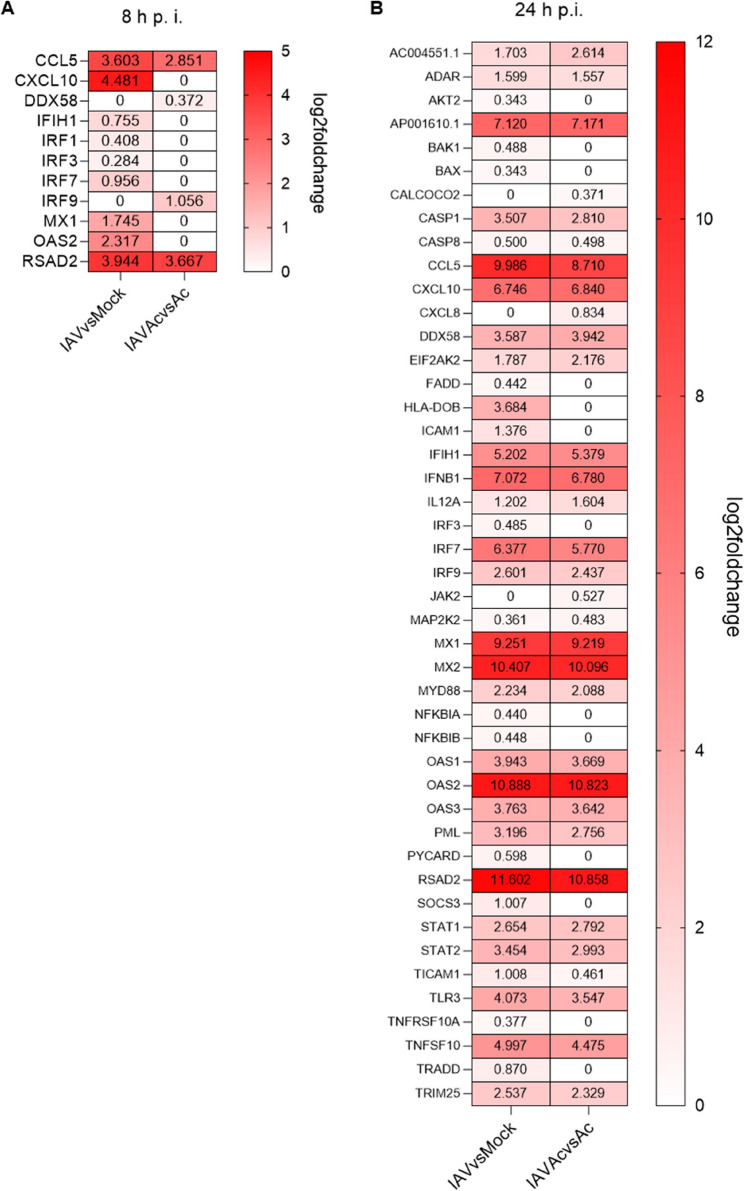
Conclusion: HFD alters the SCFA production, reducing acetate levels in the gut microbiome. This reduction may lead to higher viral loads and worsened disease in HFD mice infected with IAV. Our findings indicate that acetate has antiviral effects during IAV infection in both a human ex vivo lung model and pulmonary epithelial cells. Here, acetate prevents viral entry and affects the cellular metabolic state and antiviral response. Understanding these mechanisms could provide new targets for preventing and treating viral infections in individuals with diet-related health issues.
Keywords: Acetate; FFAR2; Gut-lung-axis; High-fat diet; Influenza A virus; Interferon response; Microbial metabolites; Short-chain fatty acids.
© 2025. The Author(s).
Conflict of interest statement
Declarations. Ethics approval and consent to participate: In vivo infections were conducted using the H1N1 influenza virus strain Influenza A/Jena/00084/16 (84/16) isolated from a human patient with ethics approval from the Jena University Hospital (no 2018 − 1263). The animal experiment was approved by the Office for Consumer Protection of Thuringia (TV-Nr: 02-018/16). According to Hornung et al., Human lung lobe specimens were received from the Department of Cardiothoracic Surgery, Jena University Hospital-Friedrich Schiller University of Jena, approved by the local ethics board (no. 2018 − 1263, 2020 − 1894, and no. 2020 − 1773) [19]. Consent for publication: Not applicable. Competing interests: The authors declare no competing interests.
Figures
References
-
- Duncan SH, Conti E, Ricci L, Walker AW. Links between Diet, Intestinal Anaerobes, Microbial Metabolites and Health. Biomed. 2023;11(5):1338. Available from: https://www.mdpi.com/2227-9059/11/5/1338/htm. Cited 2024 Feb 5. - PMC - PubMed
-
- Ecklu-Mensah G, Choo-Kang C, Maseng MG, Donato S, Bovet P, Viswanathan B et al. Gut microbiota and fecal short chain fatty acids differ with adiposity and country of origin: the METS-microbiome study. Nat Commun. 2023;14(1):1–17. Available from: https://www.nature.com/articles/s41467-023-40874-x. Cited 2024 Feb 5. - PMC - PubMed
-
- van der Hee B, Wells JM. Microbial Regulation of Host Physiology by Short-chain Fatty Acids. Trends Microbiol. 2021;29(8):700–12. Available from: http://www.cell.com/article/S0966842X21000354/fulltext. Cited 2024 Aug 16. - PubMed
-
- Hildebrandt MA, Hoffmann C, Sherrill–Mix SA, Keilbaugh SA, Hamady M, Chen Y et al. High-Fat Diet Determines the Composition of the Murine Gut Microbiome Independently of Obesity. Gastroenterology. 2009;137(5):1716–1724.e2. Available from: https://linkinghub.elsevier.com/retrieve/pii/S0016508509014577. Cited 2022 Apr 20. - PMC - PubMed
MeSH terms
Substances
LinkOut - more resources
Full Text Sources
Medical
