


Australian GPs' experiences, practices, and perspectives on postpartum care, contraception, and breastfeeding
- PMID: 40745992
- PMCID: PMC12343020
- DOI: 10.1093/fampra/cmaf055
Australian GPs' experiences, practices, and perspectives on postpartum care, contraception, and breastfeeding
Abstract
Background: Unintended pregnancies and short interpregnancy intervals (IPIs) are common and can be associated with adverse neonatal and maternal outcomes. Effective postpartum contraception could provide women with more control over their reproductive outcomes. Lactational amenorrhoea can be effective contraception; however, early breastfeeding discontinuation is common. This study aimed to explore and understand the experiences, practices, and perspectives of Australian general practitioners (GPs) in relation to postpartum care, contraception, and breastfeeding.
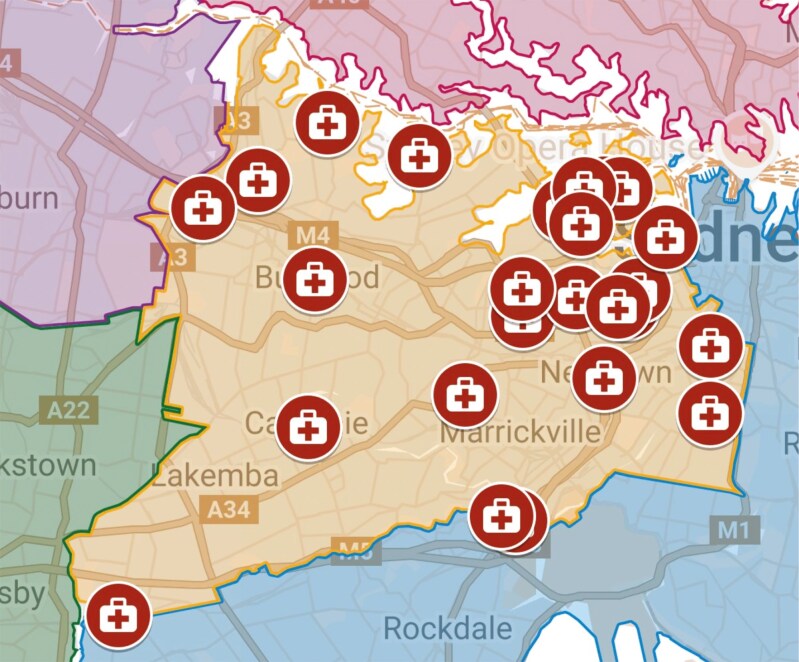
Methods: Twenty-one qualitative, semi-structured interviews were conducted with GPs working in Sydney, Australia. Interviews were audio-recorded and transcribed for directed content analysis and thematic analysis.
Results: Directed content analysis identified a diverse range of issues that constitute postpartum care. Thematic analysis identified four themes:(1) GPs have a holistic view of the postpartum period and play a coordinator role in postpartum care.(2) GPs identify opportunities for empowering postpartum women in their healthcare.(3) GPs perceive that women deprioritize their postpartum care and contraception.(4) GPs identify barriers and facilitators for postpartum care delivery.Subthemes provided further detail about how GPs consult with postpartum patients and opportunities to improve care. They noted areas of professional development needs and discussed the system, professional and patient factors impacting care.
Conclusions: We identified several areas for improving postpartum care, including routine antenatal contraception counselling, revisiting the timing of postpartum visits, improving GP education in IPIs and breastfeeding, and improving engagement in postpartum care services through patient education.
Keywords: breastfeeding; contraception; family planning; gynecology; maternity care; obstetrics; postpartum care; primary care; reproductive health; women’s health.
© The Author(s) 2025. Published by Oxford University Press.
Conflict of interest statement
Nil conflicts of interest to declare.
Figures
References
-
- White K, Teal SB, Potter JE.. Contraception after delivery and short interpregnancy intervals among women in the United States. Obstet Gynecol 2015;125:1471–7. https://doi.org/ 10.1097/AOG.0000000000000841 - DOI - PMC - PubMed
-
- Dev R, Kohler P, Feder M, et al. A systematic review and meta-analysis of postpartum contraceptive use among women in low- and middle-income countries. Reprod Health 2019;16:154. https://doi.org/ 10.1186/s12978-019-0824-4 - DOI - PMC - PubMed
-
- Yang JM, Cheney K, Taylor R, et al. Interpregnancy intervals and women’s knowledge of the ideal timing between birth and conception. BMJ Sex Reprod Health 2019;45:249–54. https://doi.org/ 10.1136/bmjsrh-2018-200277 - DOI - PubMed
-
- World Health Organization. Report of a WHO Technical Consultation on Birth Spacing. [Internet]. Geneva Switzerland: World Health Organization, 2005. June. [cited 7 Aug 2024]. https://iris.who.int/bitstream/handle/10665/69855/WHO_RHR_07.1_eng.pdf?s...
-
- Dorney E, Mazza D, Black KI.. Interconception care. Aust J Gen Pract 2020;49:317–22. https://doi.org/ 10.31128/AJGP-02-20-5242 - DOI - PubMed
