


Impact assessment for just transition of protein production systems
- PMID: 40748978
- PMCID: PMC12316291
- DOI: 10.1371/journal.pone.0328789
Impact assessment for just transition of protein production systems
Abstract
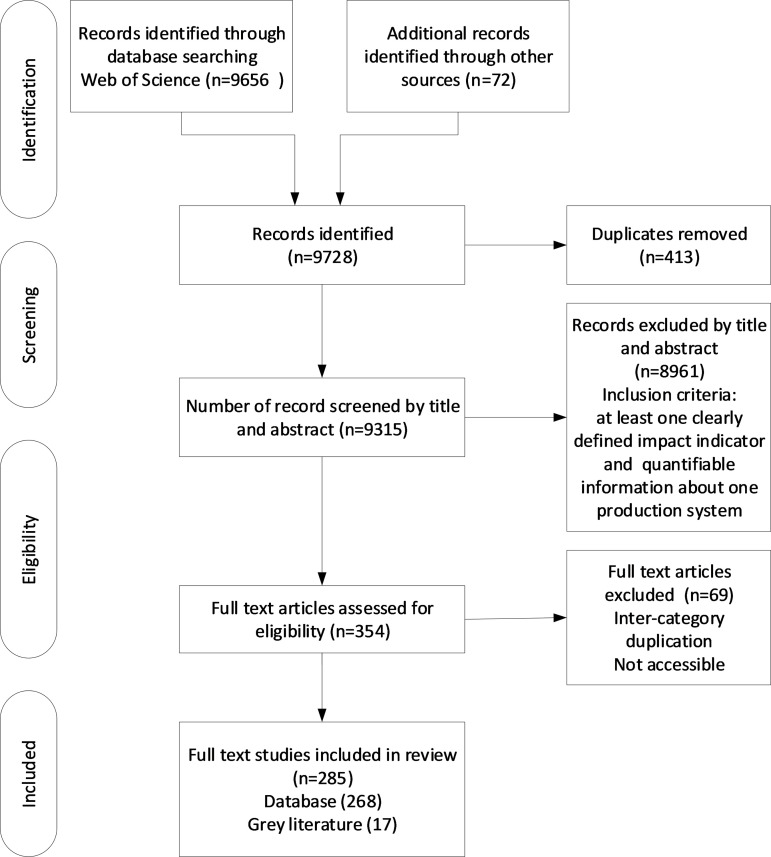
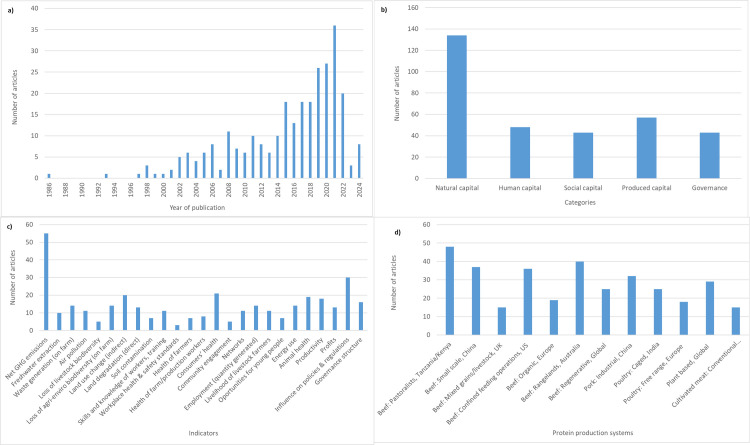
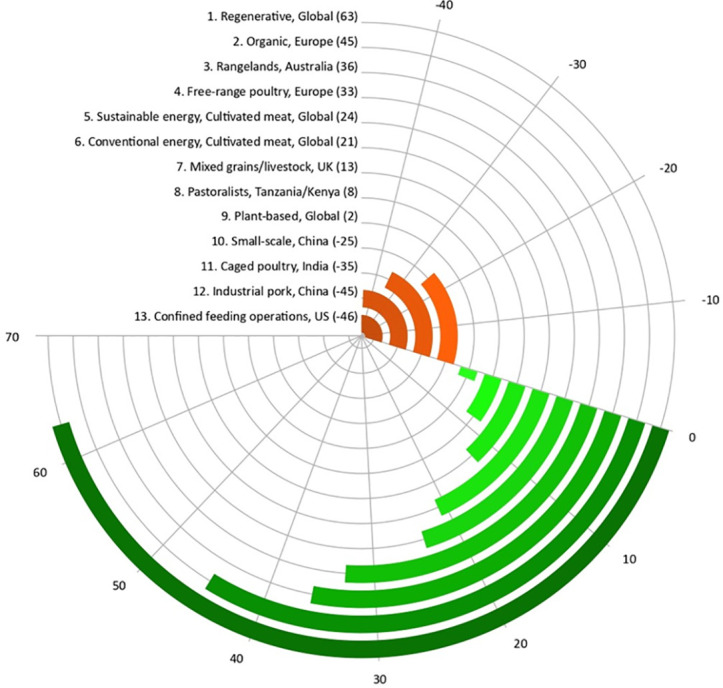
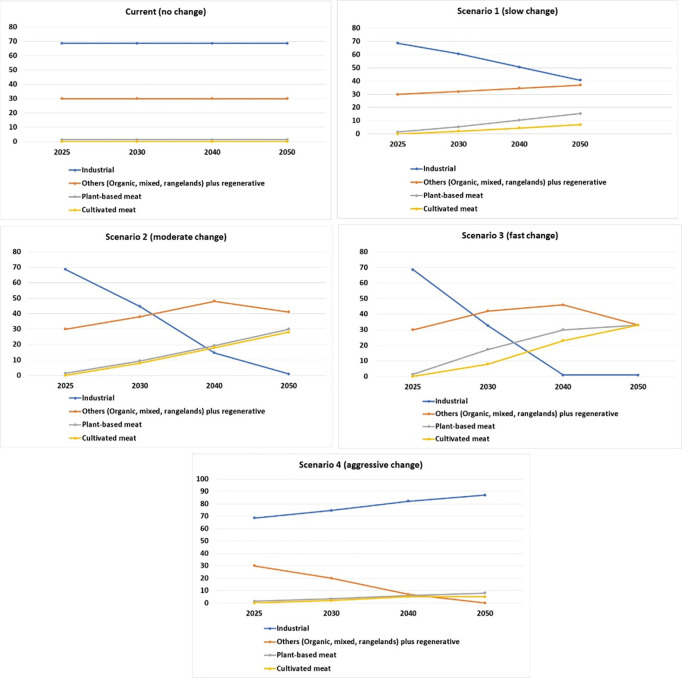
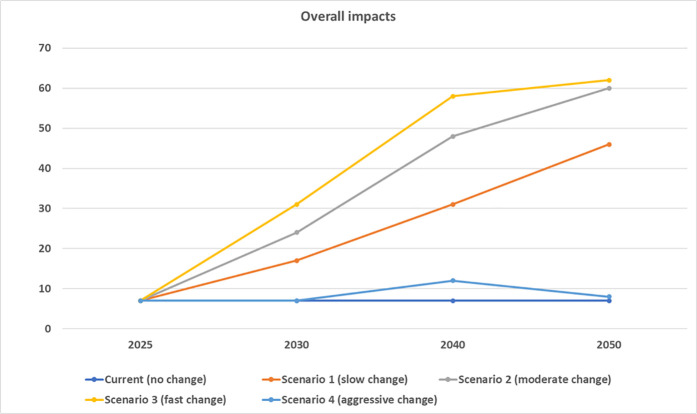
Understanding the impacts of protein production systems is necessary to plan the just transition of food systems. We analysed 285 studies to assess the impacts of 13 protein systems across 25 indicators under five key categories-natural capital, human capital, social capital, produced capital and governance. Nine protein systems (regenerative, organic, rangelands, free-range poultry, sustainable energy cultivated meat, conventional energy cultivated meat, mixed grains and livestock, pastoralists and plant-based) have overall positive impacts across all five categories. In comparison, four protein systems have negative impacts (small-scale beef, caged poultry, industrial pork, and confined feeding operations). We then used this in-depth assessment to develop five 'what if' future scenarios to track and assess the transition of protein production systems to 2050. Rapid reduction of industrial production may contribute to a just and inclusive transition of protein production systems. This assessment can help reduce risks associated with negative impacts and assist in governing and managing protein production systems towards long-term sustainability.
Copyright: © 2025 Sandhu et al. This is an open access article distributed under the terms of the Creative Commons Attribution License, which permits unrestricted use, distribution, and reproduction in any medium, provided the original author and source are credited.
Conflict of interest statement
Co-author Dr Lee Recht was previously employed at Aleph Farms during the data analysis and writing of the article. Dr Recht no longer works at this organisation.
Figures
References
-
- TEEB. TEEB for agriculture & food: scientific and economic foundations. United Nations Environment Program: Geneva. 2018. http://teebweb.org/agrifood/scientific-and-economic-foundations-report/
-
- Sandhu H, Müller A, Sukhdev P, Merrigan K, Tenkuano A, Kumar P, et al. The future of agriculture and food: evaluating the holistic costs and benefits. Anthr Rev. 2019;6(3):270–8.
-
- Ambikapathi R, Schneider KR, Davis B, Herrero M, Winters P, Fanzo JC, et al. Global food systems transitions have enabled affordable diets but had less favourable outcomes for nutrition, environmental health, inclusion and equity. Nat Food. 2022;3(9):764–79. doi: 10.1038/s43016-022-00588-7 - DOI - PubMed
-
- FAO, UNICEF, WFP and WHO. The state of food security and nutrition in the world 2022. Repurposing food and agricultural policies to make healthy diets more affordable. 2022. doi: 10.4060/cc0639en - DOI
-
- IPES-Food. Breaking the cycle of unsustainable food systems, hunger, and debt. 2023. https://www.ipes-food.org/_img/upload/files/DebtFoodCrisis.pdf
MeSH terms
LinkOut - more resources
Full Text Sources
