


The predictive value of the neutrophil/eosinophil ratio in cancer patients undergoing immune checkpoint inhibition: a meta-analysis and a validation cohort in hepatocellular carcinoma
- PMID: 40761780
- PMCID: PMC12318750
- DOI: 10.3389/fimmu.2025.1633034
The predictive value of the neutrophil/eosinophil ratio in cancer patients undergoing immune checkpoint inhibition: a meta-analysis and a validation cohort in hepatocellular carcinoma
Abstract
Objective: This study was conducted to determine the prognostic relevance of neutrophil/eosinophil ratio (NER) in cancer patients receiving immune checkpoint inhibition therapy.
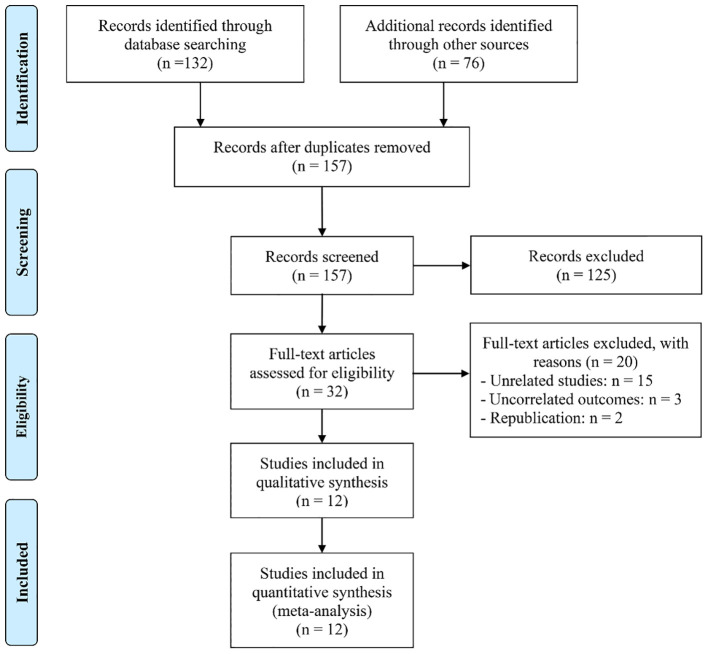
Methods: A comprehensive search of the literature was carried out across PubMed, EMBASE, and the Cochrane Library to identify relevant studies published before May 2025. Key clinical endpoints included overall survival (OS), progression-free survival (PFS), objective response rate (ORR), and disease control rate (DCR). Additionally, a retrospective cohort analysis involving 67 hepatocellular carcinoma (HCC) patients who received ICIs at our center was undertaken to evaluate the prognostic significance of NER with respect to OS and PFS.
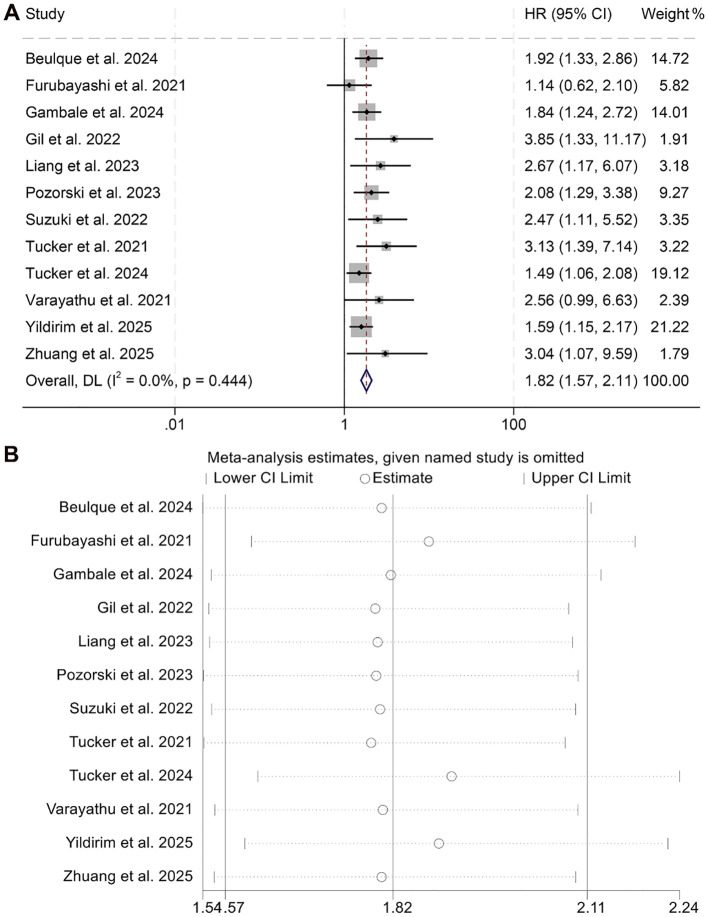
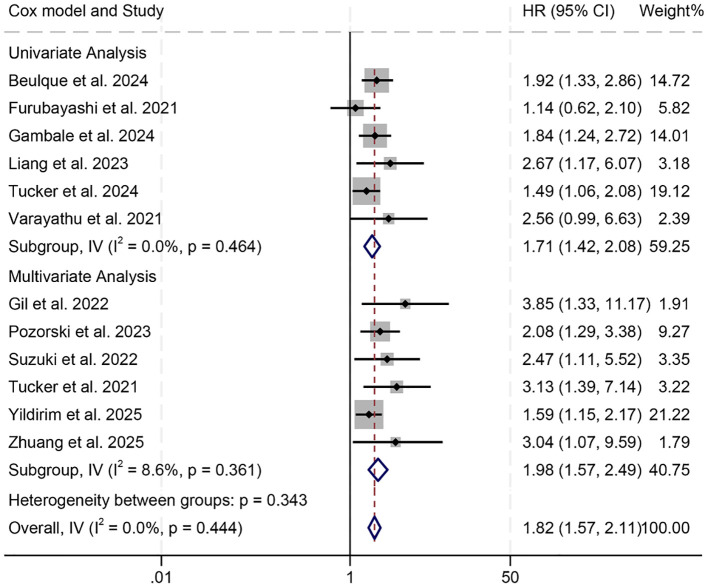
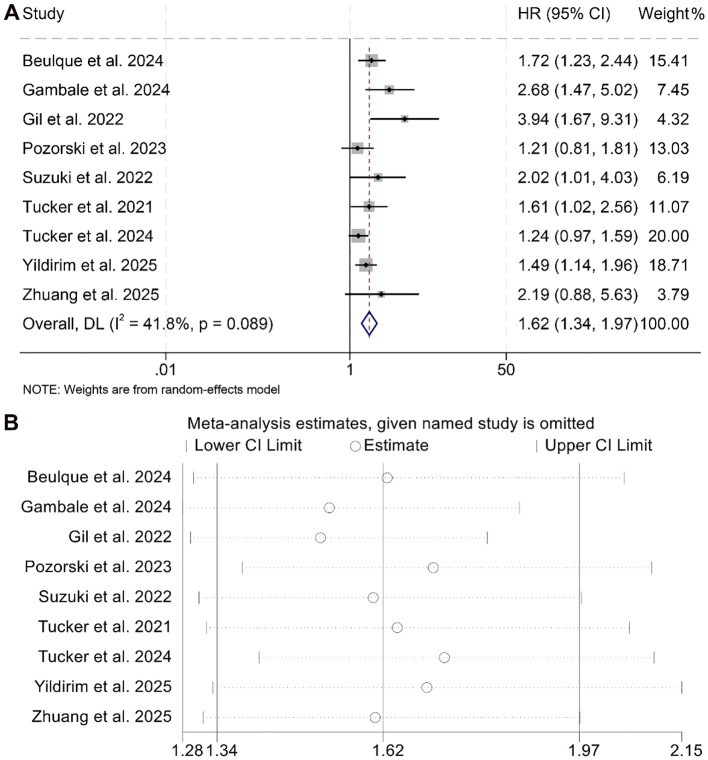
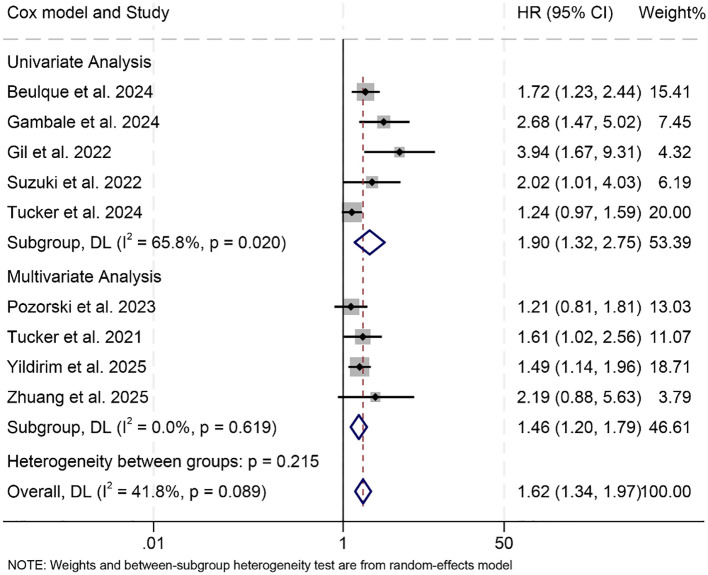
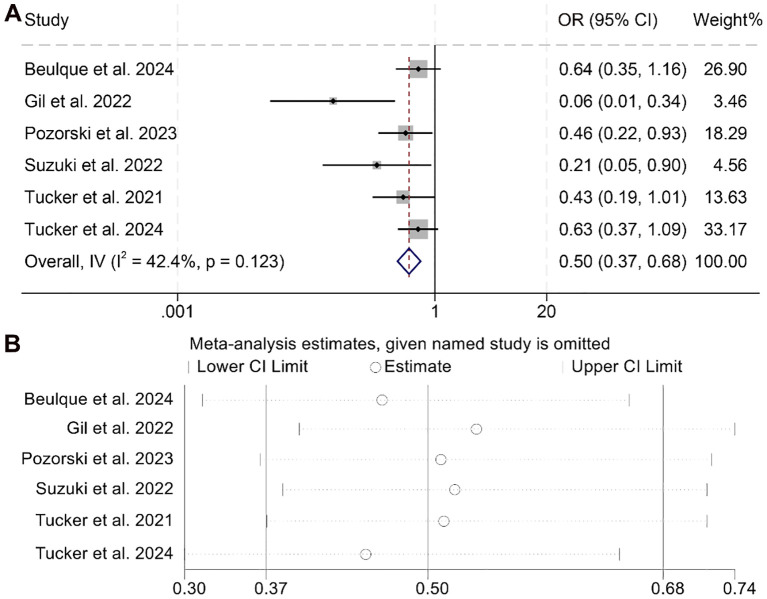
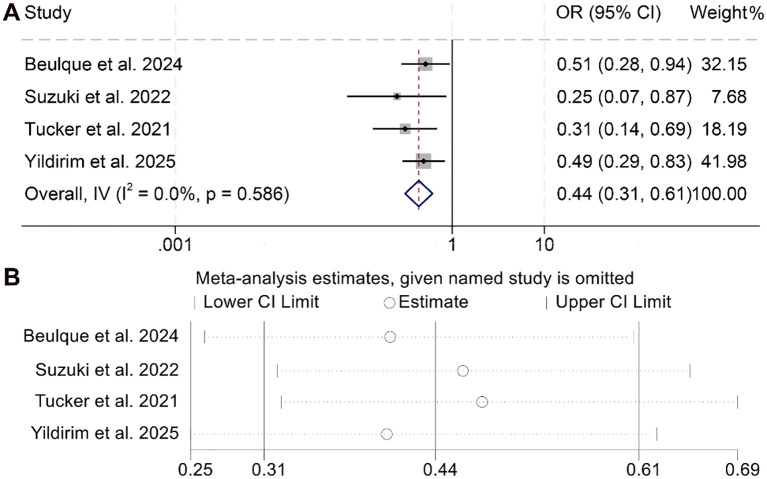
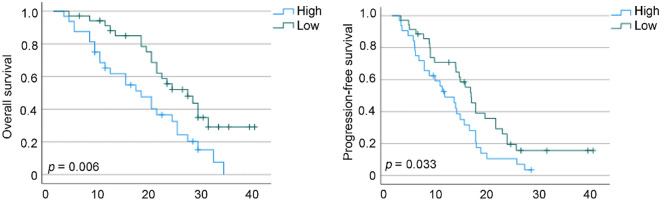
Results: This meta-analysis incorporated 12 studies comprising a total of 1,716 patients. Higher baseline NER was consistently associated with poorer clinical outcomes, including shorter OS (HR = 1.82, 95% CI: 1.57-2.11, p < 0.001) and PFS (HR = 1.62, 95% CI: 1.34-2.97, p < 0.001), as well as lower ORR (HR = 0.50, 95% CI: 0.37-0.68, p < 0.001) and DCR (OR = 0.44, 95% CI: 0.31-0.61, p < 0.001). Complementing these findings, analysis of a retrospective cohort from our institution involving HCC patients revealed that individuals with higher NER experienced significantly worse OS (p = 0.006) and PFS (p = 0.033) when compared to those with lower NER levels.
Conclusion: These findings underscore the prognostic significance of pretreatment NER in cancer patients receiving ICI therapy. Integrating NER into standard clinical evaluation may enhance risk stratification and contribute to the personalization of treatment strategies.
Keywords: cancer; hepatocellular carcinoma; immune checkpoint inhibitors; neutrophil-to-eosinophil ratio; prognosis.
Copyright © 2025 Xu, Liu, Han, He and Cao.
Conflict of interest statement
The authors declare that the research was conducted in the absence of any commercial or financial relationships that could be construed as a potential conflict of interest.
Figures
References
-
- Sordo-Bahamonde C, Lorenzo-Herrero S, Granda-Díaz R, Martínez-Pérez A, Aguilar-García C, Rodrigo JP, et al. Beyond the anti-PD-1/PD-L1 era: promising role of the BTLA/HVEM axis as a future target for cancer immunotherapy. Mol Cancer. (2023) 22:142. doi: 10.1186/s12943-023-01845-4, PMID: - DOI - PMC - PubMed
Publication types
MeSH terms
Substances
LinkOut - more resources
Full Text Sources
Medical
