Diversity, antibacterial and antioxidant activities of fungi associated with Apis cerana
- PMID: 40761805
- PMCID: PMC12320804
- DOI: 10.7717/peerj.19762
Diversity, antibacterial and antioxidant activities of fungi associated with Apis cerana
Abstract
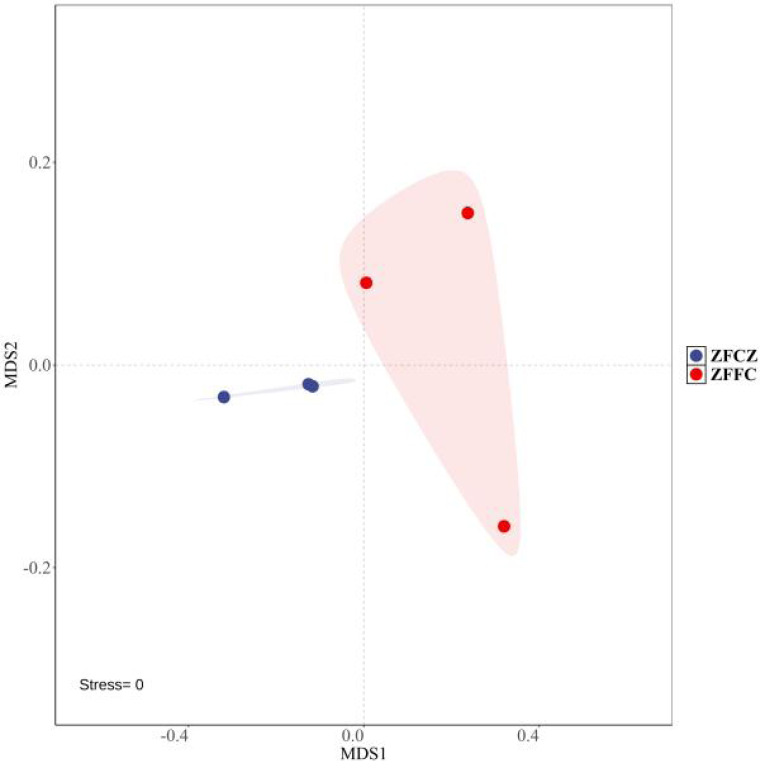
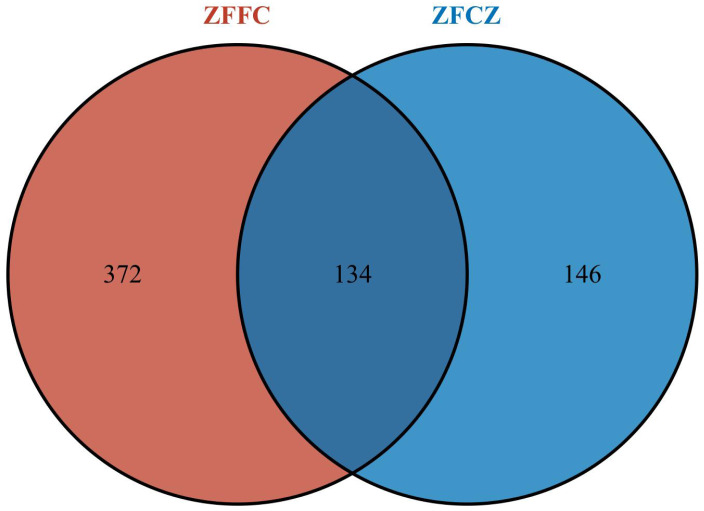
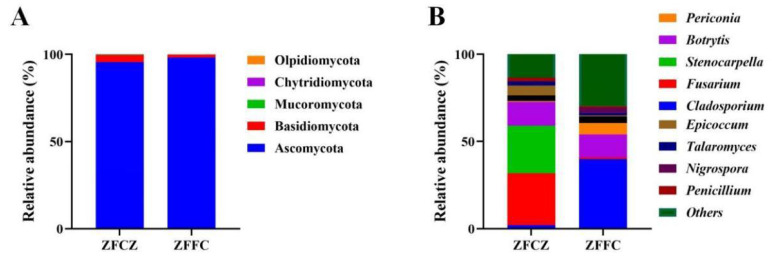
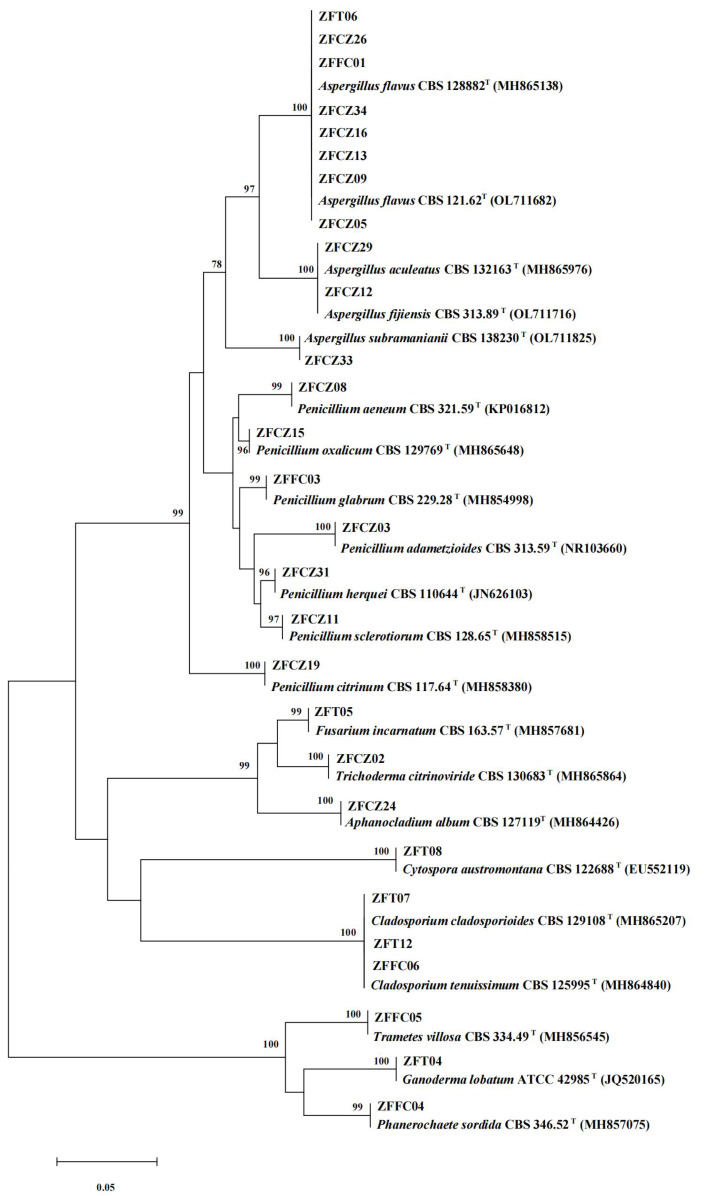
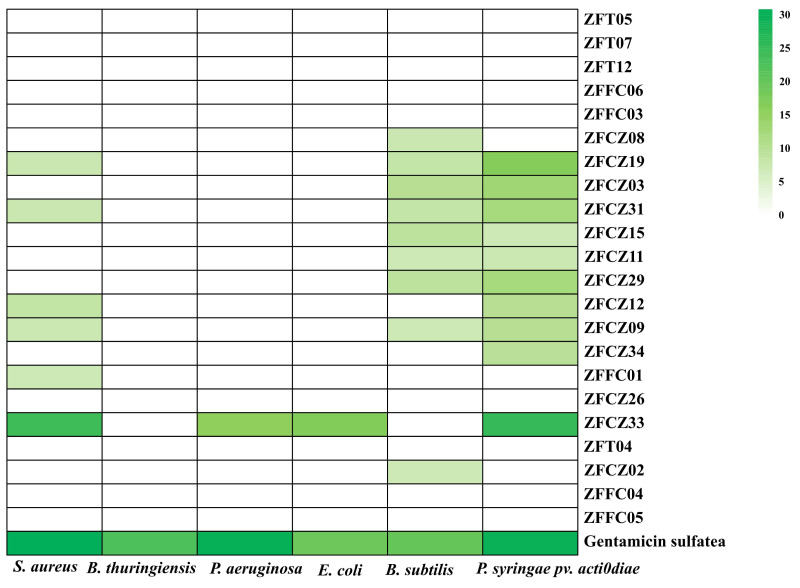
Insect-associated fungi are a treasure trove of natural active compounds. Nevertheless, the diversity and biological activities of fungi associated with Apis cerana have not been studied in depth. Here, we investigated fungal diversity in the A. cerana gut and honeycomb using a combination of culture-dependent and -independent methods. A total of 652 fungal operational taxonomic units belonging to five phyla and 334 genera were detected in the samples. Significant differences were found in the fungal communities of the honeybee gut and honeycomb-the genera Fusarium, Stenocarpella, and Botrytis were dominant in the gut, whereas Botrytis, Periconia, and Aspergillus were dominant in honeycomb. A total of 28 fungal strains were isolated from honeybee gut, head, and honeycomb, belonging to two phyla, four classes, and 10 genera. Most of these isolates were identified as Aspergillus, Penicillium, and Cladosporium spp. The antibacterial and antioxidant activities of crude extracts of their fermentation broths were investigated. Extract from A. subramanianii ZFCZ33 exhibited the best antibacterial activities against Staphylococcus aureus, Pseudomonas aeruginosa, Escherichia coli, and P. syringae pv. Actinidiae with the disc diameter of inhibition zone diameter (IZD) of 24.33, 15.33, 17.00, and 25.33 mm, respectively. Extract from P. adametzioides ZFCZ03 had a free radical scavenging rate of 89.71% in assay with 2,2-diphenyl-1-picrylhydrazyl, and that from strain ZFT07 had a free radical scavenging rate of 97.13% in assay with 2,2'-azino-bis(3-ethylbenzothiazoline-6-sulfonic acid). Our results preliminarily elucidate the fungal diversity of A. cerana gut and honeycomb and indicate that honeybee-associated fungi have antibacterial and antioxidant activities. This study provides a basis for further development and use of honeybee-associated fungi.
Keywords: Antibacterial activity; Antioxidant activity; Apis cerana; Fungal diversity.
©2025 Cui et al.
Conflict of interest statement
The authors declare there are no competing interests.
Figures
References
-
- Boomi P, Ganesan R, Prabu PG, Jegatheeswaran S, Balakumar C, Prabu HG, Anand K, Marimuthu PN, Jeyakanthan J, Saravanan M. Phyto-engineered gold nanoparticles (AuNPs) with potential antibacterial, antioxidant, and wound healing activities under in vitro and in vivo conditions. International Journal of Nanomedicine. 2020;15:7553–7568. doi: 10.2147/IJN.S257499. - DOI - PMC - PubMed
-
- Bulatov T, Gensel S, Mainz A, Dang T, Koller TO, Voigt K, Ebeling J, Wilson DN, Genersch E, Süssmuth RD. Total synthesis and biological evaluation of paenilamicins from the honey bee pathogen Paenibacillus larvae. Journal of the American Chemical Society. 2022;144(1):288–296. doi: 10.1021/jacs.1c09616. - DOI - PubMed
-
- Callegari M, Crotti E, Fusi M, Marasco R, Gonella E, Noni ID, Romano D, Borin S, Tsiamis G, Cherif A, Alma A, Daffonchio D. Compartmentalization of bacterial and fungal microbiomes in the gut of adult honeybees. npj Biofilms and Microbiomes. 2021;7:42. doi: 10.1038/s41522-021-00212-9. - DOI - PMC - PubMed
MeSH terms
Substances
LinkOut - more resources
Full Text Sources
Medical
Miscellaneous