


Association between albumin-corrected anion gap and delirium in acute pancreatitis: insights from the MIMIC-IV database
- PMID: 40764528
- PMCID: PMC12323127
- DOI: 10.1186/s12876-025-04150-0
Association between albumin-corrected anion gap and delirium in acute pancreatitis: insights from the MIMIC-IV database
Abstract
Background: Delirium frequently occurs as a severe complication among patients with acute pancreatitis (AP), contributing to extended hospital stays, higher mortality rates, and lasting cognitive deficits. The pathogenesis of delirium in this setting is strongly influenced by metabolic abnormalities, including disturbances in electrolyte balance and widespread inflammation. Although the albumin-corrected anion gap (ACAG) is a recognized indicator of metabolic dysfunction, its relevance to delirium in AP patients has not been adequately investigated.
Methods: This study utilized patient records from the MIMIC-IV database to investigate how ACAG relates to the onset of delirium in individuals with acute pancreatitis. Analytical approaches included the use of summary statistics, Kaplan-Meier survival analyses, receiver operating characteristic (ROC) curve evaluation, and both univariable and multivariable Cox proportional hazards models. To capture potential nonlinear effects, restricted cubic spline (RCS) modeling was implemented. Subgroup analyses were conducted to examine possible demographic and clinical effect modifiers. Additionally, several machine learning algorithms-such as the Random Forest-were employed to further evaluate the predictive power of ACAG.
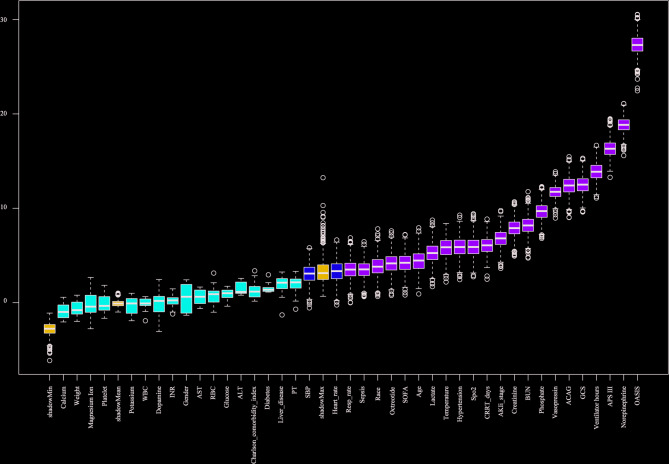
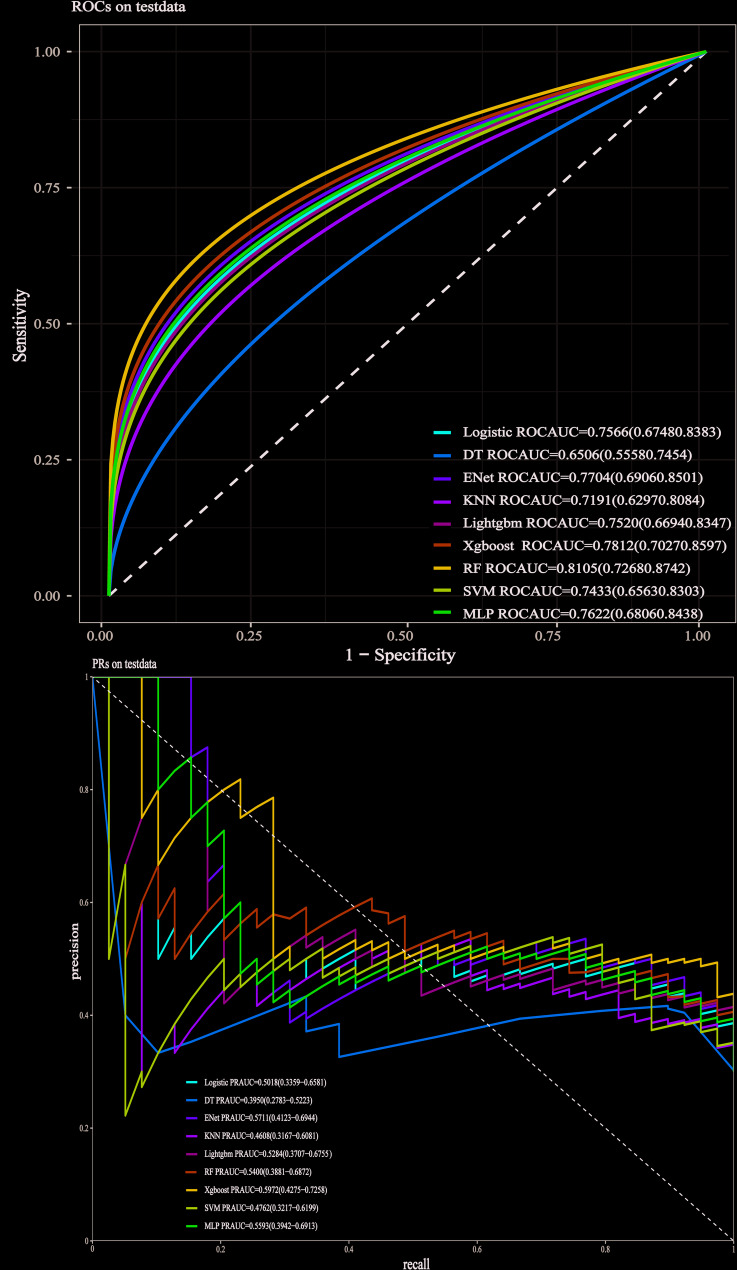
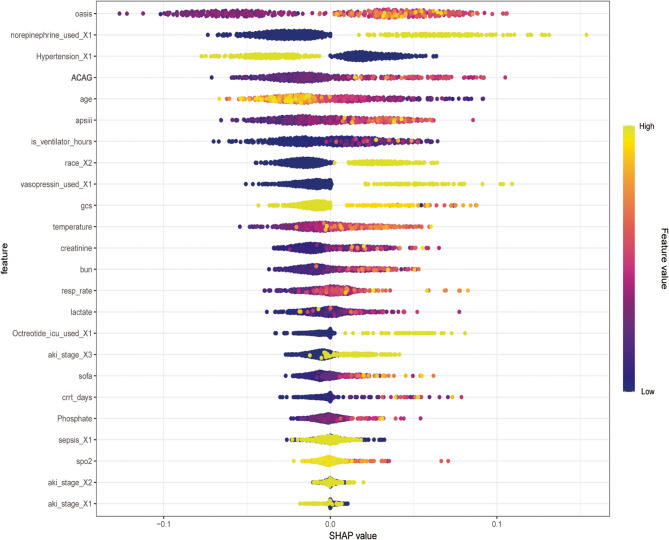
Results: Elevated levels of ACAG were independently linked to an increased likelihood of developing delirium during both the 28-day hospitalization period and throughout the ICU stay. Results from the multivariable Cox proportional hazards analysis indicated that each incremental rise in ACAG was associated with a greater risk of delirium (hazard ratio: 1.06, 95% confidence interval: 1.02-1.10, p < 0.001). The application of restricted cubic spline modeling verified the linear nature of this association. Among the machine learning models, the Random Forest achieved superior predictive accuracy (AUC = 0.81), and SHAP analysis highlighted ACAG as a primary determinant in model prediction.
Conclusions: The ACAG emerged as an independent predictor of delirium among individuals with acute pancreatitis, displaying a linear association with the risk of delirium onset. When compared to other commonly used biomarkers, ACAG exhibited enhanced predictive capacity for identifying patients at risk. These findings suggest that ACAG could serve as a practical clinical marker for the early detection and prompt management of delirium in this patient population.
Keywords: Acute pancreatitis; Albumin-Corrected anion gap; Anion gap; Delirium; Machine learning; Risk prediction.
© 2025. The Author(s).
Conflict of interest statement
Declarations. Ethics approval and consent to participate: The MIMIC-IV database complies with the ethical guidelines outlined in the Declaration of Helsinki and received approval from the Institutional Review Board (IRB) at Beth Israel Deaconess Medical Center (protocol number 2001P-001699/14). The IRB reviewed and authorized both the data acquisition procedures and the development of the research dataset, granting permission for data sharing and waiving the requirement for individual informed consent. Consent for publication: Not applicable. Competing interests: The authors declare no competing interests.
Figures


References
-
- Szendi I. Delirium: a common complication of severe pathological conditions. Orv Hetil. 2014;155(48):1895. 10.1556/oh.2014.30049. - PubMed
-
- Dong Z, Song J, Ge M, Lin C, Zhang J, Chen J, et al. Effectiveness of a multidisciplinary comprehensive intervention model based on the hospital elderly life program to prevent delirium in patients with severe acute pancreatitis. Ann Palliat Med. 2020;9(4):2221–8. 10.21037/apm-20-913. - PubMed
-
- Kealy J, Murray C, Griffin EW, Lopez-Rodriguez AB, Healy D, Tortorelli LS, et al. Acute inflammation alters brain energy metabolism in mice and humans: role in suppressed spontaneous activity, impaired cognition, and delirium. J Neurosci. 2020;40(29):5681–96. 10.1523/jneurosci.2876-19.2020. - PMC - PubMed
MeSH terms
Substances
LinkOut - more resources
Full Text Sources
Medical
Miscellaneous
