


Evaluation of the Antibacterial and Anti-Biofilm Activity of Chitosan-Arginine Nanoparticles and Sodium Fluoride against Streptococcus mutans
- PMID: 40765761
- PMCID: PMC12321303
- DOI: 10.22088/IJMCM.BUMS.14.2.637
Evaluation of the Antibacterial and Anti-Biofilm Activity of Chitosan-Arginine Nanoparticles and Sodium Fluoride against Streptococcus mutans
Abstract
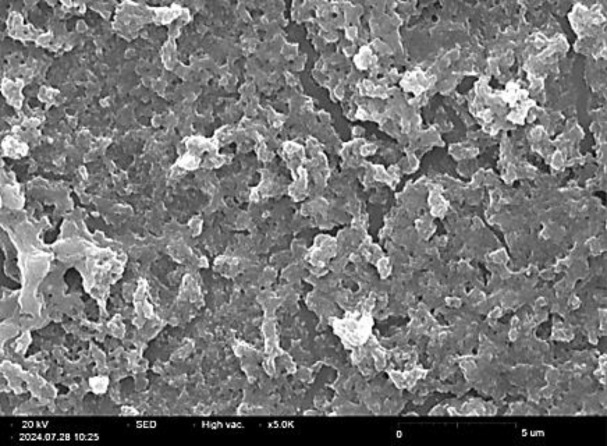
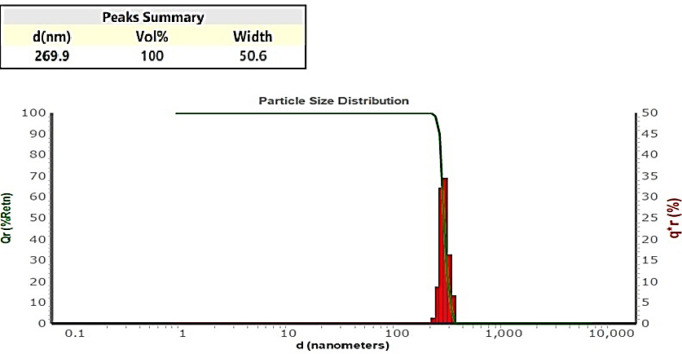
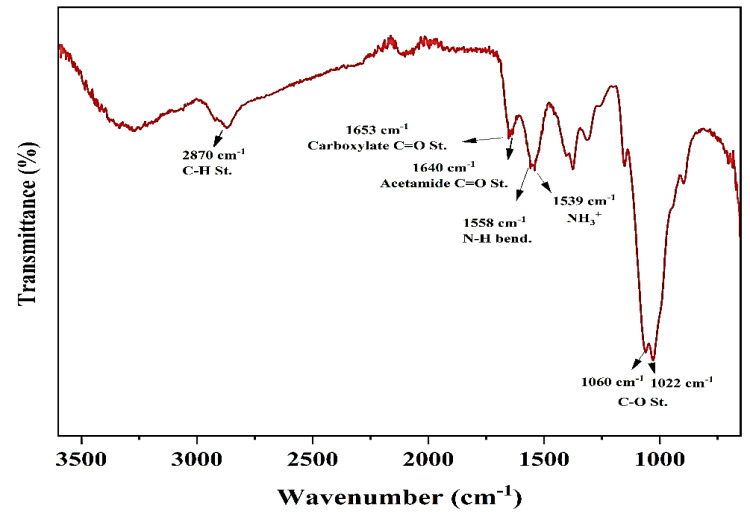
Dental caries is among the most prevalent chronic diseases. It arises from bacterial biofilm formation on tooth surfaces due to metabolic activity. Streptococcus mutans (S. mutans) is a key pathogen implicated in the development of dental caries. As bacterial resistance to conventional treatments increases, there is a growing interest in using novel compounds that possess antibacterial and antibiofilm properties. This study evaluated the effect of chitosan-arginine nanoparticles (CS-Arg NPs) and sodium fluoride (NaF) on inhibiting S. mutans' growth. After synthesizing CS-Arg NPs, their size, morphology, and chemical structure were evaluated. The broth microdilution method determined the minimum inhibitory concentration (MIC) and minimum bactericidal concentration (MBC) of CS-Arg NPs and NaF. The combined antibacterial and antibiofilm effect of CS-Arg NPs and NaF was assessed using the checkerboard method. The CS-Arg NPs had an average size of 269.9 nm with a zeta potential of +38.3 mV. The MIC of S. mutans for CS-Arg NPs and NaF was 312 µg/mL and 625 µg/mL, respectively, and the MBC for these NPs and NaF was 625 µg/mL and 2500 µg/mL, respectively. The fractional inhibitory concentration index (FICI) of the combination of CS-Arg NPs and NaF showed an additive effect (FICI = 1). The inhibitory effect of different concentrations of CS-Arg NPs and NaF, alone or in combination, on biofilm formation in the studied strain ranged from approximately 12% to 81%. This study demonstrated that CS-Arg NPs have antibacterial and antibiofilm properties against S. mutans, and their combination with NaF can enhance these antibacterial effects. These findings suggest that CS-Arg NPs and NaF, as a novel combination, could effectively develop oral hygiene products.
Keywords: Arginine; Chitosan; Sodium fluoride; Streptococcus mutans.
© The Author(s).
Figures
References
LinkOut - more resources
Full Text Sources
Research Materials