


Impact of household food insecurity and nutrition on depression and anxiety symptoms among adolescents living in rural Pakistan
- PMID: 40765949
- PMCID: PMC12322787
- DOI: 10.1017/gmh.2025.10006
Impact of household food insecurity and nutrition on depression and anxiety symptoms among adolescents living in rural Pakistan
Abstract
Background: This study investigates the links between dietary diversity, food insecurity and mental health (depression and anxiety) in adolescents from rural Pakistan. Adolescence is a critical time for developing mental health disorders, yet limited research exists on these issues in low- and middle-income countries (LMICs).
Methods: The study included 1,396 adolescents (ages 9-15) and assessed their mental health, nutrition and maternal well-being. Depression and anxiety were measured using standardized questionnaires, while dietary diversity and food insecurity were evaluated through household assessments. Incidence rate ratios assessed the relationship between nutrition and mental health.
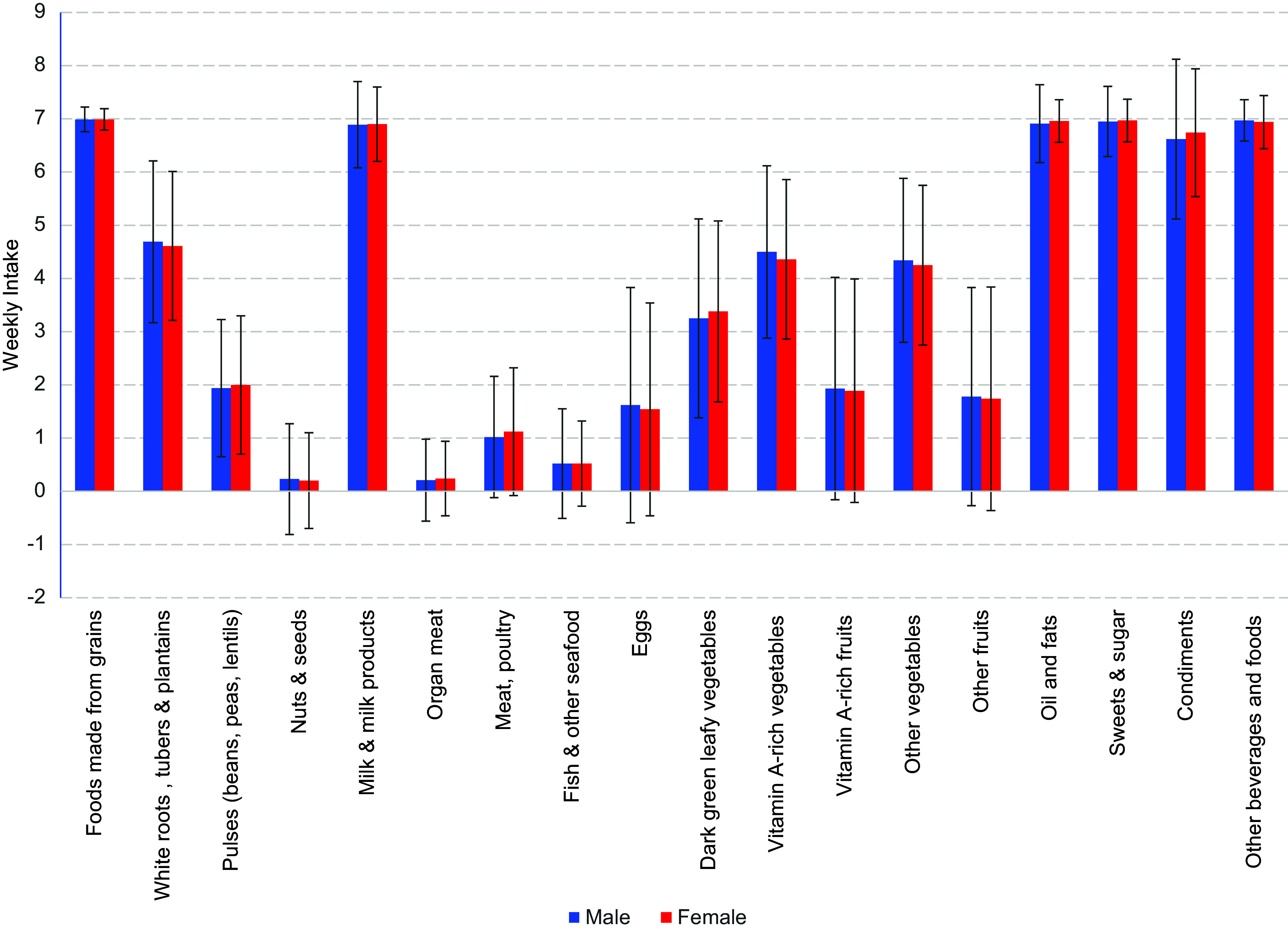
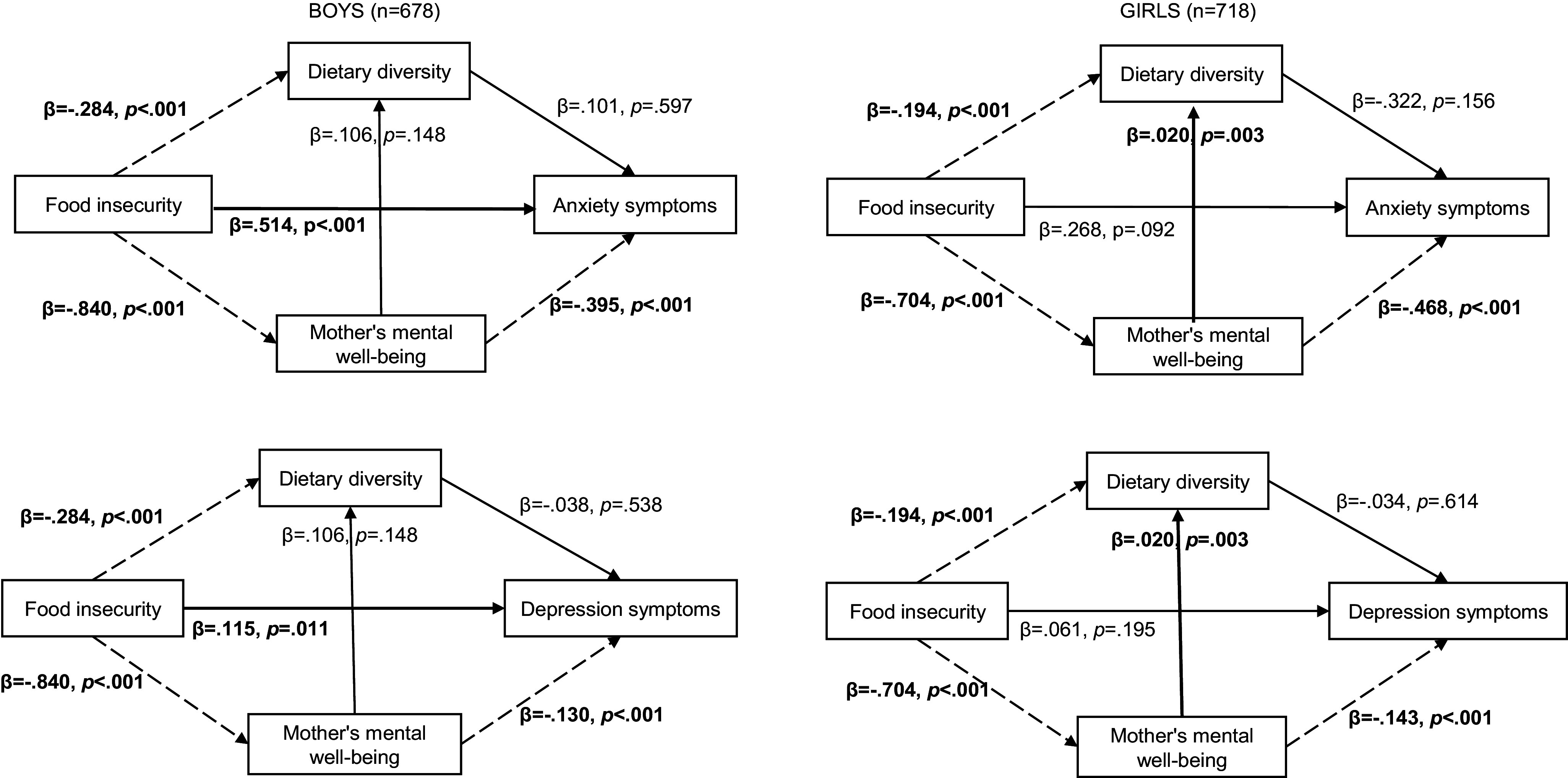
Results: Results showed that 8.1% of boys and 10.2% of girls experienced depression, with anxiety rates ranging from 5.8% to 39.1%. Adolescents from households with higher dietary diversity had lower symptoms of depression and anxiety (IRRs:0.91-0.96), while those with higher food insecurity had increased symptoms (IRRs:1.24-1.86). Folate deficiency was associated with depressive symptoms, particularly in boys. Maternal mental health was observed to mediate the relationship between food insecurity and adolescent depression and anxiety.
Conclusions: The study highlights that improving maternal mental health and addressing nutritional deficiencies, particularly folate, may benefit adolescent well-being. Further research in other LMICs is needed to explore these associations and their mechanisms.
Keywords: adolescents; anxiety; depression; dietary diversity; food insecurity; micronutrient deficiency.
© The Author(s) 2025.
Conflict of interest statement
The authors declared that they have no conflict of interest.
Figures
References
-
- Amjad A, Khan AU, Khattak S, Khalid S and Abid A (2022) Assessment of eating behaviors and nutritional status of adolescents: A school-based cross-sectional study conducted in Lahore, Pakistan. BioScientific Review 4(4), 101–113.
-
- Angold A, Costello EJ, Messer SC and Pickles A (1995) Development of a short questionnaire for use in epidemiological studies of depression in children and adolescents. International Journal of Methods in Psychiatric Research 5(4), 237–249.
-
- Ballard TJ, Kepple AW and Cafiero C (2013) The Food Insecurity Experience Scale: Development of a Global Standard for Monitoring Hunger Worldwide. Rome: FAO, p. 61
LinkOut - more resources
Full Text Sources