


Fibrinogen contributes to myelin deficit and cognitive impairment in aged mice after anesthesia and surgery
- PMID: 40770921
- PMCID: PMC12331660
- DOI: 10.1177/0271678X251338953
Fibrinogen contributes to myelin deficit and cognitive impairment in aged mice after anesthesia and surgery
Abstract
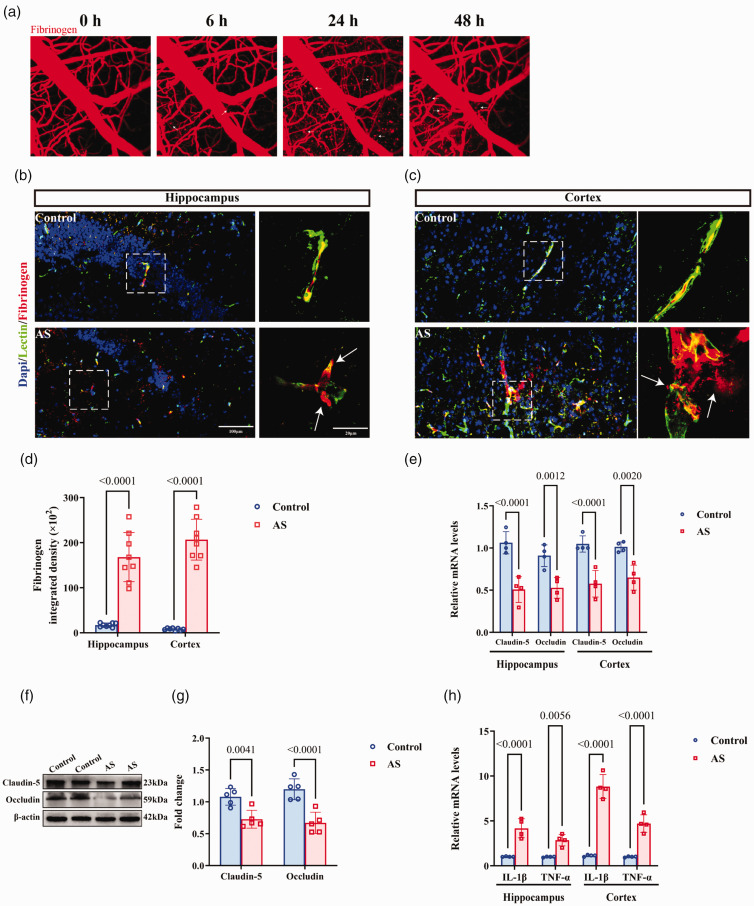
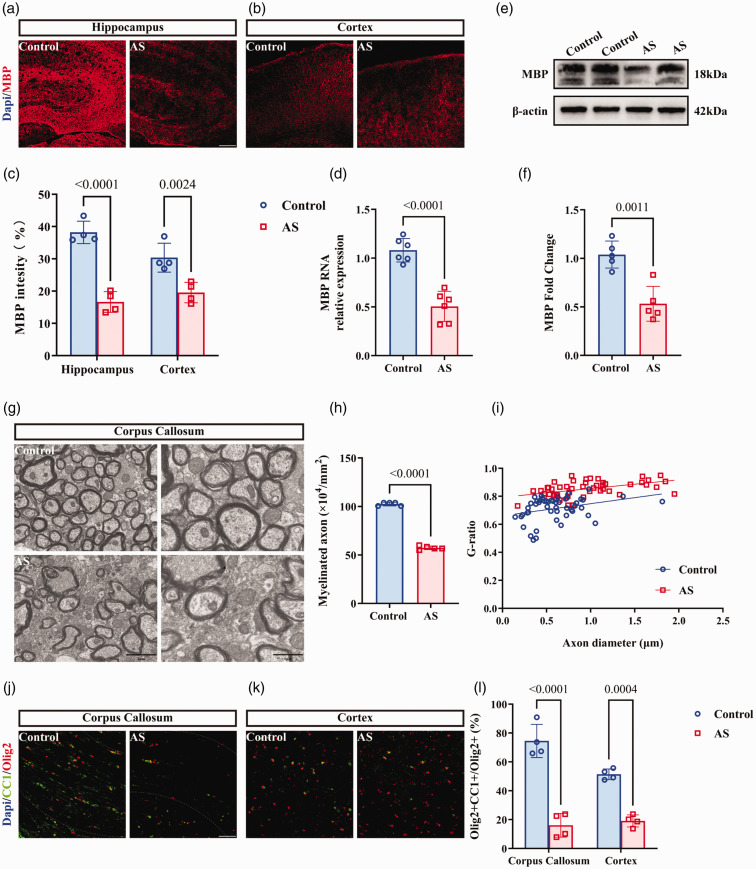
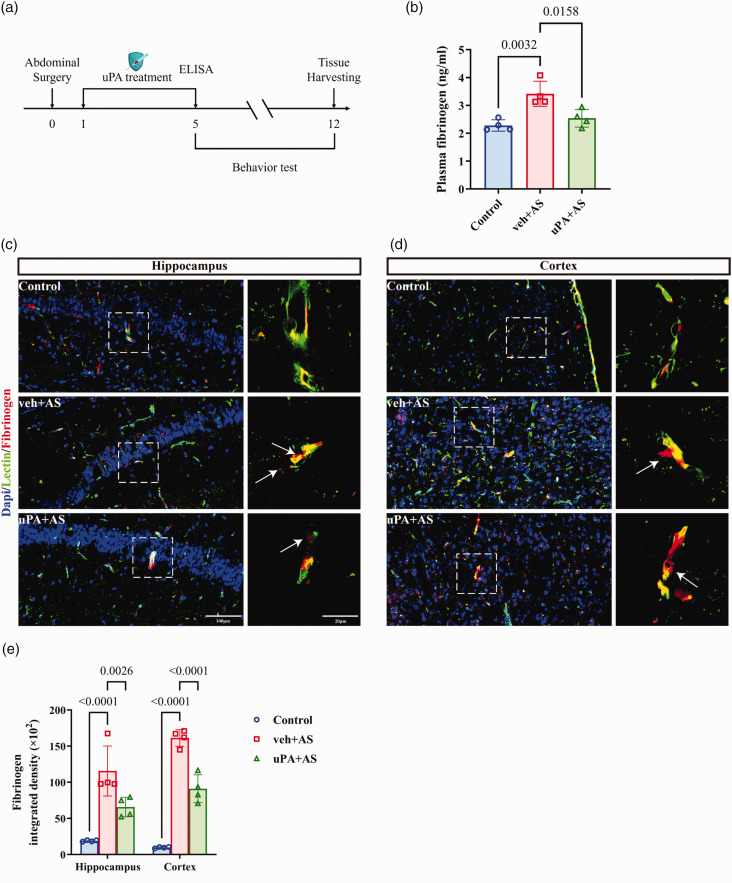
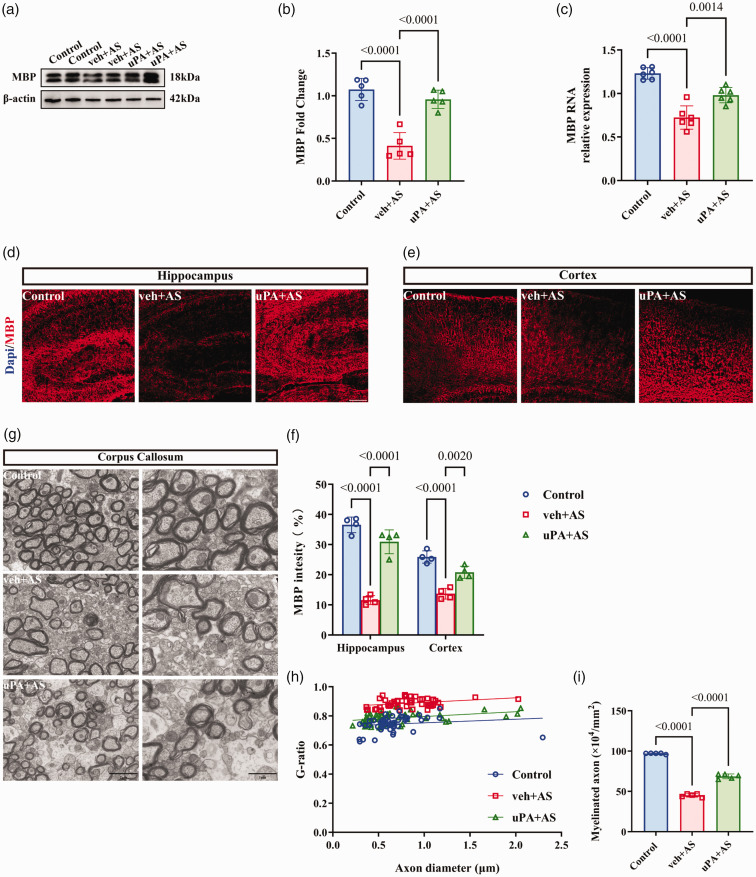
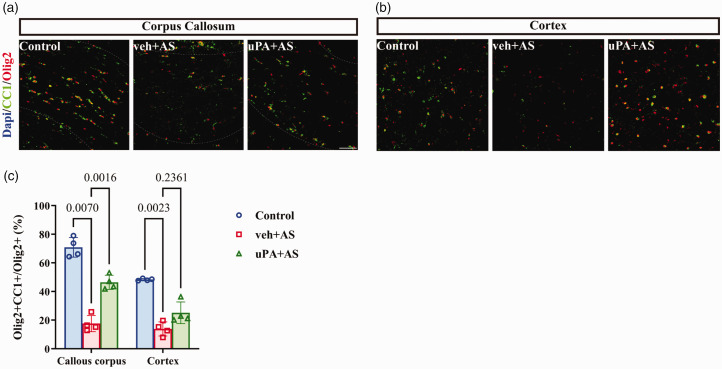
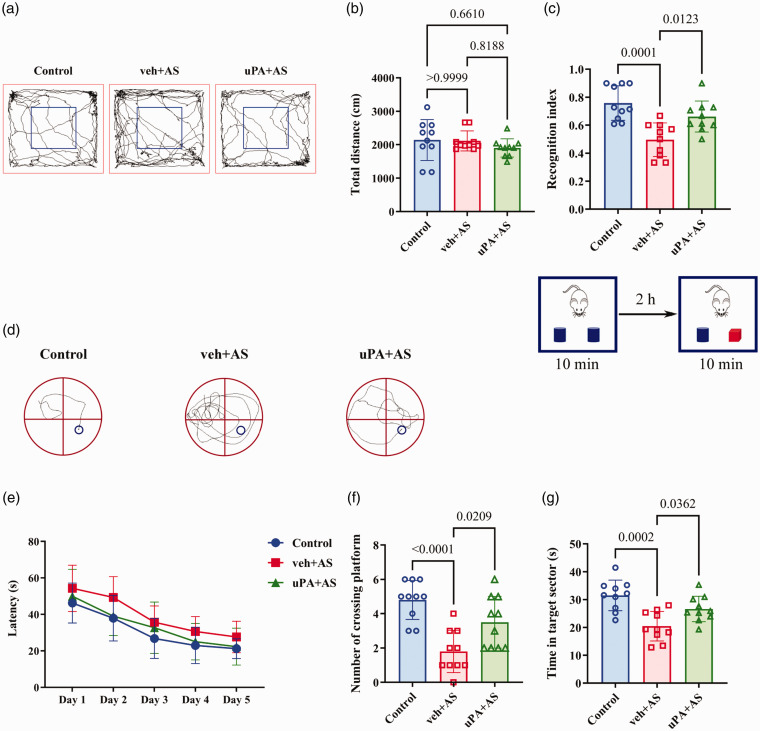
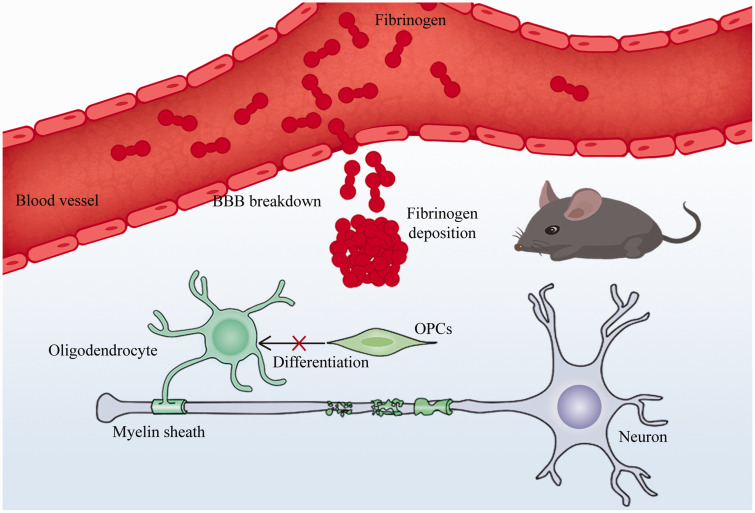
Perioperative neurocognitive disorder (PND) is a common complication of anesthesia and surgery, which is more prevalent in elderly patients. Fibrinogen is known to contribute to the pathophysiology of neurodegenerative disorders. This study investigated whether fibrinogen induces myelin deficit and cognitive impairment in aged mice after anesthesia and surgery. Here, abdominal surgery was performed on 17-month-old C57BL/6 mice to establish a PND model. Following anesthesia and surgery, cognitive function and exploratory locomotion of mice were assessed using behavioral tests. We used in vivo two-photon brain microscopy to track the perivascular accumulation of blood-derived fibrinogen in the central nervous system (CNS). Immunostaining, electron microscopy (EM), and western blotting were used to measure myelin sheath density and oligodendrocyte alterations, and inflammatory markers were determined by reverse transcription-quantitative polymerase chain reaction (RT-qPCR). In the current study, we found that fibrinogen deposited in the CNS after blood-brain barrier (BBB) disruption, induces oligodendrocyte loss, myelin deficits and causes behavioral abnormalities in PND model. Fibrinogen depletion could reverse myelin deficits and cognitive function which induced by anesthesia and surgery. In summary, our data support that fibrinogen is a key determinant in the early pathogenesis of PND.
Keywords: Perioperative neurocognitive disorder; blood-brain barrier; fibrinogen; myelination; oligodendrocyte.
Conflict of interest statement
The author(s) declared no potential conflicts of interest with respect to the research, authorship, and/or publication of this article.
Figures
References
-
- Luo ALin, Yan J, Tang XLe, et al. Postoperative cognitive dysfunction in the aged: the collision of neuroinflammaging with perioperative neuroinflammation. Inflammopharmacology 2019; 27: 27–37. - PubMed
-
- Punjasawadwong Y, Chau-In W, Laopaiboon M, et al. Processed electroencephalogram and evoked potential techniques for amelioration of postoperative delirium and cognitive dysfunction following non-cardiac and non-neurosurgical procedures in adults. Cochrane Database Syst Rev 2018; 5: Cd011283. - PMC - PubMed
LinkOut - more resources
Full Text Sources
