


Plantar Ulcerative Lichen Planus as a Therapeutic Challenge: A Review of Literature
- PMID: 40772218
- PMCID: PMC12327916
- DOI: 10.7759/cureus.87444
Plantar Ulcerative Lichen Planus as a Therapeutic Challenge: A Review of Literature
Abstract
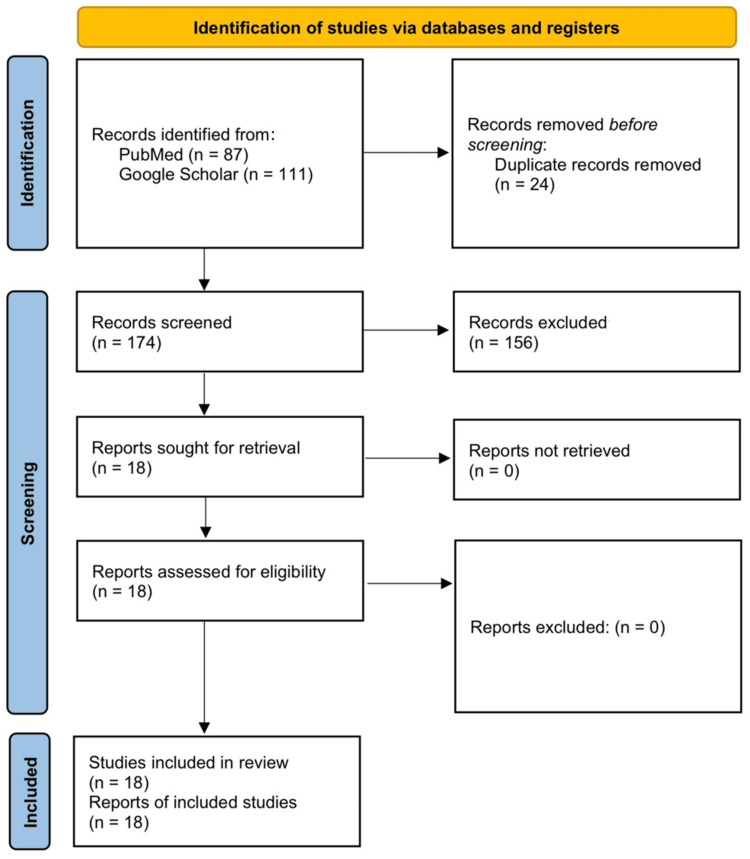
Plantar ulcerative lichen planus (PULP) is a rare variant of lichen planus (LP), with fewer than 20 cases reported in the literature. It presents as chronic, painful ulcers on the soles, often without other classic LP manifestations. The condition remains poorly understood, with unclear pathogenesis and no standardized treatment. Diagnosis relies on histopathological confirmation. This review aims to summarize the clinical features, comorbidities, diagnostic approaches, and therapeutic outcomes of PULP based on available literature. A literature search was conducted on PubMed and Google Scholar up to December 2024. Relevant articles reporting cases of PULP with available clinical and treatment data were included. A total of 18 cases were identified. The condition showed a strong female predominance, with a mean age of 63.7 years. Some patients had mucocutaneous involvement, while others presented with isolated plantar disease. Painful ulcerations affecting ambulation were the main clinical feature. Common comorbidities included autoimmune and metabolic disorders. Diagnosis was confirmed by histopathological features consistent with LP. Reported treatments included topical and systemic corticosteroids, calcineurin inhibitors, retinoids, cyclosporine, dapsone, phototherapy, biologics, surgical interventions, and Janus kinase (JAK) inhibitors such as tofacitinib, with variable outcomes. PULP is a rare, chronic, and treatment-resistant condition that leads to significant morbidity. Histopathology remains essential for diagnosis, but therapeutic response is inconsistent and lacks standardization. Further studies are needed to better characterize the condition and establish evidence-based treatment guidelines.
Keywords: chronic ulcer; erosive lichen planus; lichen planus; review article; ulcerative lichen planus.
Copyright © 2025, AlSulami et al.
Conflict of interest statement
Conflicts of interest: In compliance with the ICMJE uniform disclosure form, all authors declare the following: Payment/services info: All authors have declared that no financial support was received from any organization for the submitted work. Financial relationships: All authors have declared that they have no financial relationships at present or within the previous three years with any organizations that might have an interest in the submitted work. Other relationships: All authors have declared that there are no other relationships or activities that could appear to have influenced the submitted work.
Figures
References
-
- Mateeva V, Vassileva S. Advances in Integrative Dermatology. Hoboken, NJ: Wiley; 2019. Lichen planus and lichenoid disorders.
-
- A case of erosive lichen planus with plantar involvement. Kılıç FA, Baysak S, Eşim AG, Lebe B. Turkderm-Turk Arch Dermatol Venereol. 2017;51:129–132.
-
- Ulcerative lichen planus of the sole: excellent response to topical tacrolimus. Al-Khenaizan S, Al Mubarak L. Int J Dermatol. 2008;47:626–628. - PubMed
Publication types
LinkOut - more resources
Full Text Sources