Protective Effect of N-Acetylcysteine (NAC) on oxLDL-Induced Endothelial Dysfunction
- PMID: 40774821
- PMCID: PMC12351112
- DOI: 10.4014/jmb.2504.04039
Protective Effect of N-Acetylcysteine (NAC) on oxLDL-Induced Endothelial Dysfunction
Abstract
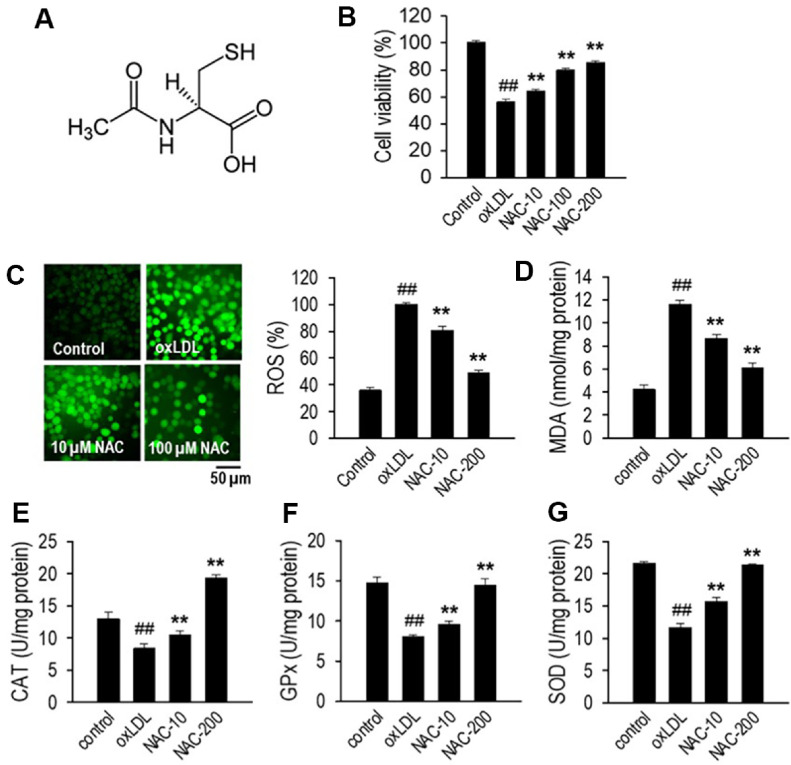
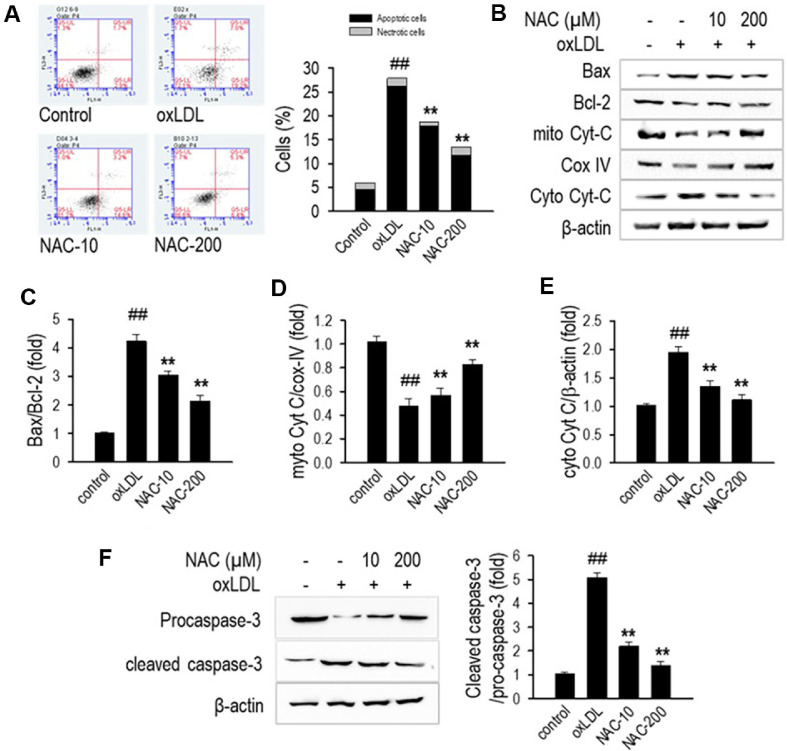
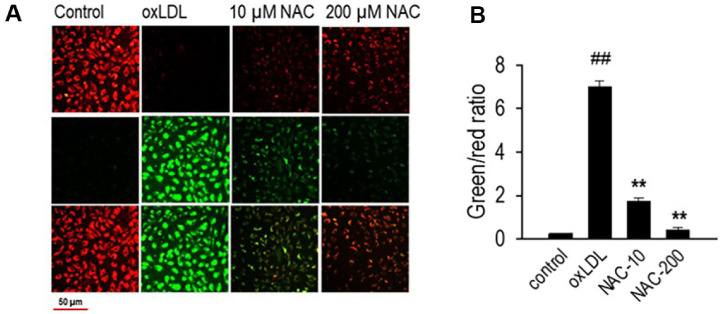
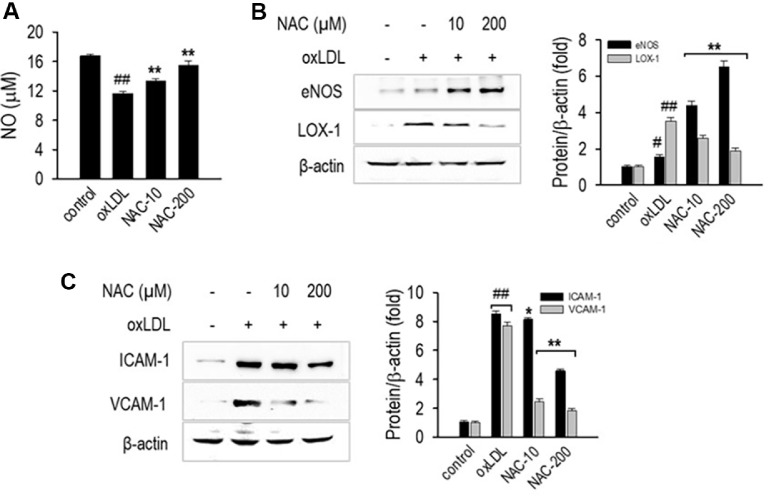
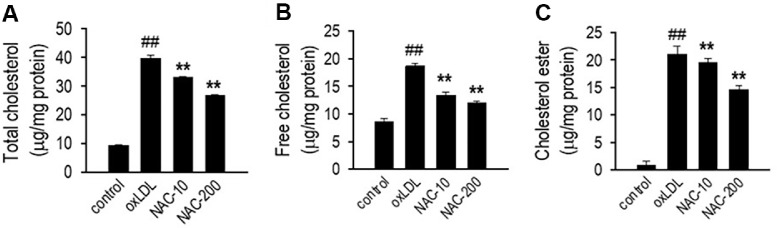
N-acetylcysteine (NAC), a well-known antioxidant and glutathione precursor, has been extensively studied for its free radical-scavenging properties, anti-inflammatory effects, and ability to enhance cellular redox balance. NAC has also been shown to mitigate oxidative damage in various disease models, yet its role in endothelial dysfunction remains underexplored. In this study, we evaluated the ability of NAC to counteract oxLDL-induced endothelial dysfunction in human umbilical vein endothelial cells (HUVECs). NAC treatment significantly reduced ROS levels, lipid peroxidation, and apoptotic markers while restoring mitochondrial membrane potential (MMP) and NO bioavailability. Additionally, NAC regulated the expression of eNOS, LOX-1, ICAM-1, and VCAM-1, demonstrating its role in reducing endothelial inflammation and improving vascular homeostasis. Furthermore, NAC prevented excessive cholesterol accumulation, suggesting its potential to regulate lipid metabolism in endothelial cells. These findings highlight the therapeutic potential of NAC in protecting against oxLDL-induced endothelial dysfunction and preventing vascular complications associated with cardiovascular diseases.
Keywords: Endothelial dysfunction; N-acetylcysteine; cardiovascular diseases; oxLDL; oxidative stress.
Conflict of interest statement
The authors have no financial conflicts of interest to declare.
Figures
References
MeSH terms
Substances
LinkOut - more resources
Full Text Sources
Miscellaneous