


Urban-rural differences in caregivers' willingness to support adolescent girls' contraceptive use in Ghana: a comparative study
- PMID: 40775672
- PMCID: PMC12333086
- DOI: 10.1186/s40834-025-00370-7
Urban-rural differences in caregivers' willingness to support adolescent girls' contraceptive use in Ghana: a comparative study
Abstract
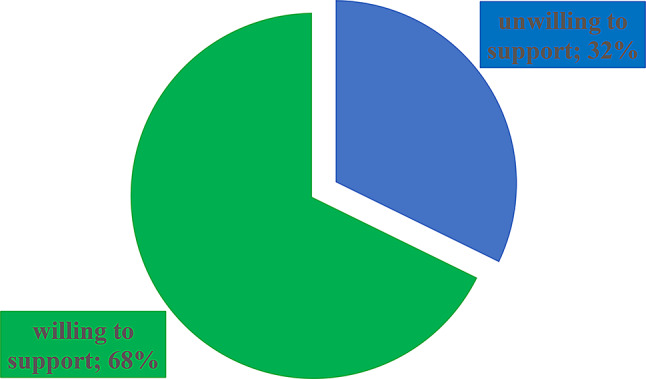
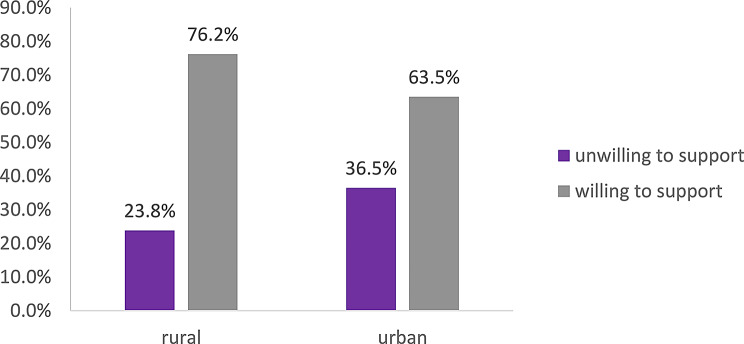
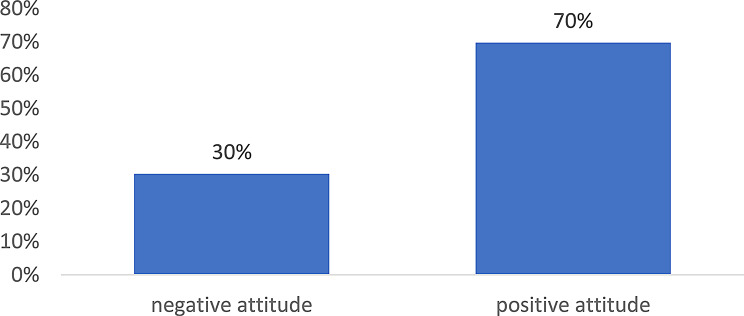
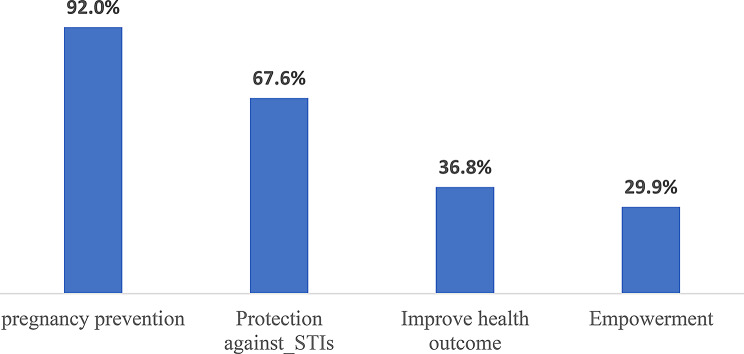
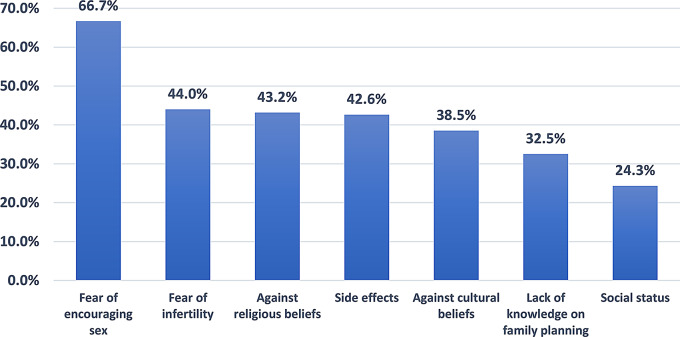
Adolescent pregnancy remains a critical public health challenge in Ghana, accounting for a significant proportion of unintended pregnancies, unsafe abortions, and adverse health outcomes. This study explored urban-rural differences in caregivers' willingness to support adolescent girls' contraceptive use, focusing on Awutu Senya East (urban) and Jaman North (rural) districts. A cross-sectional comparative design was employed, involving 366 caregivers. Data were collected using structured surveys and analyzed through descriptive, comparative, and modified Poisson regression techniques. Findings revealed that 68% of caregivers expressed willingness to support adolescent contraceptive use, with higher support in rural areas (76.2%) than in urban areas (63.5%). Key factors influencing caregiver willingness included gender, residential setting, and income level. Female caregivers and those in rural settings demonstrated greater support, while cultural beliefs significantly shaped attitudes toward contraceptive use. Caregivers cited pregnancy prevention, STI reduction, and health improvement as primary motivations for support, while concerns about promiscuity, infertility, and cultural or religious objections were common barriers. The study highlights the importance of addressing socio-cultural misconceptions, enhancing caregiver knowledge, and fostering supportive attitudes through targeted interventions. This study recommends community-based education, affordable contraception policies, and integrated family planning initiatives to enhance caregiver support and improve adolescent reproductive health outcomes.
Keywords: Adolescent contraceptive use; Caregiver willingness; Ghana; Reproductive health; Urban-rural differences.
© 2025. The Author(s).
Conflict of interest statement
Declarations. Ethical considerations: The study was ethically approved by the Kwame Nkrumah University of Science and Technology (KNUST) Committee on Human Research and Publication Ethics (CHRPE) Ethical Review Committee under reference number CHRPE/AP/967/24. Written informed consent was obtained from all participants after explaining the purpose of the study, ensuring confidentiality, and emphasizing that participation was voluntary. To maintain confidentiality, all data were anonymized, and participants were assured that their responses would remain confidential. Competing interests: The authors declare no competing interests.
Figures
References
-
- Sully A, Biddlecom, Darroch E, Riley T, Ashford S, Lince-Deroche N et al. Adding It Up: Investing in Sexual and Reproductive Health 2019. 2020.
-
- Xu Y, Yang G. Analysis on the factors related to the accidental pregnancy in 98 teenage girls. J Clin Nurs Res. 2021.
-
- Amare T, Tessema F, Shaweno T. Trend of Unintended Pregnancy, Induced Abortion and Associated Factors among Adolescents in Ethiopia: Evidence from the 2000, 2005, 2011 and 2016 EDHS Data. 2022.
-
- UNICEF. UNICEF. [Online]. 2024 [cited 2024 August 21. Available from: https://data.unicef.org/topic/child-health/adolescent-health/
LinkOut - more resources
Full Text Sources
