


Evaluating Community Violence Intervention Programs: A Scoping Review Synthesizing Methods and Measures
- PMID: 40776794
- PMCID: PMC12334825
- DOI: 10.1177/00469580251361742
Evaluating Community Violence Intervention Programs: A Scoping Review Synthesizing Methods and Measures
Abstract
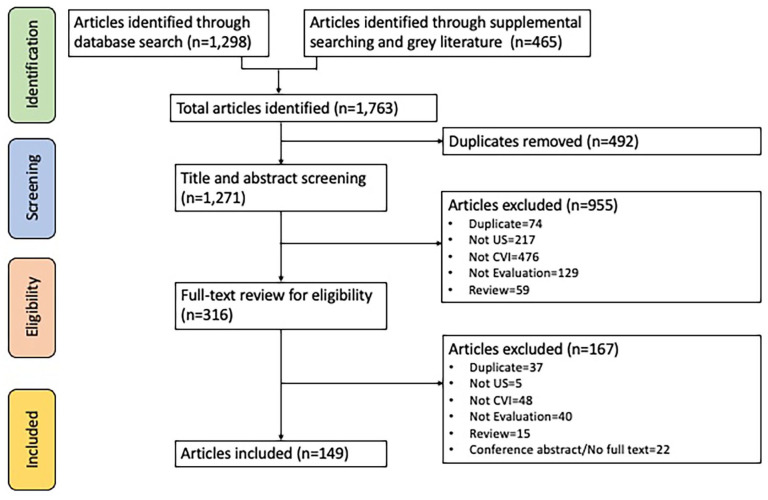
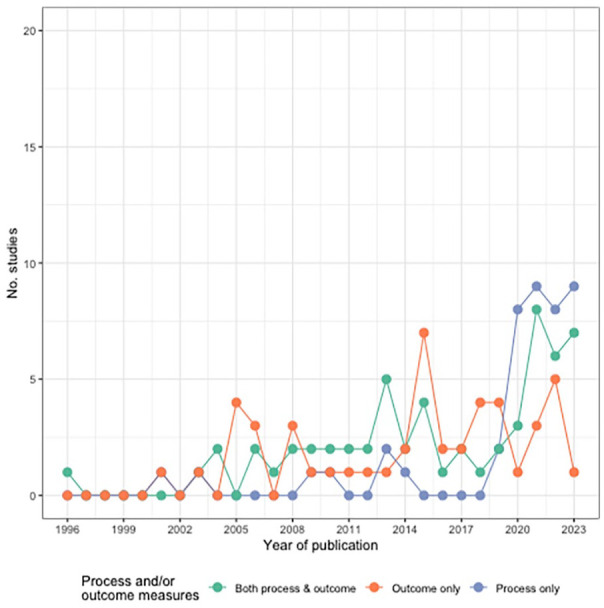
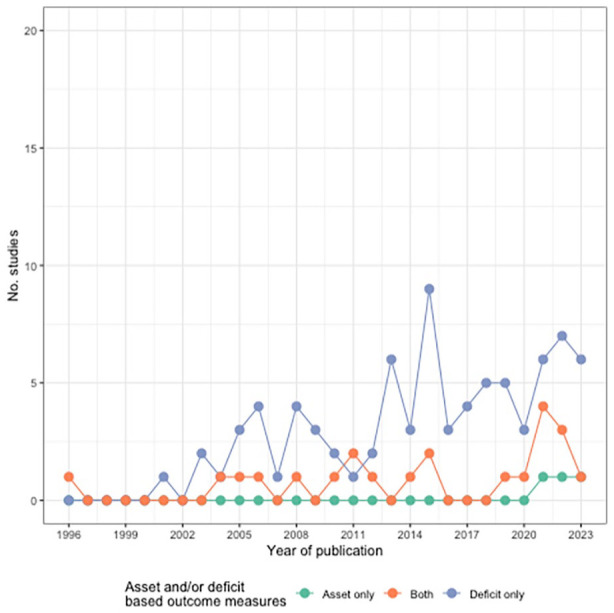
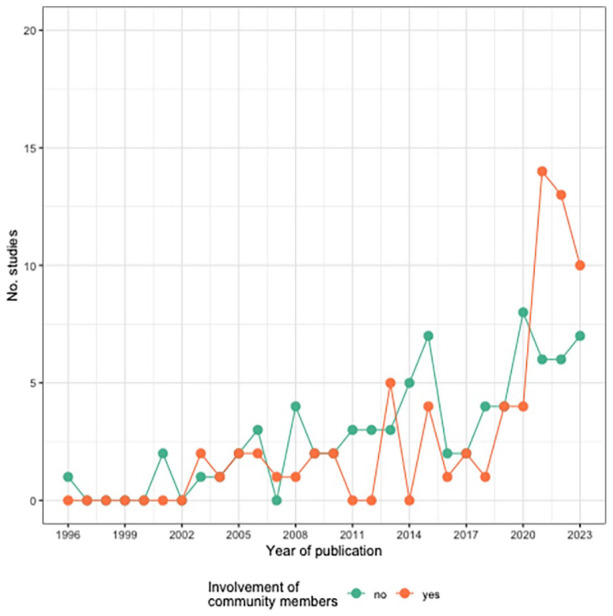
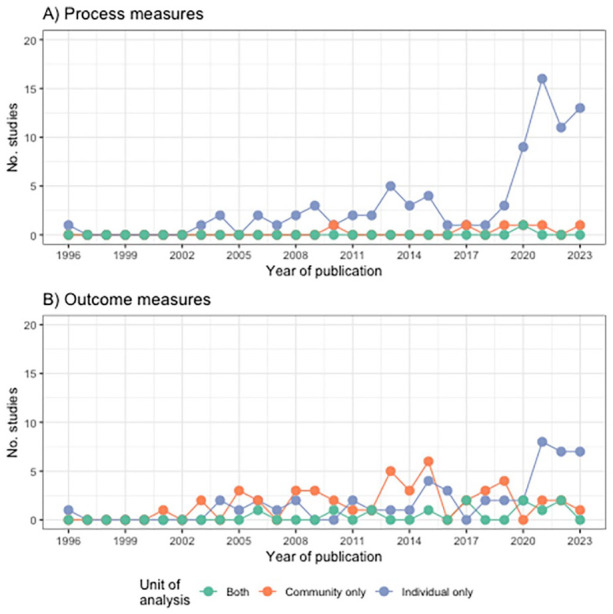
Community violence intervention (CVI) is a promising strategy to reduce community violence, but research on CVI programs remains underdeveloped. While prior reviews have examined the effectiveness of certain CVI models, we lack a comprehensive synthesis of how CVI research is done and what measures are used. We conducted a scoping review of CVI evaluation measures and methods in the United States, reviewing both peer-reviewed and gray literature from 1996 through 2023. We summarized characteristics of CVI program evaluations, including evaluation measures used, units of analysis, and involvement of external partners-including community members-in the evaluation. Of 1763 articles screened, 149 were included. A plurality of studies examined both outcome and process measures (38.9%), and use of process measures increased over time. Most outcome evaluations used only deficit-based measures (76.4%), with variation across CVI model/approach. Authors of studies included in this review reported that CVI practitioners contributed to evaluations in various ways, but only 10.7% of evaluations included CVI practitioners as authors. Process measures were most often collected at the individual level (84.2%), while outcome measures were collected relatively equally at the individual (56.6%) and community level (53.8%) though with notable variation across CVI models/approaches. Community partners working in CVI were part of our authorship team and offered critical insights into interpreting the findings from this scoping review. Findings underscore the need for a more comprehensive approach to CVI evaluation. By including process and outcome measures, including community-level units of analysis in addition to the typical individual-level ones, employing asset-based frameworks, and actively involving community voices, future research can more effectively assess the implementation and impacts of CVI programs.
Keywords: community violence; community violence intervention; community-based participatory research; firearms; scoping review.
Conflict of interest statement
Declaration of Conflicting InterestsThe author(s) declared no potential conflicts of interest with respect to the research, authorship, and/or publication of this article.
Figures
References
-
- Centers for Disease Control and Prevention. WISQARS Fatal and Nonfatal Injury Reports. 2023. Accessed July 8, 2024. https://wisqars.cdc.gov/reports/
-
- The National Child Traumatic Stress Network. Community Violence. December 8, 2017. Accessed August 28, 2024. https://www.nctsn.org/what-is-child-trauma/trauma-types/community-violence
-
- Sharkey P. The Long Reach of violence: A broader perspective on data, theory, and evidence on the prevalence and consequences of exposure to violence. Annu Rev Criminol. 2018;1(1):85-102. doi: 10.1146/annurev-criminol-032317-092316 - DOI
-
- Galtung J. Violence, peace, and peace research. J Peace Res. 1969;6(3):167-191.
Publication types
MeSH terms
LinkOut - more resources
Full Text Sources
