Cardiovascular Aging
- PMID: 40776937
- PMCID: PMC12326460
- DOI: 10.31083/RCM27437
Cardiovascular Aging
Abstract
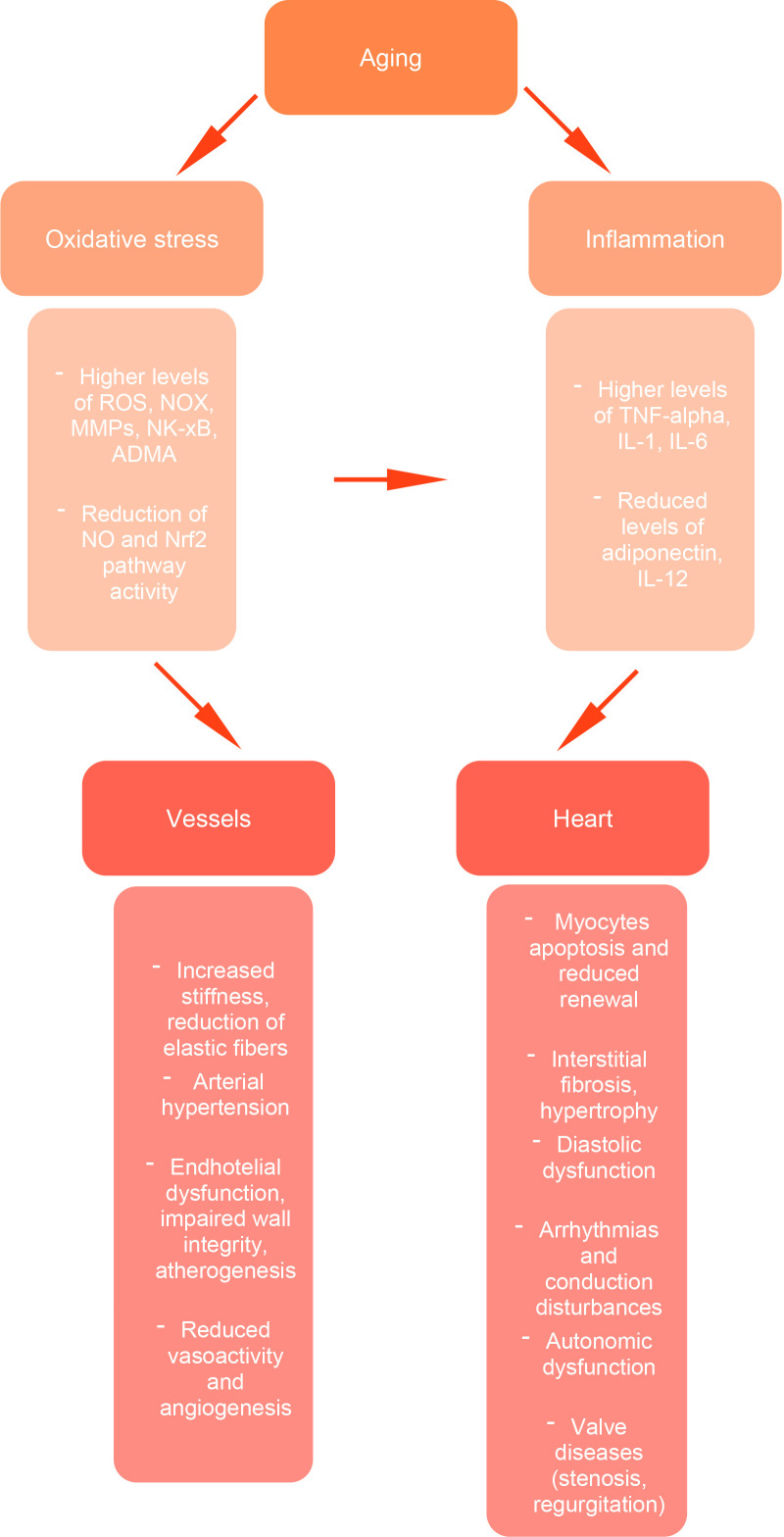
Aging is a slow, progressive, and inevitable process that affects multiple organs and tissues, including the cardiovascular system. The most frequent cardiac and vascular alterations that are observed in older adults (especially patients aged ≥80 years) are diastolic and systolic dysfunction, progressive stiffening of the vascular wall and endothelial impairment usually driven by an excess of extracellular matrix (ECM) and profibrotic substances, reduced levels of matrix metalloproteinases (MMPs), or by amyloid and calcium deposits in myocardium and valves (especially in aortic valves). Moreover, deformation of the heart structure and shape, or increased adipose tissue and muscle atrophy, or altered ion homeostasis, chronotropic disability, reduced heart rate, and impaired atrial sinus node (SN) activity are other common findings. Interestingly, aging is often associated with oxidative stress, alterations in the mitochondrial structure and function, and a low-grade proinflammatory state, characterized by high concentrations of cytokines and inflammatory cells, without evidence of infectious pathogens, in a condition known as 'inflammaging'. Aging is a well-recognized independent risk factor for cardiovascular disease and easily leads to high mortality, morbidity, and reduced quality of life. Recently, several efforts have been made to mitigate and delay these alterations, aiming to maintain overall health and longevity. The primary purpose of this review was to provide an accurate description of the underlying mechanisms while also exploring new therapeutic proposals for oxidative stress and inflammaging. Moreover, combining serum biomarkers with appropriate imaging tests can be an effective strategy to stratify and direct the most suitable treatment.
Keywords: cardiac amyloidosis; cardiovascular aging; ejection fraction; heart failure; oxidative stress.
Copyright: © 2025 The Author(s). Published by IMR Press.
Conflict of interest statement
The authors declare no conflict of interest.
Figures
References
Publication types
LinkOut - more resources
Full Text Sources